CBG keeps showing up on labels and menus, usually with a lot of promises attached. So it's a fair question to ask before you spend money on it: is CBG worth the hype? The honest answer is that CBG is genuinely interesting — and most of what we know about it is still early. Both of those can be true at the same time.
Cannabigerol (CBG) is non-intoxicating — it won't get you "high" in the way THC does. The research so far has focused most on its anti-inflammatory and gut-related effects, but the strongest evidence comes from cell and animal studies, not human trials. The appeal people describe is "function without impairment": the idea of taking something during the day that doesn't cloud your head. Just keep in mind that most of the evidence is still preliminary.
If you skim and leave, leave with that. But if you want to understand why CBG gets called the "mother cannabinoid," why non-intoxicating doesn't mean "no effects," and what the studies have actually measured, the rest of this is for you.
One caveat up front: CBG human trials are scarce. Far less research exists on CBG than on THC or even CBD. Almost everything below comes from laboratory and preclinical (animal) work. That doesn't make it meaningless — preclinical research is where every promising compound starts — but it does mean you shouldn't read anything here as a proven outcome in people.
What CBG is — the "mother cannabinoid"
CBG earns its nickname honestly. Inside the cannabis plant, most of the cannabinoids you've heard of don't start out as themselves. They start as cannabigerolic acid (CBGA) — the chemical parent from which THC, CBD, and other cannabinoids are synthesized as the plant matures. CBG is the decarboxylated (heated, activated) form of that precursor.
Because so much CBGA gets converted into other cannabinoids as the plant grows, mature plants usually contain only small amounts of CBG — which is part of why it's been studied less and historically cost more to produce. According to PubMed, a review titled "The Origin and Biomedical Relevance of Cannabigerol" in the International Journal of Molecular Sciences describes CBG as the product of CBGA decarboxylation and the biosynthetic precursor to the major phytocannabinoids — the molecular reason for the "mother cannabinoid" label.
Why CBG is non-intoxicating
This is the part people most want clarified, and it's worth being precise. THC produces its "high" largely by binding strongly and directly to the CB1 receptors concentrated in the brain. CBG interacts with the endocannabinoid system very differently. According to PubMed, the pharmacology review "The Pharmacological Case for Cannabigerol" in the Journal of Pharmacology and Experimental Therapeutics describes CBG as having affinity and activity that sit between THC and CBD at the cannabinoid receptors, while also engaging targets outside the classic CB1/CB2 system — including alpha-2 adrenoceptors and serotonin (5-HT) receptors.
The practical upshot: because CBG doesn't activate CB1 the way THC does, it isn't expected to produce intoxication. But here's the nuance that gets lost in marketing — "non-intoxicating" is not the same as "no effects." A molecule that touches adrenoceptors and serotonin receptors is biologically active. It simply acts through different doors than the one that makes you feel high. Keep that distinction; it's the whole point of the "function without impairment" idea.
What the research so far actually shows
CBG has a real and growing preclinical literature, and almost no human-trial literature. Here are the three areas that get the most attention.
Anti-inflammatory effects. This is the most-cited benefit, and the lab data are reasonably consistent. According to PubMed, a systematic review of cannabinoids and inflammatory cytokines in Cannabis and Cannabinoid Research found that, across preclinical animal studies, CBG (like CBD) was associated with reductions in pro-inflammatory cytokines such as TNF-alpha and certain interleukins — and the authors specifically flagged CBG as a candidate worth moving toward human clinical trials. That's the key limit to hold onto: these are animal and cell findings, not confirmed human results.
Gut and IBD models. The single most-discussed CBG study is a mouse experiment. According to PubMed, researchers reporting in Biochemical Pharmacology found that CBG reduced markers of inflammation in a chemically induced model of colitis in mice and concluded that "CBG could be considered for clinical experimentation in IBD patients." That's a genuinely promising preclinical signal — and it is a signal in mice. It is not evidence that CBG treats inflammatory bowel disease in people. The original authors framed it as a reason to run human studies, not a substitute for them.
Mood and the nervous system. This is the haziest area and the one where the most caution is warranted. Some preclinical work has examined how CBG interacts with neurochemical systems involved in mood and appetite. According to PubMed, a study in Antioxidants found that CBG influenced neuromodulators and neurotransmitter pathways (including serotonin-related signaling) in rat hypothalamic tissue. That helps explain why people report a subjective sense of balance or steadiness — there's a plausible mechanism — but it is laboratory work in animal tissue. It is not evidence that CBG treats any mood condition.
How people use CBG in a daytime routine
So where does the "daytime cannabinoid" framing come from? It follows directly from the pharmacology. Because CBG isn't expected to be intoxicating, people who want some of the qualities they associate with cannabis — without the head-change that makes daytime function harder — gravitate toward it as a daytime option rather than a nighttime one.
In practice, that usually looks like a small, consistent dose taken in the morning or midday as a kind of baseline, the way someone might think about a daily supplement rather than an event. The honest caveat is the same one that governs all of cannabis: individual responses vary widely, and "start low and go slow" applies here too. Subjective reports are not the same as clinical evidence, and what one person finds steadying another may not notice at all.
Full-spectrum versus isolate
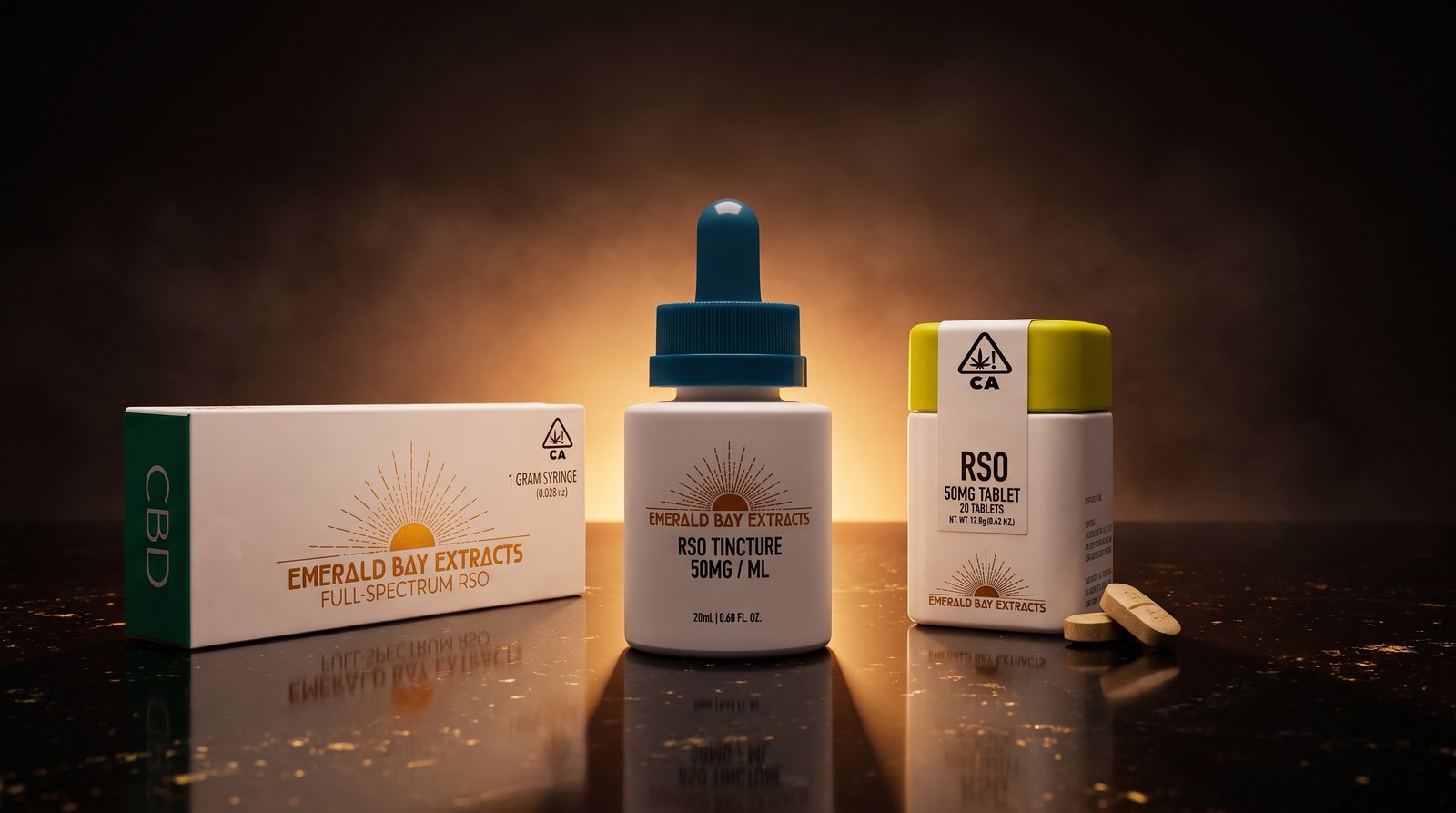
You'll see CBG sold two ways: as an isolate (CBG more or less by itself) and as part of a full-spectrum product that keeps the plant's other cannabinoids and terpenes alongside it. The thinking behind full-spectrum is the so-called entourage effect — the hypothesis that cannabinoids and terpenes may work together, modulating one another's activity, rather than acting in isolation.
It's worth being precise here: the entourage effect is a reasonable and actively studied hypothesis, not a settled fact, and the human data are still thin. What we can say plainly is what full-spectrum is: a product that preserves the plant's natural cannabinoid and terpene profile instead of stripping it down to a single isolated molecule. Whether that combination outperforms an isolate for any given person is exactly the kind of question the research hasn't yet answered cleanly.
This article is educational and doesn't provide medical or dosing advice. Cannabinoid research in CBG is still emerging — most of it is preclinical (cell and animal) rather than human — and individual responses vary widely. CBG is non-intoxicating, but "non-intoxicating" does not mean "no effects," and nothing here describes CBG as a treatment for any disease or mood condition. Cannabis laws differ by location, age restrictions apply (21+), and cannabinoids can interact with other medications. If you're considering cannabis for a medical concern — especially if you are pregnant, nursing, or taking other medications — please discuss it with a healthcare provider who knows your full history.
So — is it worth the hype?
So it's worth asking the question the right way. Instead of "does CBG do all the things the internet says?" — the internet has run far ahead of the evidence — ask "what is CBG, honestly?" And the honest answer is genuinely appealing without any embellishment: a non-intoxicating cannabinoid, the precursor from which the others are built, with a real preclinical literature pointing toward anti-inflammatory and gut-related activity, and a profile that lends itself to daytime use. That's a fair description of something worth being curious about — and the curiosity is more durable than the hype precisely because it doesn't depend on promises the research can't yet keep. CBG doesn't need to be a miracle to be interesting. It just needs to be understood.
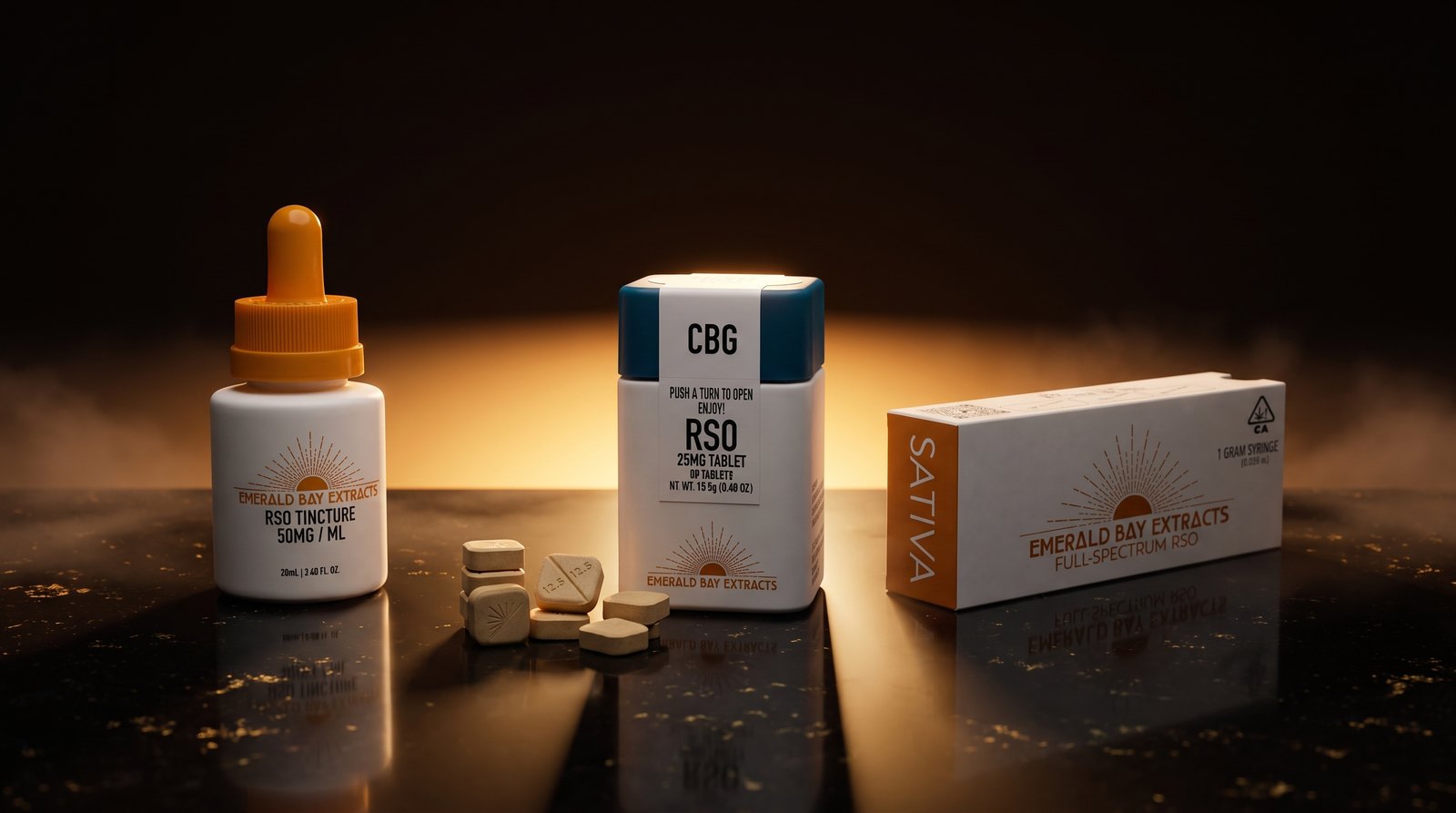
EBE's White CBG is our full-spectrum, strain-specific take on this exact profile — the cannabinoid kept in its natural plant context, for people who want it as a daytime baseline. Explore the collection →
Sources
- Nachnani R, Raup-Konsavage WM, Vrana KE. "The Pharmacological Case for Cannabigerol." J Pharmacol Exp Ther. 2020. PubMed · DOI
- Borrelli F, et al. "Beneficial effect of the non-psychotropic plant cannabinoid cannabigerol on experimental inflammatory bowel disease." Biochem Pharmacol. 2013. PubMed · DOI
- Jastrząb A, Jarocka-Karpowicz I, Skrzydlewska E. "The Origin and Biomedical Relevance of Cannabigerol." Int J Mol Sci. 2022. PMC9322760 · DOI
- Henshaw FR, Dewsbury LS, Lim CK, Steiner GZ. "The Effects of Cannabinoids on Pro- and Anti-Inflammatory Cytokines: A Systematic Review." Cannabis Cannabinoid Res. 2021. PMC8266561 · DOI
- di Giacomo V, et al. "Neuroprotective and Neuromodulatory Effects Induced by Cannabidiol and Cannabigerol in Rat Hypo-E22 cells and Isolated Hypothalamus." Antioxidants. 2020. PMC7022242 · DOI