As cannabis consumers become more conscious of what goes into their cannabis, there’s rising demand for pure, high-quality products. But without federal organic certification for cannabis, it’s hard to be sure they’re getting the purest products possible. This is where OCal comes in, California’s official organic certification for cannabis.
It’s modeled after USDA Organic standards, ensuring cannabis is grown organically without the use of harmful chemicals and/or synthetic pesticides and fertilizers. It’s as close to USDA-Certified Organic that cannabis can get, ensuring the healthiest option for consumers who care about environmentally-friendly products that meet the highest quality standards.
At Emerald Bay Extracts, quality and purity are our top priorities. We believe that clean cannabis leads to better, more effective products—especially for those using cannabis to support specific conditions or overall wellbeing. With OCal certification, we help ensure that the cannabis we source meets the highest standards for quality and sustainability.
Curious why organic cannabis even matters? Keep reading to find out why organic cannabis is so important, what OCal is, how this organic certification program impacts consumers, cannabis, and the environment.
What is OCal?
OCal is California’s official organic certification program for cannabis. Created by the California Department of Food and Agriculture (CDFA), the OCal Program was designed to reflect USDA organic standards, ensuring an organic equivalent of cannabis that adheres to the strict requirements outlined by the National Organic Program (NOP).
Cannabis can’t receive USDA Organic Certification because it’s federally illegal. Unfortunately, this has left cannabis consumers without a national organic standard, leading to a legal cannabis market full of products containing a host of harmful chemicals. A recent article published in the Los Angeles Times pointed to a discovery of “alarming levels of pesticides in cannabis products at dispensaries across the state.” Dozens of pesticides banned in the UK were found in some products, including pre-rolls and vapes from some of the most popular industry brands.
Overseen by the CDFA, OCal Certification ensures licensed cannabis farms and manufacturers adhere to strict standards (outlined in a 105-page document), with the goal of “assuring consumers that products sold, labeled or represented as OCal meet a consistent standard comparable to standards met by products sold, labeled, or represented as organic.”
Following is a simple breakdown of some things cannabis businesses must do to become OCal certified:
- Grow cannabis without synthetic fertilizers, pesticides, or harmful chemicals
- Use sustainable, organic farming methods that protect soil, water, and biodiversity
- Follow strict handling and processing guidelines to prevent contamination
- Go through third-party inspections to verify compliance with OCal standards
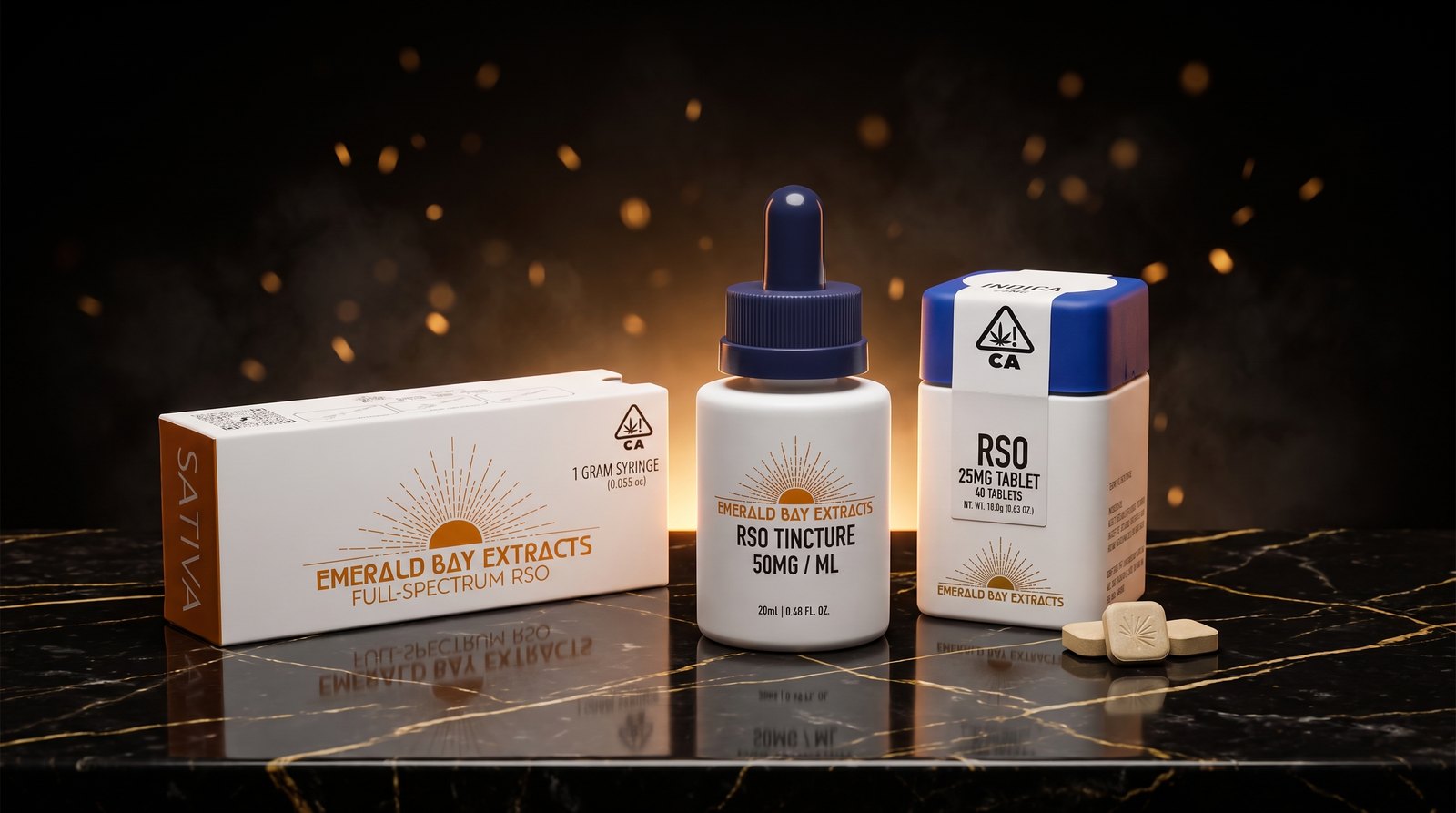
Once they become certified, businesses can display the OCal seal, showing their commitment to providing quality products that meet California’s highest organic cannabis standards. This can be especially beneficial for medical cannabis consumers with health conditions that could be jeopardized by harmful chemicals in cannabis.
Why Organic Cannabis Matters
Valued at $89 billion in 2024, the US organic food market is booming. While clever marketing often makes it hard to tell what’s truly organic, when it comes to cannabis, organic isn’t just a trend—it’s essential for purity, safety, and sustainability.
Cannabis is what’s known as a bioaccumulator, meaning it absorbs everything from the soil it’s grown in, including toxins, pesticides, heavy metals, and other harmful chemicals, in a process known as phytoremediation. While cannabis is an amazing plant for cleaning up contaminated soil (hemp was successfully planted en masse at the Chernobyl Nuclear Disaster Site), there’s nothing good about chemicals used during cannabis cultivation ending up in the final product.
Residues from pesticides, synthetic fertilizers, and chemical solvents simply don’t belong in products that are inhaled, ingested, or used topically. OCal-certified cannabis products ensure plants are cultivated organically without the use of harmful contaminants. Aside from benefiting the wellbeing of both medical and recreational consumers, organically-grown cannabis is hugely advantageous to the environment.
Conventional cannabis cultivation practices can degrade soil quality, pollute water sources, and disrupt precious ecosystems. According to the California State Water Resources Control Board, it can cause “significant environmental damage, including discharges of polluted wastes to surface water and groundwater, erosion and sedimentation of surface water bodies, and illegal diversions of surface water.” The California Department of Fish and Wildlife says that poor planning of cannabis cultivation can lead to “instream sedimentation and pollution, habitat loss and fragmentation, and decreased stream flows.”
Adhering to OCal standards ensures California cannabis businesses are doing what they can to support the environment by incorporating regenerative cultivation practices that help:
- Preserve soil health by avoiding the use of synthetic fertilizers and pesticides
- Reduce water contamination through the elimination of chemical runoff
- Support biodiversity by fostering a balanced, natural ecosystem
- Lower environmental impact by adhering to sustainable growing practices
At Emerald Bay Extracts, we strongly believe in the importance of purity—from seed to syringe. This is why we’ve started sourcing OCal-certified cannabis for our RSO syringes. This way, we can better support the wellbeing of our customers and contribute to the preservation of our beautiful planet.
Emerald Bay Extracts & OCal-Certified RSO
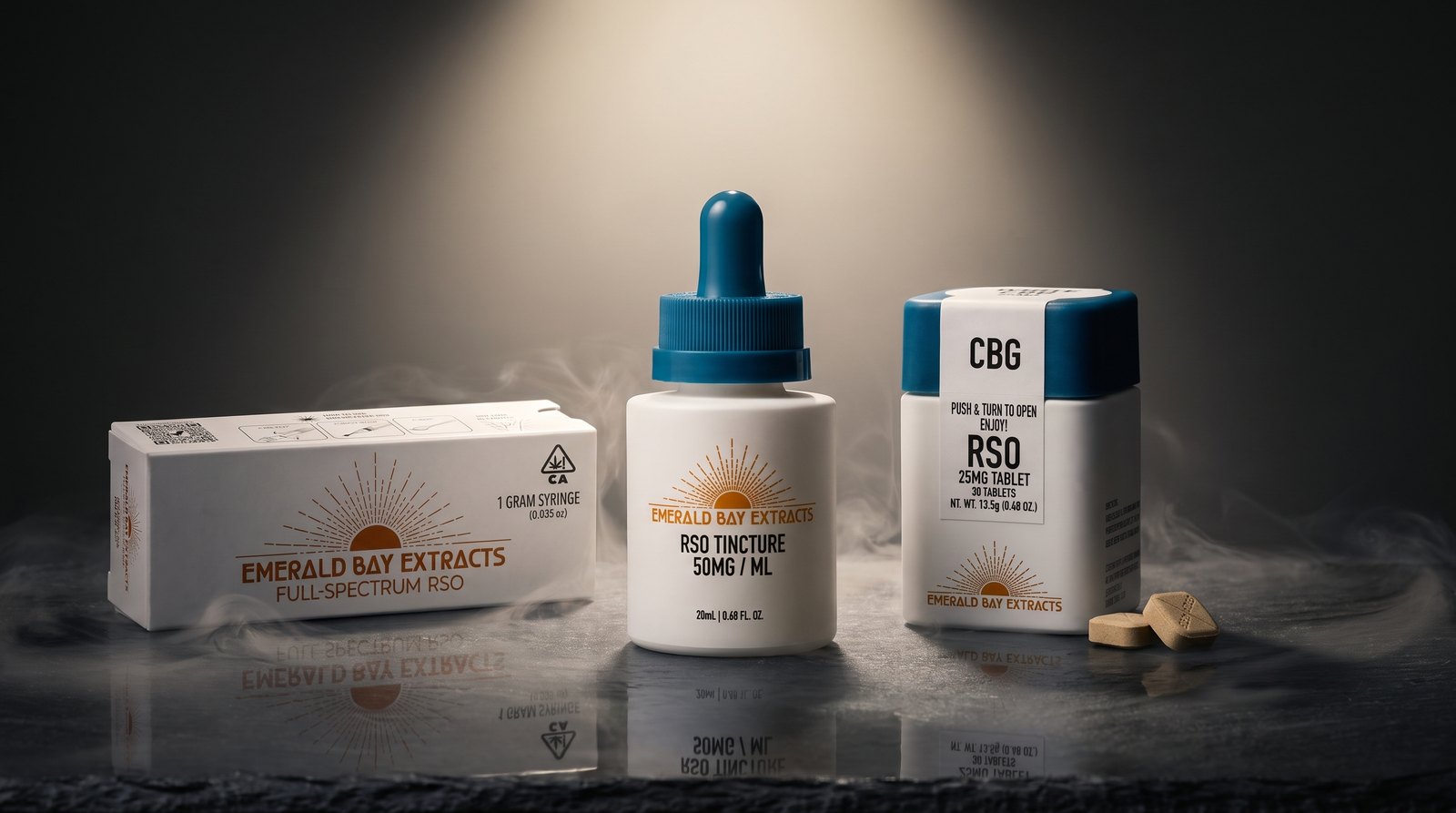
At Emerald Bay Extracts, we’re aware medical cannabis consumers rely on purity, potency, and consistency. The foundation of our business is built upon a commitment to making a positive impact on the lives of those facing health challenges.
As part of our mission to ensure patients have access to the cleanest, most effective full-spectrum cannabis extracts available, we’re proud to offer OCal-certified RSO.
OCal certification on these products guarantees they’re created from organically grown cannabis and free from synthetic pesticides, fertilizers, and harmful chemicals. For patients using RSO for anxiety, chronic pain management, cancer support, or other health concerns, OCal-certified products offer peace of mind—knowing their medicine is pure, potent, and free of contaminants that could potentially compromise wellness and recovery.
With no residual pesticides or synthetic additives, our OCal-certified RSO offers enhanced therapeutic potential in its cleanest form. Whether you’re seeking acute relief or long-term support, our OCal products ensure you’re consuming some of the purest, safest cannabis products on the market.
OCal Cannabis FAQs
How is OCal different from USDA Organic?
The only difference between OCal and USDA Organic is that cannabis is illegal under federal law, meaning it can’t be USDA-certified organic. OCal certification, however, adheres to the same strict organic standards outlined by the USDA.
Is all organic cannabis OCal-certified?
No, all organic cannabis is not OCal-certified. A farm or brand must go through the OCal certification process to receive OCal certification.
Does OCal certification affect product potency?
Not at all! But it does guarantee a cleaner, safer product with unmatched purity that’s safer for consumers and the environment.
Can non-flower products (RSO, tinctures, edibles,etc.) be OCal-certified?
Absolutely! The only stipulation is that all ingredients meet organic standards and the product is manufactured in an OCal-compliant facility..
Why is OCal certification important for RSO?
OCal certification is especially important for RSO because it ensures purity and safety. Keep in mind that RSO is a highly concentrated extract, meaning any toxins, pesticides, or harmful chemicals present in the plant could become more concentrated in the final product.