Cannabis has been long reported to help manage symptoms of PTSD. Recent research sheds light on how cannabis could benefit those who suffer from PTSD, helping manage things like anxiety, sleep problems, nightmares, and more, offering hope for those seeking natural treatments where traditional treatments fall short. As researchers continue to study the effects of cannabis on PTSD, several are discovering how it may play a significant role in improving the quality of life for those who suffer from post-traumatic stress.
RSO for PTSD: Exploring Recent Cannabis Research
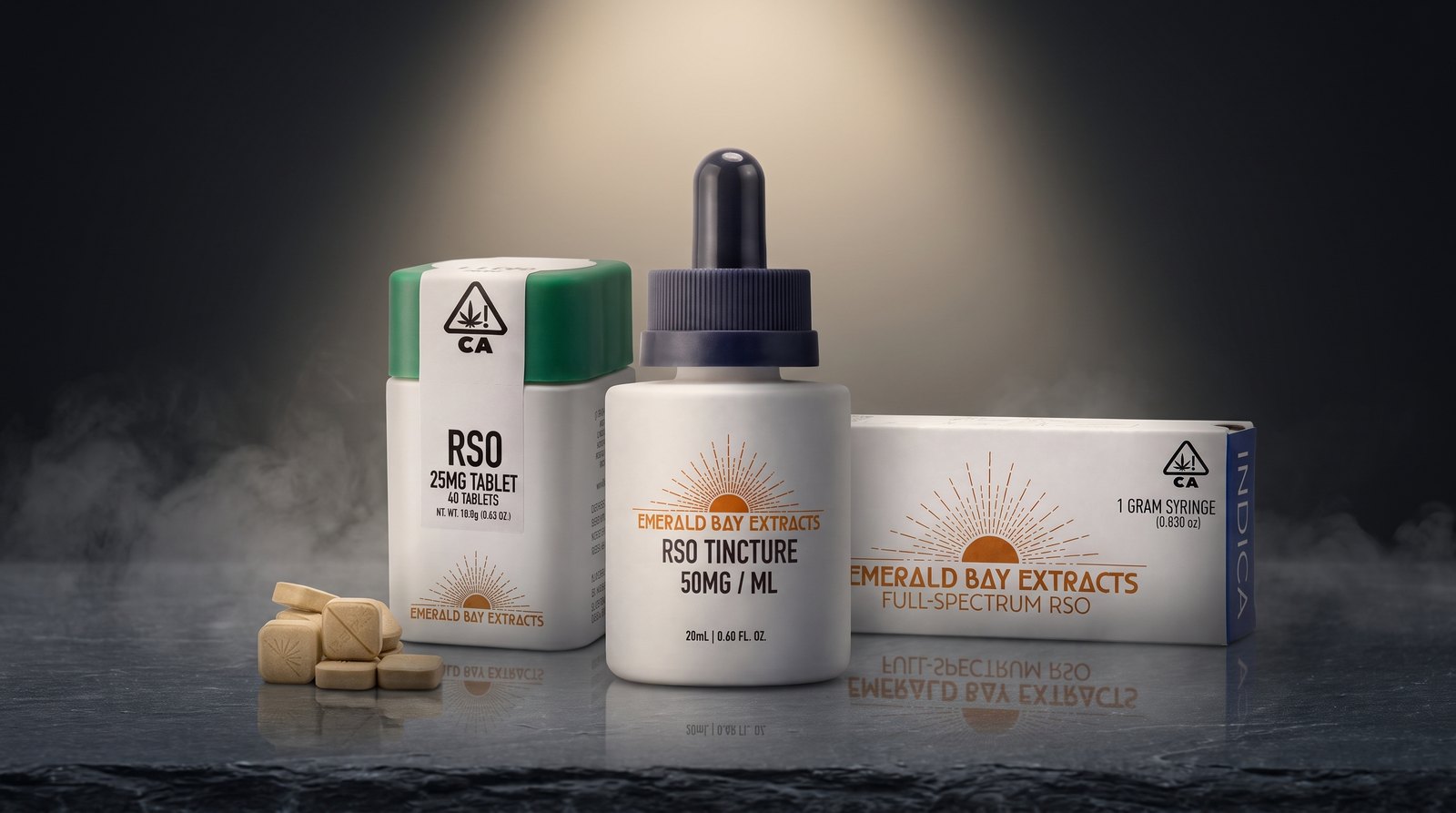
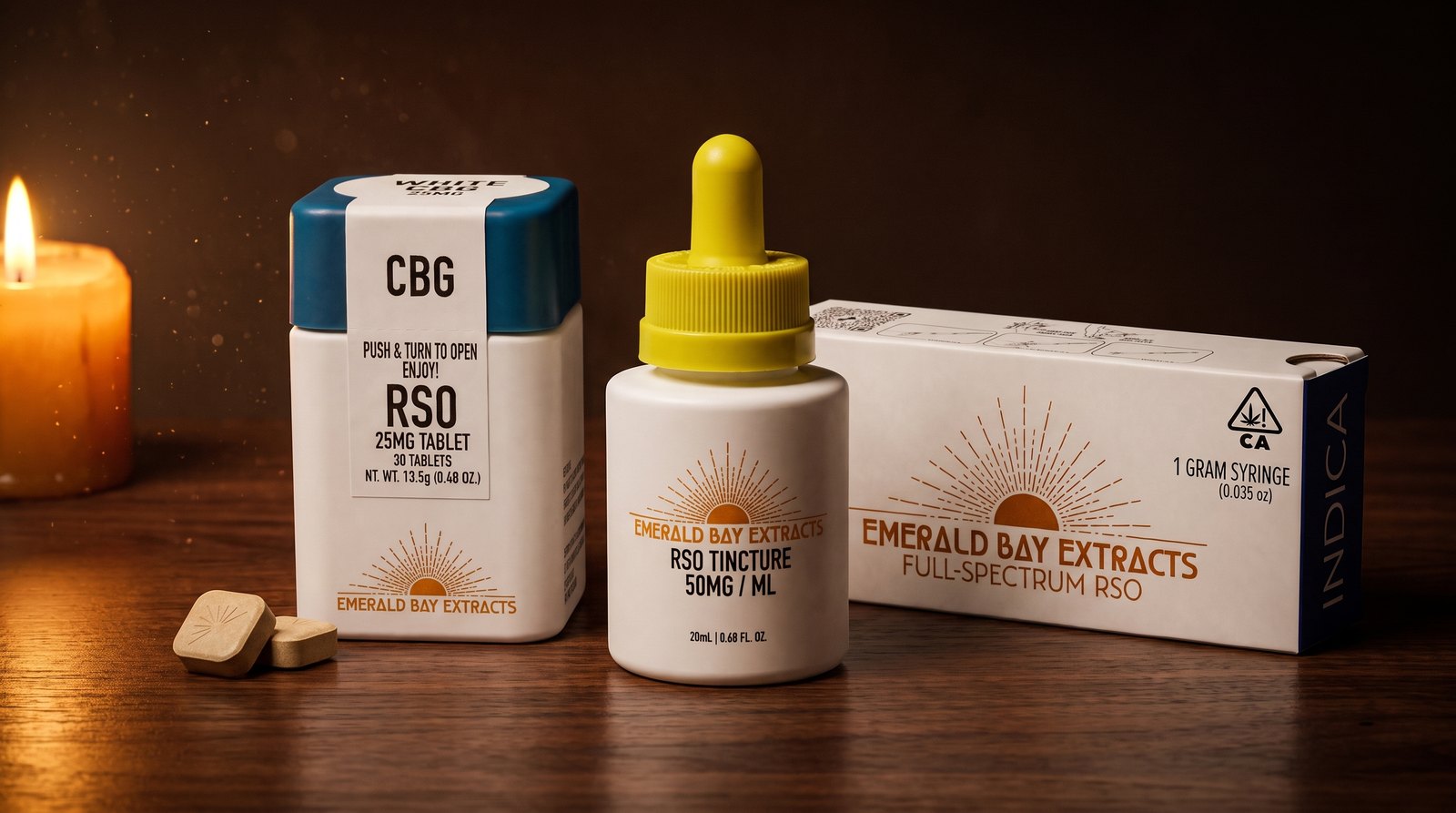
RSO in particular is gaining attention as a potential treatment for PTSD. The potent cannabis extract contains high concentrations of cannabinoids, terpenes, and other beneficial plant compounds, which could offer more significant relief from PTSD compared to other cannabis products. Those who already use cannabis for PTSD might find RSO particularly effective in managing their symptoms. Individuals new to cannabis interested in its potential to support PTSD symptoms may discover that just a small dose of RSO is all that’s needed for effective relief.
The Potential Benefits of Cannabis for PTSD
There’s a large body of scientific research and anecdotal evidence that supports the use of cannabis for PTSD. Currently, 29 medical marijuana states list PTSD as a qualifying condition for medical cannabis. While research studies on using cannabis for PTSD contain somewhat conflicting results, recent research reveals insight into possible reasons why so many people who suffer from PTSD report cannabis helps them manage their (often overwhelming) symptoms, which can included: - Panic attacks - Anxiety - Depression - Self-disruptive behavior - Self-harm - Flashbacks - Nightmares - Isolation from others - Suicidal ideation A 2023 study, for example, found that PTSD symptoms improved after initiating treatment with medical marijuana. Participants of the study were assessed at the start of treatment, then 30 and 70 days later. Researchers noted significant improvements in PTSD symptoms, including improved sleep and mental health outcomes. Patients also reported fewer nightmares when using cannabis, however, significant improvements in nightmares were only observed at day 70. A 2022 study found that not only did PTSD sufferers who used cannabis experience greater reductions in their symptoms compared to those who didn’t, but they also were 2.5 times more likely to recover from PTSD during the study. According to study authors, “Participants who used cannabis were 2.57 times more likely to no longer meet DSM-5 criteria for PTSD at the end of the study observation period compared to participants who did not use cannabis.” Clinical research that’s discovered cannabis could benefit PTSD is backed by countless anecdotal reports from veterans and others who choose to manage their symptoms with cannabis. Take one veteran with PTSD, for example, who claims “cannabis helps me fight for myself in ways other treatments fail to.”
Recent Research Reveals Why Cannabis is Effective for PTSD
The way cannabis works is largely associated with the way PTSD affects certain parts of the brain and how cannabis use directly affects these brain regions in a positive way. Following are a few studies that highlight how cannabis works to support individuals with PTSD.
Study Shows Cannabis Supports Amygdala Function
In a 2020 study, researchers from Wayne State University in Detroit, MI explored the influence of cannabis on the amygdala, a part of the brain that plays a key role in emotional processing and how we respond to fear. In people with PTSD, amygdala function is more active, which can cause feelings of fear, panic, anxiety, and more. This can happen even whether someone with PTSD is safe or in threatening situations (real or perceived). They found that low doses of THC reduced amygdala activity and enhanced the function between the amygdala and the prefrontal cortex. This is particularly important because the amygdala and prefrontal cortex work together harmoniously to regulate emotions like fear and anxiety. When someone is exposed to prolonged, unavoidable stress, the prefrontal cortex stops working properly, causing the amygdala to become overactive and disrupting the harmony between the two. Ultimately, this leads to the array of symptoms associated with PTSD. Compared to the placebo group, participants of the study who received low doses of THC displayed a noteworthy reduction of fear and anxiety when exposed to situations created to trigger the fear response. Researchers of the study noted that “THC modulates threat-related processing in trauma-exposed individuals with PTSD, which may prove advantageous as a pharmacological approach to treating stress- and trauma.”
The Role of Cannabis on Aversive Memories
Another way cannabis shows to help PTSD is through what’s known as aversive memory extinction. In a 2020 review conducted at the University of Parana in Brazil, researchers looked at peer-reviewed studies published between 1974-2020 about using THC or THC with CBD for PTSD. They discovered that low doses of THC can reduce the intensity of aversive, or negative, memories associated with trauma. While aversive memories can be beneficial in the sense that they help us avoid threats we’ve already experienced. One of the primary features of PTSD, however, is uncontrollably reliving or revisiting these memories. This can trigger a trauma response where the memories become inescapable, which can have a significantly negative impact on a person’s life. How does cannabis decrease or reduce the intensity of these negative memories? The answer can be found in a 2015 study, where it was first discovered that aversive memories are controlled by cannabinoid receptors in the brain, specifically CB1 receptors, the main binding receptor of THC that’s primarily responsible for the psychoactive effects of cannabis. In the study, researchers trained mice to respond to fear of different stimuli, including sounds and smells. When these signals were introduced, mice that lacked CB1 receptors didn’t display the fear as normal mice. Neutral or positive memories weren’t affected. They found that an imbalance in acetylcholine, a neurotransmitter that plays a role in memory, attention, and learning, was responsible. Like other neurotransmitters, including dopamine, GABA, and noradrenaline, research shows acetylcholine is regulated by the endocannabinoid system (ECS). Controlling aversive memories is critical in treating PTSD and other conditions that negatively impact emotional processing. While more research is necessary, these findings highlight that supporting the ECS (particularly CB1 receptors) could represent a novel therapeutic option in the treatment of PTSD.
What are the Best Cannabis Strains for PTSD?
The best cannabis strains for PTSD support are those known to be effective in relieving stress, anxiety, depression, insomnia, and nightmares. Our Grand Daddy Purple a great example of a cannabis strain that may help manage these symptoms. Known for its ability to alleviate mental and physical stress, it’s a cannabis strain known to support mental stress when it feels like it’s reaching critical levels. Grandaddy Purple is another strain said to be beneficial for PTSD. This heavy indica is excellent for overcoming insomnia and may help alleviate nightmares. Harlequin is a high-CBD strain known to help with anxiety, pain, and inflammation. These two strains are effectively combined in our Harlequin GDP RSO. This balanced 1:1 CBD/THC blend is reported to increase mood, relieve stress, and help manage physical pain. And because it contains CBD, it won’t make you feel as intoxicated as a full THC RSO.
Wrapping Up
Recent research supports the use of cannabis as a potential treatment for PTSD. RSO particularly, with its high concentration of cannabinoids and terpenes, may offer significant relief from PTSD symptoms such as anxiety, negative memories, insomnia, and nightmares. Several studies (and a large body of anecdotal evidence) highlight the potential of cannabis to improve the quality of life for individuals who suffer from PTSD. With this new research combined with older studies, the benefits of using cannabis for PTSD are becoming clearer, offering hope for those seeking effective and alternative treatment options.
The information provided in this blog post is for educational and informational purposes only and is not intended as medical advice. The statements and opinions expressed herein have not been evaluated by any medical authority, including the Food and Drug Administration. Always consult with your healthcare provider or a qualified medical professional before making any decisions about your health or starting any new treatment or supplement. The content of this blog post should not be used as a substitute for professional medical guidance, diagnosis, or treatment.