Cannabis has been used for centuries as a treatment for epilepsy, with evidence that it was used in Arabic medicine and Ayurvedic practices in India before eventually making its way to Europe and North America before prohibition and other factors led to its decline. Interest in cannabis for seizures resurged in the 1970s and is now approved as a qualifying condition in several medical marijuana states. The first (and only) FDA-approved cannabis plant-based medication, a CBD-isolate product known as Epidiolex, was approved in 2018 for two rare and intractable forms of epilepsy, Lennox-Gastaut syndrome (LGS) and Dravet syndrome (DS). While this isolated CBD product has proven therapeutic efficacy for supporting LGS, it’s widely suggested that cannabis extracts containing the full spectrum of cannabinoids, terpenes, and other beneficial plant compounds could be more effective. Here, we’ll explore the potential of using RSO for LGS, taking a deeper look at why the majority of scientists, researchers, and cannabis industry professionals support the use of full-spectrum cannabis extracts such as RSO for various forms of epilepsy.
What is LGS?
LGS is a rare and severe form of epilepsy affecting approximately one million people worldwide. It typically begins in early childhood and is characterized by multiple types of seizures, including tonic (stiffening) and atonic (drop) seizures, which can occur frequently and be resistant to conventional treatments. The condition is particularly challenging not only because of seizure frequency, but also because it often leads to developmental delays and cognitive impairment. Some seizures associated with LGS can cause serious injury and even brain damage. Managing LGS can be incredibly difficult, as patients typically require constant monitoring and care.
What is RSO?
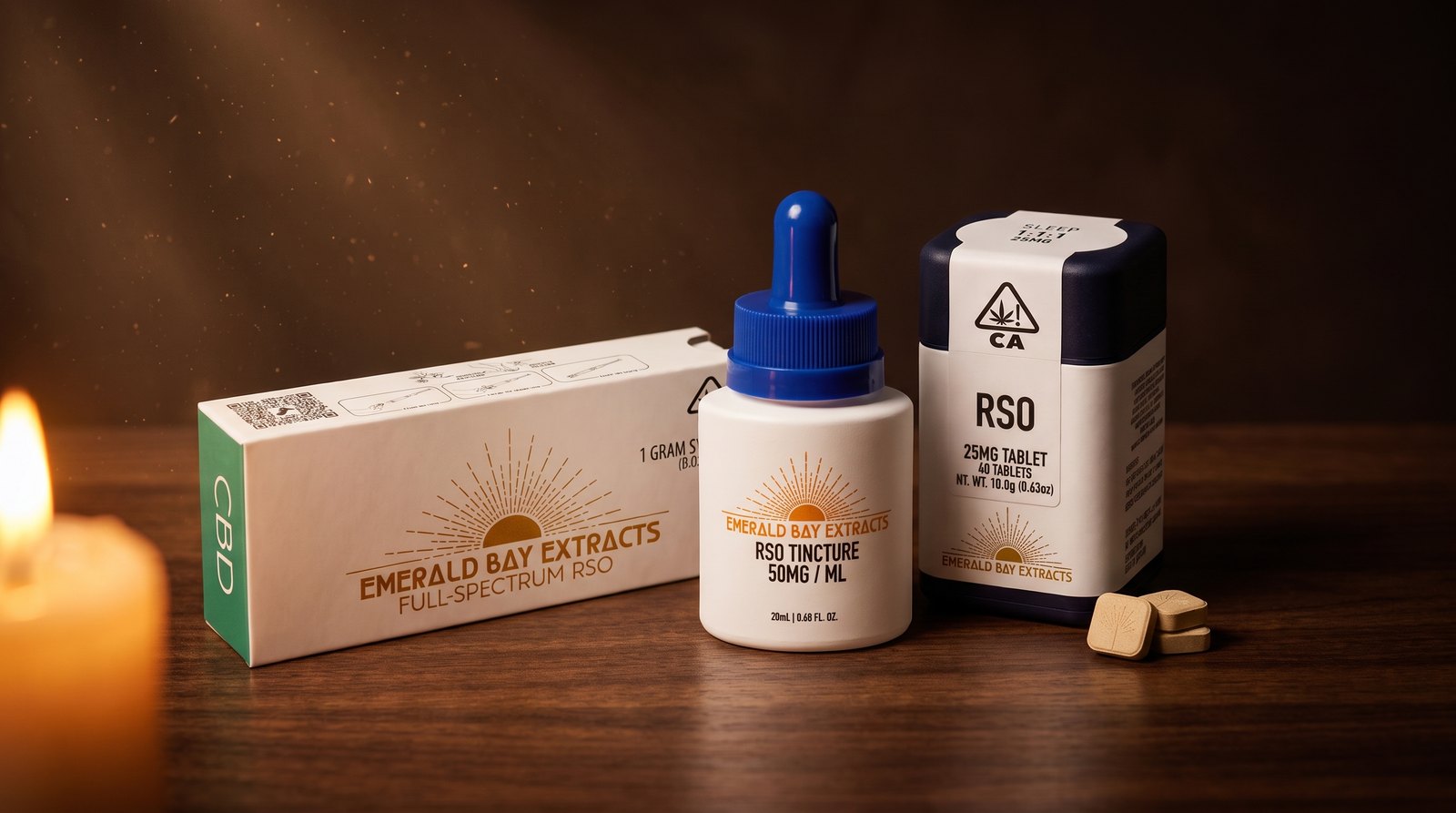
RSO is a cannabis extract with high concentrations of cannabinoids, terpenes, flavonoids, and other beneficial cannabis compounds. The unique extraction process used to create RSO preserves a higher cannabinoid and terpene profile compared to all other types of cannabis extracts, including the strongest concentrates available on the market. Originally created and promoted for its potential cancer-fighting properties, this highly potent extract has gained increased interest from both patients and professionals in the cannabis community for treating more serious medical conditions, including rare and intractable forms of epilepsy like LGS.
The Potential of RSO for LGS
There’s been growing interest in using RSO to manage epilepsy, particularly in severe cases like LGS. This is because RSO's rich cannabinoid and terpene profile is said to significantly enhance entourage effect benefits, which may offer more comprehensive therapeutic effects compared to isolated cannabinoids, including FDA-approved Epidiolex. RSO’s unique composition makes it particularly potent, with potential therapeutic benefits other cannabis extracts might not provide, especially for conditions like epilepsy. RSO is suggested to be particularly beneficial in supporting the entourage effect, a widely accepted theory suggesting specific cannabis plant compounds, including cannabinoids, terpenes, and flavonoids, work together to provide a greater effect. Ultimately this means RSO could be a more effective option as a treatment for epilepsy and other conditions compared to isolated cannabinoids. While RSO is typically associated with a notably high THC content, along with other cannabinoids such as CBD, CBN, and CBG, there are CBD-dominant RSO extracts created to contain a lower THC content than traditional RSO. Our Valentine X RSO Tablets, for example, contain a 25:1 CBD/THC ratio. Because research demonstrates high CBD/low THC concentrations can mitigate the psychoactive effects of THC, products with high CBD/low THC ratio can be a better option for patients interested in using RSO without intoxication. There are also RSO extracts with a balanced 1:1 CBD/THC ratio, which combination studies suggest offers the best balance between potential therapeutic effects and THC’s adverse effects, such as anxiety and paranoia. While these 1:1 extracts do cause intoxication, equivalent concentrations of CBD to THC have been shown to partially block THC-induced anxiety. With evidence to support that both THC and CBD contain the potential to prevent and reduce seizures, extracts that contain higher concentrations of THC may prove to be more effective than CBD products with lower or zero THC content.
Exploring Epidiolex: Federally Legal CBD Medication for LGS
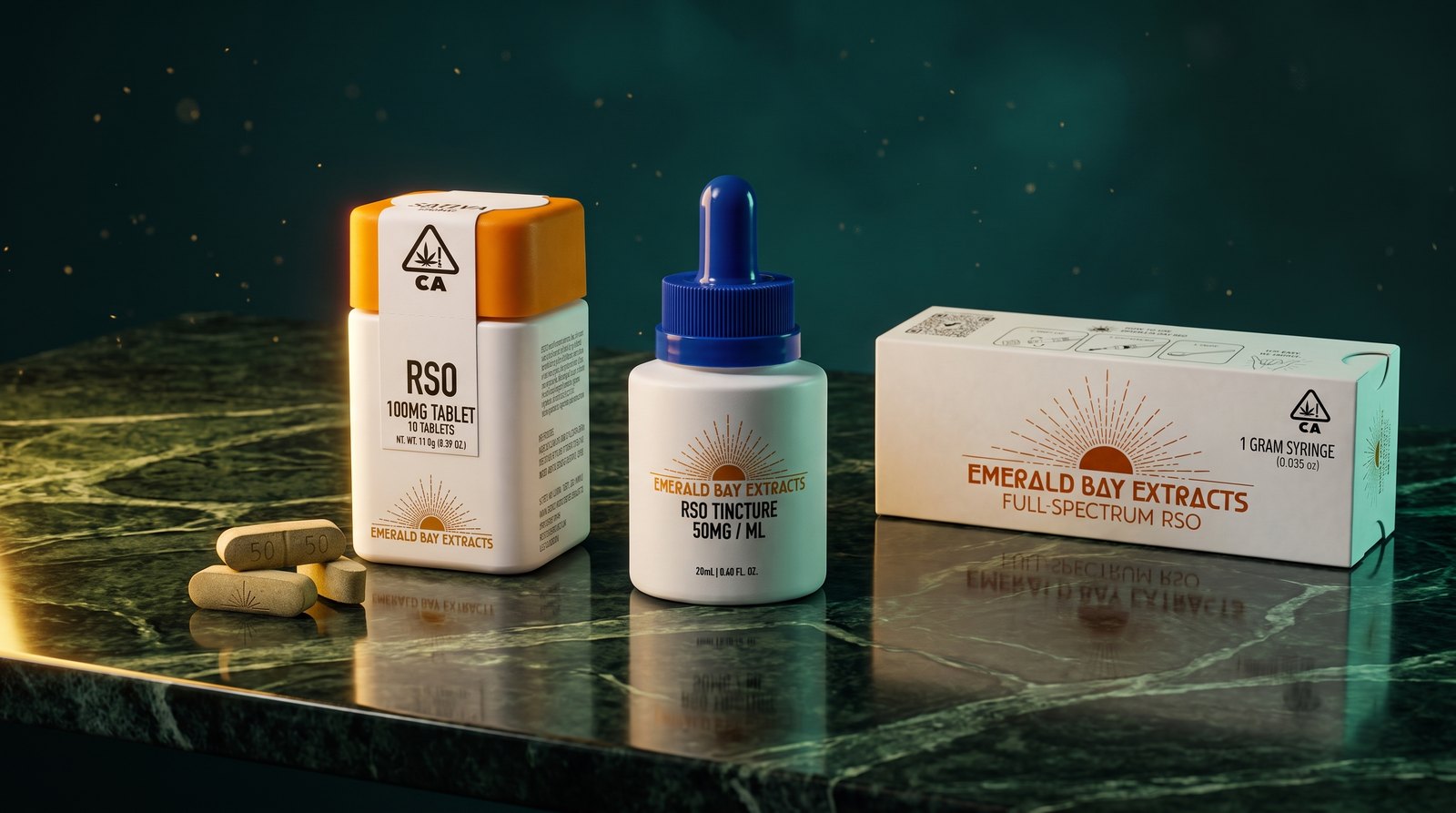
On June 25, 2018, the FDA approved the first plant-derived cannabis medication, Epidiolex, a CBD-based drug approved specifically for the treatment of two rare and intractable forms of epilepsy: Dravet syndrome (DS) and Lennox-Gastaut Syndrome (LGS). Epidiolex is the first and only FDA-approved prescription for plant-based CBD (or any plant-based cannabis medication). Its approval was based on extensive clinical trials supporting its efficacy in reducing seizure frequency. One pivotal study leading to the approval of the use of CBD in LGS was published in the New England Journal of Medicine in May 2018. In the study, a group of 225 LGS patients aged 2-55 years old were administered CBD in addition to their existing anti-epileptic medications for 3.5 months. Individuals treated with CBD experienced a significant reduction in the frequency of seizures compared to those who received a placebo. The study specifically found a 44% reduction in monthly drop seizures in the CBD group, compared to 22% in the placebo group. There’s a large body of research supporting CBD for seizures, including those associated with LGS, and Epidiolex has shown to be effective for many LGS patients. That said, there is some suggestion that using isolated CBD for LGS may not be as effective as CBD extracts like RSO which are rich in other beneficial cannabis plant compounds. One of the biggest concerns about isolated CBD is that it might not work as effectively for LGS because it doesn’t offer the potential entourage effect benefits. For patients with LGS, this means that while Epidiolex can work to reduce several types of seizures, it may not be the best solution. Some individuals may experience more benefit from CBD extracts rich in cannabinoids, terpenes, and flavonoids, such as RSO. The potential of these types of cannabis products to offer increased therapeutic support has significantly increased the interest of using RSO to effectively manage symptoms of LGS.
The Future of RSO for LGS
While there’s anecdotal evidence that suggests RSO is effective for supporting LGS, there’s a lack of clinical research specifically focused on RSO for this rare and intractable form of epilepsy. This highlights the need for increased cannabis research to determine if RSO is effective and safe to treat LGS and other forms of epilepsy. That said, the potential is promising. There is research to support that extracts containing rich cannabinoid and terpene profiles are more effective for treating epilepsy, and ongoing research and future studies may one day support the use of RSO as an alternative to traditional epilepsy medications. Increased studies exploring the effects of different cannabinoids and terpenes for epilepsy and other conditions could lead to FDA approval of cannabis extracts like RSO for LGS, offering patients a federally legal option to support these conditions with isolated cannabinoid medications like Epidiolex, as well as those rich in cannabinoids, terpenes, and other beneficial plant compounds.
Last Thoughts
While more research is needed to say for sure, RSO could prove to be an ideal treatment for supporting LGS. FDA approval of Epidiolex was monumental in shedding light of how beneficial cannabis is for controlling and reducing seizures and increasing patient quality of life. This, combined with increased clinical cannabis research studies and greater acceptance of cannabis for medical use, has led to a growing interest in using cannabinoid and terpene-rich extracts like RSO for LGS and other forms of epilepsy.