Anxiety is largely considered the most common mental health problem in the US and the world. Research estimates it regularly affects well over 300 million people worldwide. The American Psychiatric Association reports 43% of US adults in 2024, up from 32% in 2022. Prescription medication is the common solution to alleviate anxiety, but it doesn’t always work and isn't without potential risks and side effects. This has led to a growing interest in natural ways to reduce anxiety, which includes various holistic methods that address both body and mind. Here, we’ll explore a handful of different ways shown to naturally reduce anxiety, offering well-documented research and allowing you to make an educated approach to naturally managing anxiety safely and effectively.
Exploring Natural Ways to Reduce Anxiety
Anxiety is complex, a condition that can significantly impact every aspect of life. For some, anxiety is worse than it is for others. Regardless of how someone experiences anxiety, if left unmanaged it typically gets worse, ultimately resulting in more severe symptoms like panic attacks, chronic stress, sleep problems, irritability, compulsive behaviors, restlessness, substance abuse, social withdrawal, isolation, and more. Severe anxiety can also manifest physically as digestive issues, heart palpitations, headaches, nausea, sweating, and trembling or shaking. Managing anxiety effectively is crucial, but not everyone prefers relying on prescription medication to alleviate their symptoms. While a conventional approach works for some, more people are turning to natural, holistic approaches to alleviate anxiety and other health issues. In 2022, the global wellness market was worth $5.6 trillion USD, while the global pharmaceutical market value was close to $1.5 trillion USD, making it clear just how many individuals are interested in naturally supporting health and well-being. A holistic approach to wellness takes the whole person into account, including mind, body, and spirit, aiming to restore balance to the entire system. The goal isn’t just to manage or mask anxiety symptoms, it’s to manage, reduce, and eventually eliminate anxiety completely. Ultimately, this potentially makes natural methods more beneficial for the long-term compared to conventional anxiety treatments. By addressing some of the root causes of anxiety (like poor nutrition, lack of exercise, and chronic stress), natural solutions take a multi-faceted approach with proven, lasting benefits. They’re also a lot more personalized. Prescription medications are more “one-size-fits-all,” while a natural approach gives you the freedom to explore different methods that work the best for your lifestyle and personal needs.
Potential Risks Associated with Prescription Anxiety Medications
Common anxiety medications include benzodiazepines (Valium, Xanax, Klonopin, etc.) and SSRIs (selective serotonin reuptake inhibitors, such as Prozac, Lexapro, Celexa, etc.). While they can be effective and work very well for some people, they don’t always work for everyone. They’re also associated with side effects like drowsiness, fatigue, cognitive issues, and delayed reaction times. Some of these meds, particularly benzodiazepines, have serious potential for abuse and can be addictive. A 2019 analysis, for example, found that out of 30.6 million benzodiazepine users, 17.2% reported misuse. A 2023 study discovered individuals trying to discontinue long-term benzodiazepine treatment, experienced increases in nonfatal overdoses, emergency room visits, suicidal ideation, and suicide attempts. Discontinuing use can make anxiety symptoms quickly return, sometimes even worse than before. This cycle of temporary relief followed by increased anxiety can lead to long-term dependency on these medications without ever experiencing real, lasting improvement. Here’s where natural remedies come in. Because they work in harmony with the body’s innate inner healing process, taking a natural approach to alleviating anxiety can help you restore balance and peace of mind for the long-term, not just mask your symptoms.
5 Natural Ways to Reduce Anxiety
1. Diet
Diet plays a huge role in anxiety, meaning making a few dietary changes might help. Some foods are known to trigger anxiety or make symptoms worse, while other foods are associated with body and brain-boosting nutrients and phytochemicals that show to increase positive mental health outcomes.
Anxiety-Causing Foods
Caffeine, sugar, and highly-processed foods are the big three to avoid. Caffeine stimulates the sympathetic nervous system, increasing heart rate, blood pressure, muscle tension, stress hormones like cortisol and epinephrine, and adrenaline levels, all of which increase anxiety. Sugar causes rapid spikes in blood sugar levels, followed by crashes, and research supports excessive added sugar intake and anxiety disorders are intimately connected. Processed foods, typically low in nutrients and high in additives and preservatives, can significantly impact mental health. A 2022 study, for example, found that increased processed-food consumption was associated with greater odds of experiencing anxiety and depression.
Anti-Anxiety, “Feel-Good” Foods
Plenty of foods are associated with positive mental health outcomes and may help naturally eliminate anxiety. Dark leafy greens like spinach and kale are rich in magnesium, which helps regulate the nervous system. Fatty fish such as salmon, mackerel, and sardines provide omega-3 fatty acids, which support brain health and may reduce inflammation caused by anxiety. Nuts and seeds, including almonds and cashews, contain both magnesium and zinc, which help manage stress and support cognitive function. Foods like avocados and black beans are excellent magnesium sources for relaxation, while zinc-rich options like pumpkin seeds and beef further aid in lowering anxiety. Omega-3s in walnuts, chia seeds, and flaxseeds also help regulate mood.
2. Exercise
Exercise triggers the release of endorphins and reduces cortisol, the stress hormone research considers “one of the most significant biomarkers of anxiety." It also increases anandamide, one of the body’s naturally-occurring endocannabinoids, named after the Sanskrit word ananda, which means “bliss,” known to induce feelings of happiness, wellbeing, and centered calm. It’s also responsible for the “runner’s high” many people experience after a good workout or intense exercise session. Incorporating exercise into your regular routine can help with anxiety, but doing something that reflects your lifestyle is key. It’s important to stay consistent (aim for 3-5 days/week), as regularly moving your body will help maintain mood stability.
3. Meditation
Meditation is highly effective for quieting the mind, focusing on the present moment, and reducing the habit of overthinking, all of which can help ease (and prevent) anxiety. It’s an extremely calming practice to the nervous system, activating the parasympathetic nervous system, which counteracts the body's stress response. There’s a large body of evidence that shows meditation supports neuroplasticity, meaning it causes structural changes in the brain, part of which includes the brain rewiring itself so it functions differently than it did prior to meditation. Studies, for example, have shown that long-term meditators experience an increase in gray matter in brain regions related to emotional regulation, memory processing, learning, and overall perspective. There’s also research to support that meditation decreases volume in the amygdala, the part of the brain responsible for fear, and the hippocampus, which shows to play a role in both anxiety disorders and post-traumatic stress disorder (PTSD). If you’re new to meditation, there are several meditation apps and free guided practices that can be found online, making it easy to get started. Whether you practice just 5-10 minutes a day or engage in longer sessions, meditation offers truly profound benefits for supporting mental health and is largely considered one of the best natural ways to reduce anxiety.
4. Adaptogens
Adaptogens are natural substances that research supports help the body adapt to stress by balancing the hypothalamic-pituitary-adrenal (HPA) axis, which regulates the stress response, ultimately reducing anxiety and improving resilience against its symptoms. You can incorporate adaptogens into your regular wellness routine in products like supplements, teas, powders, or tinctures.
Key adaptogens include:
- Ashwagandha: Known for lowering cortisol and improving mood
- Tulsi (holy basil): Helps reduce physical and mental stress
- Ginseng: Increases energy while easing anxiety
- Schisandra Berries: Support adrenal function and reduce stress-related fatigue
5. Cannabis
Cannabis has a long history of widespread therapeutic use, possibly dating back as far as 5,000 years ago. There’s one study that reports evidence of THC found in medical cannabis from around 400 AD. By some estimates, 50% of medical marijuana patients use cannabis to manage anxiety. There’s also research to support that roughly 75% of patients diagnosed with anxiety disorders decreased use of antianxiety medications after they started using medical cannabis. It’s believed to work due to the way CBD and THC regulate mood, stress, and anxiety. In a breakthrough 2015 review, researchers found CBD has “considerable potential as a treatment for multiple anxiety disorders.” Several pre-clinical and clinical studies have discovered similar results. One study found that a single dose of 400mg CBD significantly lowered anxiety in individuals with social anxiety disorder. In a 2011 double-blind clinical trial, a 600mg CBD dose decreased anxiety during a public speaking event. A 2017 study, for example, highlighted that the anxiolytic potential of THC is dose-dependent and can vary with individuals. It showed lower doses of THC (7.5mg) decreased symptoms of anxiety, but higher doses (12.5mg) made symptoms worse.
How Cannabis Works for Potential Anxiety Relief
Research suggests there are a couple of different ways cannabis may work to alleviate anxiety. Like most of its potential therapeutic benefits, the plant’s suggested anxiolytic effects are influenced by the way various cannabinoids influence the endocannabinoid system (ECS). One study, for example, found the endocannabinoid anandamide (AEA) and ECS enzyme fatty acid amide hydrolase (FAAH) both play a large role in regulating anxiety. In the study, researchers found that by deleting FAAH, which normally breaks down AEA in the brain, AEA levels go up, leading to less anxious behavior in animal models. Another study found something similar, reporting that both CBD and THC elevate AEA levels by targeting fatty acid binding proteins (FABPs), which mediate the transport of AEA to FAAH. There’s also evidence to support that CB1 receptors mediate anxiety-like behavior, and that activating the ECS through CB1 receptor signaling may help support how an individual reacts to stress. Several studies show that THC can reduce anxiety in small doses and increase anxiety in higher doses, with both largely dependent on the cannabinoid’s interaction with the CB1 receptor. A 2008 study showed that THC at low doses reduced anxiety by its influence on CB1 receptors on brain cells known as glutamatergic neurons. At high doses, on the other hand, it showed increased anxiety through CB1 expression on brain cells in the forebrain known as GABAergic neurons.
Top Cannabis Strain for Potential Anxiety Relief
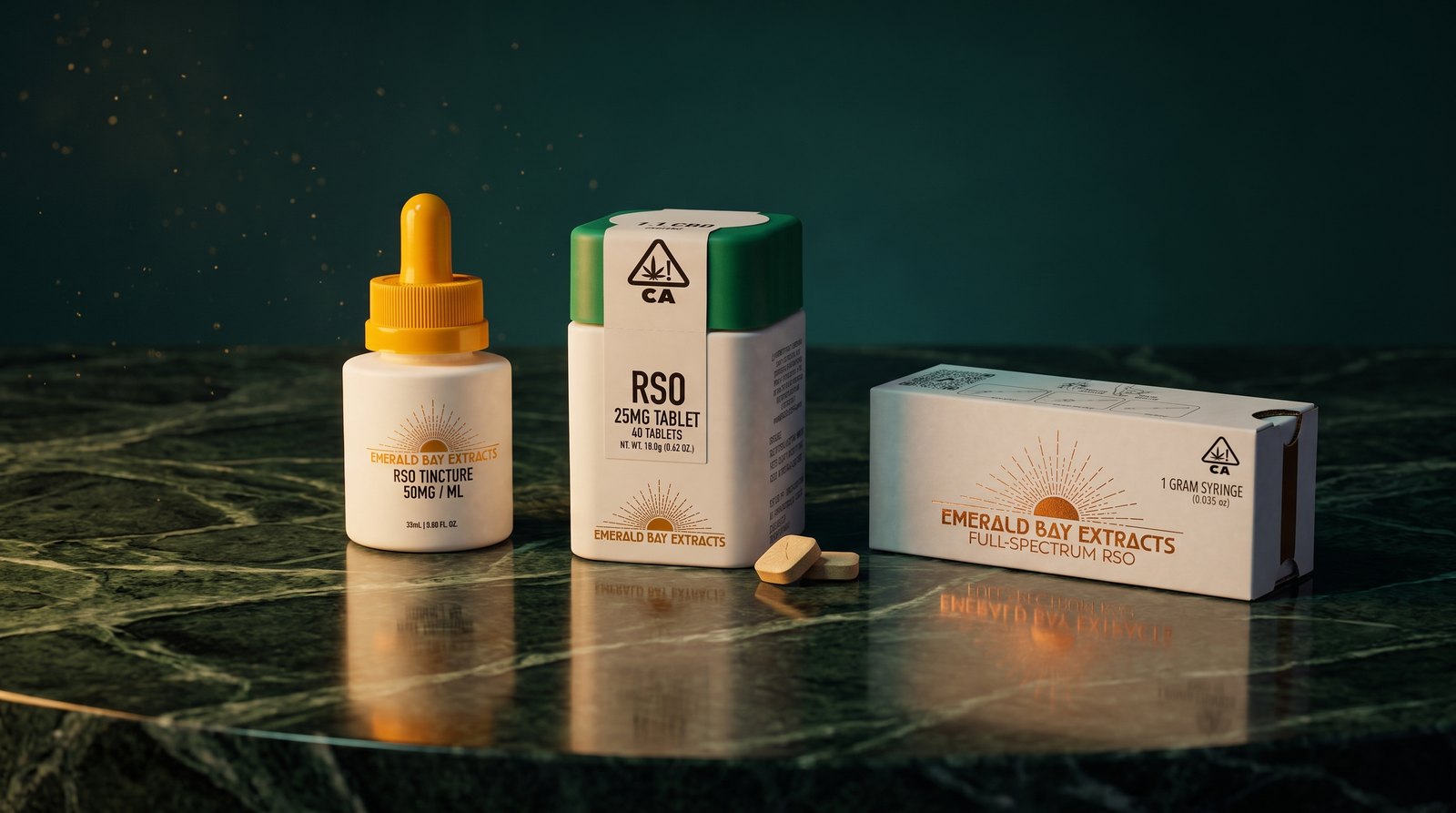
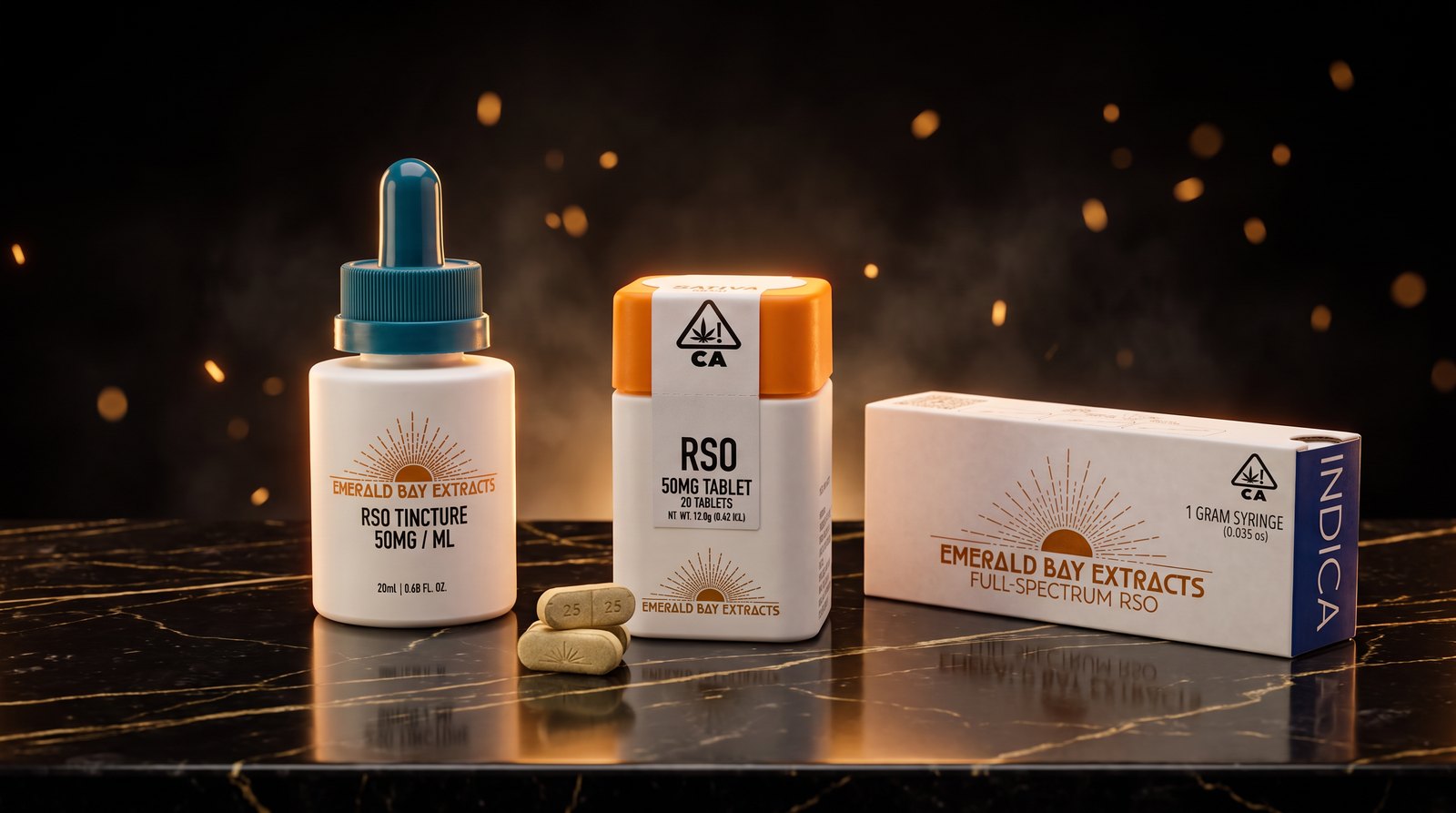
White CBG: A few minutes after taking White CBG, you’ll start to feel your mind relax and order itself almost like magic. Complicated thoughts, tasks, and conversations that previously would have been taxing now feel easy to manage. You’ll find yourself taking command of social situations with ease, and your outlook on life will feel sunnier. White CBG is great both for days when you already feel on top of the world and days when you could use a little help rising to the upper reaches of happiness and light. If you’re interested in using cannabis to manage anxiety, keep in mind that it affects everyone differently. Because higher doses of CBD show benefits for managing anxiety, cannabis products with potent CBD levels could offer the greatest relief. RSO, for example, is known for notoriously high cannabinoid levels, meaning high-potency RSO CBD could contain enhanced potential to manage anxiety. Others might find low THC / high CBD RSO soothes anxiety without overwhelming psychoactive or adverse effects.
Last Thoughts
Natural ways to reduce anxiety involves a multi-faceted, holistic, long-term approach focused on both mind and body. By incorporating lifestyle changes that include the methods listed above, managing anxiety can be done without prescription medications. Each of these natural anxiety solutions works with the body to restore balance and reduce stress. Every person has their own unique experience with anxiety, but exploring these natural solutions can empower you to take control of your well-being, reducing anxiety and possibly alleviating it for good.