Arthritis affects millions worldwide, causing joint pain, stiffness, swelling, and decreased mobility that can significantly impact quality of life. While many who suffer from arthritis symptoms turn to traditional treatments, more people are seeking out natural alternatives to avoid the side effects of OTC and prescription medications. Cannabis and arthritis are some of the most popular topics when it comes to natural wellness options for arthritis support. Widespread legalization, increased research, and the potential of cannabis to ease pain and inflammation have made cannabis a go-to for an increasing number of individuals with arthritis. Even the Arthritis Foundation acknowledges cannabis contains serious potential for arthritis support. In this article, we’ll cover everything about cannabis and arthritis, including its potential benefits, how it works, various research studies, beneficial cannabinoids, common cannabis products for arthritis, and more.
The Promising Therapeutic Connection of Cannabis and Arthritis
Arthritis is an umbrella term for over 100 conditions that negatively impact joints, joint tissues, and other connective tissues. The two most common types of arthritis are osteoarthritis, which is caused by damage or wear and tear of joint cartilage between bones that typically affects the hands, knees, and hips, and rheumatoid arthritis (RA), an autoimmune disease that typically affects small joints in the hands and feet. While symptoms depend on the type, some of the most common arthritis symptoms include Joint pain, Joint stiffness, Swelling of affected joints, Decreased movement, Sleep problems, Fatigue, Anxiety, and Depression. For some, arthritis pain can be debilitating. According to the Arthritis Foundation, people with arthritis who have the highest pain are also likely to experience sleep issues, daytime fatigue, and mental health problems like depression and anxiety.
The Potential of Cannabis to Support Arthritis Symptoms
With its potential to alleviate pain, reduce inflammation, promote sleep, and boost mood, cannabis has gained serious attention to support arthritis symptoms. The effects of cannabis compounds, including cannabinoids like CBD and THC and certain terpenes, could help soothe sore joints, improve flexibility, alleviate chronic pain, and boost mood in individuals with arthritis. A 2023 review revealed several preclinical studies showed “promising results regarding the anti-arthritic properties of cannabinoids, psychoactive and non-psychoactive cannabinoids alike,” noting that these properties are largely connected to the anti-inflammatory effects of cannabinoids. It’s suggested that non-psychoactive CBD can reduce inflammation, while psychoactive THC could help reduce arthritic pain and support sleep. Cannabinoid research has also discovered CBG may reduce inflammation and pain, further adding to the potential of different cannabinoids to support arthritis symptoms.
How Cannabis Works to Support Arthritis Symptoms
The majority of the potential benefits of cannabis for arthritis relief are largely connected to the way various cannabinoids and other cannabis compounds influence the body’s endocannabinoid system (ECS). Often referred to as one of the most important physiological systems that exists, the ECS is responsible for maintaining homeostasis (balance) of several processes throughout the body, including immune responses and pain sensation and perception. Cannabinoids and other cannabis compounds interact with the ECS in a way that may relieve many arthritis symptoms. Research shows the CB2 receptor is specifically responsible for the effects of cannabinoids on inflammation and immune function. While not all cannabinoids interact with CB2 receptors, they do influence the ECS in different ways, meaning each may have a unique effect in managing symptoms of arthritis. THC, for example, has a strong binding affinity to CB1 receptors in the brain and nervous system. Not only is the primary reason behind its psychoactivity, it’s also largely connected to its ability to modulate pain perception, which may ultimately help reduce arthritis aches and pains. CBD, on the other hand, doesn’t bind to either CB1 or CB2 receptors, indirectly influencing the ECS instead by increasing levels of the body’s endocannabinoids (anandamide and 2-AG) by regulating ECS enzymes (FAAH and MAGL). One study showed that inhibiting FAAH activity significantly reduced inflammation, while other research discovered inhibiting MAGL production causes anti-arthritic effects in animal models, reducing both pain and inflammation. This means CBD could reduce inflammation and ease other uncomfortable arthritis symptoms.
Exploring Different Cannabinoids for Arthritis Relief
Increased cannabis research has led to exciting discoveries about the potential properties of specific cannabinoids that may support arthritis, including CBD, THC, and CBG. Because these cannabinoids interact uniquely with the ECS, they each contain various means of managing arthritis symptoms, such as inflammation, joint stiffness, pain, and sleep issues. Here, we’ll take a deeper look at some of the research that supports these cannabinoids that could offer relief for individuals who suffer from arthritis.
CBD
According to a 2022 study, over 60% of people use CBD to treat a medical condition. Chronic anxiety, pain, and arthritis are the top reasons why. In a 2019 survey, the Arthritis Foundation found over one-third of 2,600 arthritis patients surveyed reported using CBD at some point to manage their symptoms. Close to 30% said they currently use the non-psychoactive cannabinoid for arthritis support. A recent study showed CBD offered individuals with arthritis an 83% improvement in pain, a 66% improvement in physical function, and a 66% increase in sleep quality. Most participants reported reducing (or stopping) the use of other medications to manage their symptoms, including anti-inflammatories, acetaminophen, and opioids. A 2015 study found topical CBD helped reduce arthritis pain and inflammation in animal models. While the exact way CBD works to support inflammation isn’t fully understood, it’s believed to be CBD’s indirect interaction with the ECS, as well as an indirect or direct influence on other receptors in the body. Research shows the effects of CBD on inflammation are largely mediated by the way it influences vanilloid TRPV receptors, including TRPV1 and TRPV2, which are considered pro-inflammatory because of the major role they play in conditions like joint inflammation, irritable bowel disease (IBS), and neuropathic pain. Another study described CBD as a potential “killer” of compounds known as fibroblasts which contribute to the development of arthritis. While mechanisms behind this are complex, researchers suggest this is a combination of increased intracellular calcium levels, and the activation of rheumatoid arthritis synovial fibroblasts (RAFS). They noted that “CBD possesses anti-arthritic activity and might ameliorate arthritis via targeting synovial fibroblasts under inflammatory conditions.”
THC
While best known for its psychoactive effects, THC is widely used for a variety of medical conditions, including pain and sleep support for arthritis patients. Studies show it alleviates collagen-induced arthritis, an autoimmune disease similar to rheumatoid arthritis (RA), by binding to CB1 receptors, which prevents inflamed cells from entering the synovial membrane (the main site of inflammation in RA). There’s also a large body of evidence that supports the efficacy of THC for pain management, with several clinical trials demonstrating medical cannabis containing THC was most effectively used as an adjunct therapy in multiple sclerosis and easing chronic RA pain. Its pain-relieving potential is largely associated with its binding affinity to CB1 receptors, which regulate the transmission of pain signals throughout the body by repressing the release of certain neurotransmitters. The combination of THC and CBD is believed to enhance the pain-relieving potential of cannabis. This is largely attributed to the entourage effect, the widely accepted theory that cannabinoids and other cannabis compounds work harmoniously together to create an enhanced effect. One study, for example, found “substantial evidence for the effectiveness of THC/CBD combination medicines for chronic pain, especially neuropathic pain or pain with an inflammatory component.”
CBG
Commonly referred to as the “mother of all cannabinoids,” CBG is the precursor from which other cannabinoids, including CBD and THC, are derived. While research is still limited, there is evidence to suggest CBG may help reduce inflammation, specifically the inflammatory markers involved in arthritis. A 2023 study, for example, discovered CBG shows significant anti-inflammatory effects by reducing fibroblast activity, which may help effectively manage arthritis symptoms. A 2024 study tested the effects of CBG on animal models with arthritis and discovered that CBG demonstrated a slower onset of RA symptoms and reduced the expression of pro-inflammatory cytokines. Researchers concluded the study by stating that “CBG has emerged as a potentially beneficial substance in the treatment of RA.”
The Entourage Effect: The Role of Terpenes Combined with Cannabinoids for Arthritis Relief
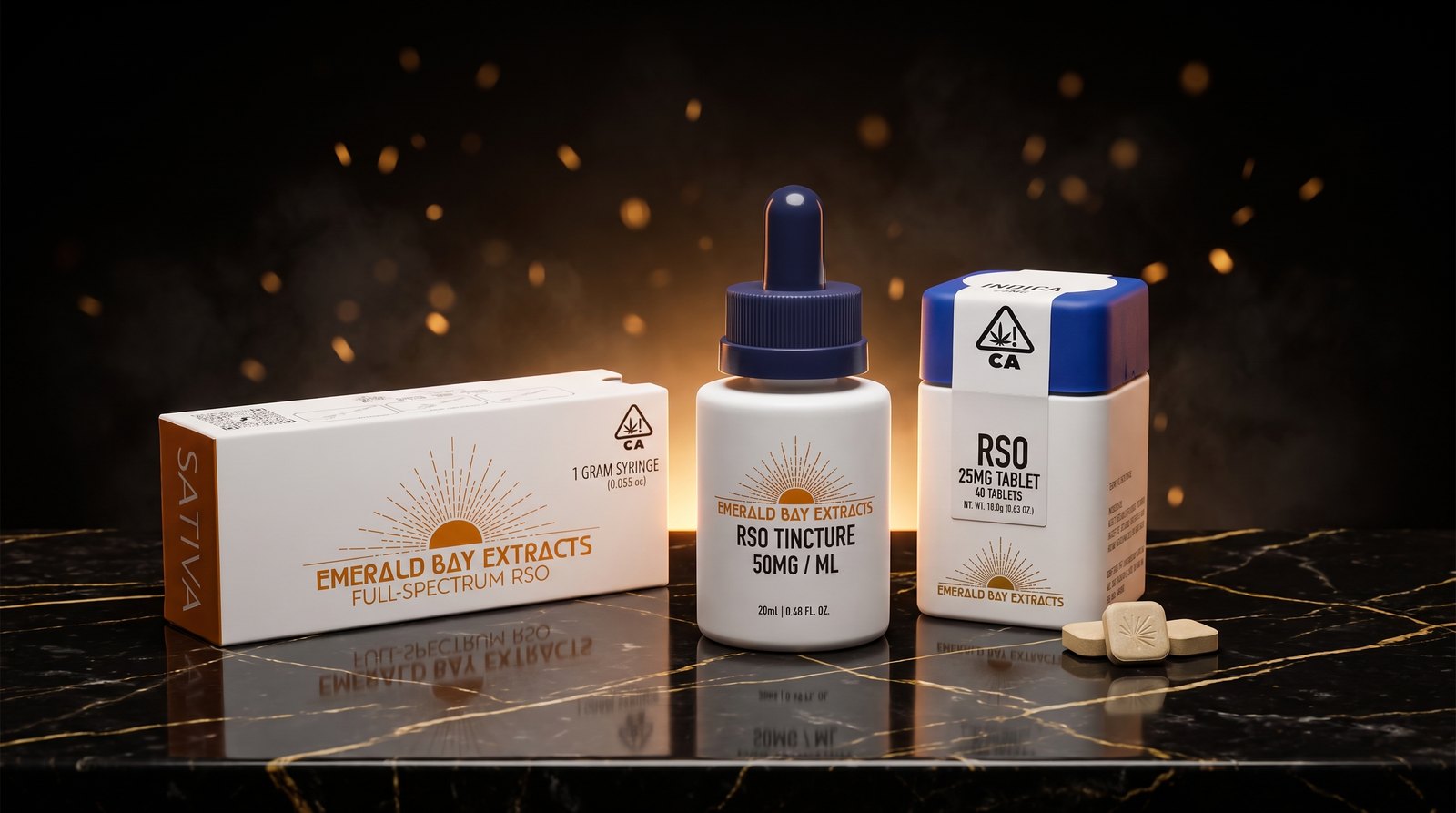
Cannabis products containing a rich concentration of cannabinoids, terpenes, and flavonoids that lend to the entourage effect, such as RSO, are typically sought out by arthritis patients for lasting relief.
Top Terpenes for Arthritis Relief
While more research is needed, the following terpenes may play a valuable role in reducing pain, inflammation, sleep disturbances, anxiety, and depression in individuals with arthritis.
Myrcene
As the most abundant terpene found in cannabis, myrcene contains sedative and analgesic properties that may support arthritis relief. Its calming effects combined with its pain-relieving effects may help manage joint discomfort and improve sleep.
Caryophyllene
With its unique molecular structure, caryophyllene is the only terpene that also works like a cannabinoid by directly interacting with the CB2 receptors. Ultimately, this increases its anti-inflammatory potential, making it particularly beneficial for arthritis.
Limonene
With its efficacy to reduce inflammation and boost mood, limonene may help - manage arthritis symptoms by easing both the pain and emotional impact arthritis can have on individuals with arthritis.
What are the Best Cannabis Products for Arthritis Support?
Considering cannabinoids and terpenes may work better together for arthritis symptom support, full-spectrum cannabis products may be best for arthritis support. Consider products that contain cannabinoids shown to specifically support arthritis, as well as specific symptoms you want to manage. If you’re interested in reducing inflammation and managing daytime fatigue, for example, something like White CBG, a high-CBG strain bred for energizing effects with trace amounts of CBD and THC could be beneficial. On the other hand, if chronic arthritis pain and relentless inflammation cause sleep issues, products made with an indica-dominant, high THC strain, like our Biscotti RSO, could help relieve pain and cause heavy sedation that helps you get the sleep you need. A 1:1 CBD/THC ratio like Mendo Sauce may be ideal for those interested in the benefits combining the two cannabinoids is suggested to contain. Following is a breakdown of how specific cannabis products may benefit arthritis symptoms:
Oils

Cannabis oils like RSO that contain a high concentration of cannabinoids, terpenes, flavonoids, and other beneficial plant compounds contain the most powerful entourage effect benefits, which may offer enhanced relief that helps support more challenging arthritis symptoms.
Tinctures
Cannabis tinctures are taken sublingually, where they’re absorbed by mucous membranes under the tongue before entering the bloodstream, with effects felt in about 30 minutes.
Topicals
Cannabis topicals, including lotions, balms, creams, and transdermal patches are designed for targeted relief. Applied directly to painful joints, topicals work quickly, making them ideal for localized pain and inflammation.
Tablets/Capsules
Cannabis capsules and tablets are a great option for anyone interested in precise dosing that’s as familiar as taking a regular supplement. Onset is typically longer than oils and tinctures, but they tend to offer extended relief.
Edibles
As one of the most popular cannabis products, the effects of edibles can last from 8-12 hours, making them ideal for sustained arthritis relief. Keep in mind, however, that onset can take up to 2 hours and effects are typically stronger than other products.
Inhalables
Inhalable cannabis products, such as vapes and flower, offer the most rapid relief, but may not be suitable for individuals with respiratory issues or individuals who don’t like smoking.
What are the Potential Risks and Side Effects of Using Cannabis for Arthritis?
Cannabis can produce side effects in some consumers, and it’s important to keep in mind that it affects everyone differently. The psychoactive effects of THC may cause anxiety or paranoia in new users or those with a lower tolerance. While CBD is considered safe and doesn’t cause any intoxicating effects like THC, side effects may include drowsiness, dizziness, diarrhea, and reduced appetite. It’s important to speak with a doctor or healthcare provider before you start, especially if you have any other underlying conditions or take other medications. Some drugs can interact with cannabis, meaning it’s vital to talk to a professional to avoid any potential risks. When you do start taking cannabis to manage arthritis symptoms, the general recommendation is to “start low and go slow.” This means start with a low dose, especially if you’re new to cannabis, then slowly adjust your dose based on the effects you desire and the way your body responds. Doing so reduces the risk of unwanted effects while helping you gauge what dose works best your your unique needs.
Last Thoughts
As cannabis research expands, interest in cannabis and arthritis continues to grow. With its potential pain-relieving promise, anti-inflammatory effects, ability to support sleep, and boost mood, many people who suffer from arthritis have found it to be a powerful natural option for managing their symptoms. While more studies are needed, preclinical and clinical trials show cannabis contains significant potential for arthritis support. Always consult a healthcare professional to determine the best products to support your individual needs and ensure the safest, most effective experience possible.