The conversation about cannabis among athletes has dramatically changed over the past decade. Widespread recreational and medical marijuana legalization combined with increased cannabis research has led to a monumental rise in mainstream acceptance of cannabis use. Today, more athletes than ever before use cannabis to enhance performance and support post-game recovery. Whether it’s to support focus, help tap into a flow state, relieve pain, or recover after intense physical activity, elite and amateur athletes alike from a wide range of sports, including football, boxing, golf, basketball, cycling, skiing, snowboarding and more,use cannabis. In this article, we’ll cover how cannabis may support athletic performance and recovery, including its potential benefits, how it works, ways to incorporate cannabis into your favorite physical pastime, and the best products to support various athletic needs.
The Rise of Cannabis Use Among Athletes
The stigma surrounding cannabis has shifted significantly in the world of sports, ultimately starting with the 2014 Farm Bill which gave states permission to cultivate hemp as part of a pilot program for research. This eased up some of the federal hemp restrictions a bit, and the CBD market started to take off. Combined with increased rec and medical legislation, countless athletes started speaking up about their cannabis use. By 2018, the World Anti-Doping Agency (WADA) removed CBD from their list of banned substances. The NFL removed CBD and THC from their list of banned drugs of abuse in the 2019-2020 offseason. In 202, the NBA took marijuana off their banned substances list and granted players permission to invest in companies that sell CBD or marijuana. The rules of the cannabis game have changed, with all types of players in support.
Famous Athletes Who Use Cannabis
The list of famous athletes who use cannabis as part of their regular wellness regime is exhaustive, embracing elitists from all sports sectors. Former Dallas Cowboy Shaun Smith says he “smoked two blunts before every game.” Mike Tyson claims “cannabis is the best thing that ever happened to me,” saying it improved his behavior and the way he approached every single problem in his life. In a 2021 NPR interview, Olympic soccer gold medalist Megan Rapinoe said, “CBD has become part of my all-natural recovery system that I use throughout the day to help with pain and inflammation, stabilize my mood and get better sleep.” Martellus Bennet, who spent 10 seasons playing for five different teams in the NFL, estimates that close to 90% of NFL players smoke marijuana. "There's medical marijuana," said Bennet in a 2018 podcast, "So it's like, there's times of the year where your body just hurts so bad that you don't want to just be popping pills all the time. … It ruins your liver. There's a lot of these anti-inflammatories that you take for so long that, like, it starts to eat at your liver or kidneys and things like that. And a human made that. God made weed."
The Surge of Cannabis Use in Different Sports
Cannabis use has increased so much among professional athletes that the NFL invested $1 million into research about the effects of cannabinoids on pain management and neuroprotection following concussion in professional football players. Football players aren’t the only professionals using cannabis to help them recover from hard-hitting practices and games. Cyclists, such as former professional Floyd Landis, use it for pain management, and golfers seek relief from chronic pain and joint stiffness. Bubba Watson, who became the highest profile golfer to sign with a CBD company in 2019, claims CBD has eased his aches and pains and helped extend his career. Former NBA player Al Harrington is one of professional basketball’s most outspoken cannabis advocates. After being stripped of a gold medal (which was later returned) at the 1998 Winter Olympics because cannabis was found in his system, Canadian snowboarder Ross Rebalgliati has devoted his life to cannabis as an advocate and entrepreneur with his own cannabis brand. The majority of athletes, whether professional, amateur, or everyday people, use cannabis to support athletic performance and aid in recovery. While more research is needed, there’s current evidence cannabis could significantly benefit both.
Cannabis and Athletic Performance
When it comes to athletic performance, the majority of athletes want to be on top of their game. Many claim that using cannabis plays a role in helping them do so, increasing focus and offering a calm, centered mindset that enhances concentration and reaction times. With research to support the potential of CBD to reduce anxiety, it could help athletes achieve that "flow state,” where they’re 100% focused and connected with what they’re doing in the present moment. The potential impact of cannabis on athletic performance is largely connected to its influence on the endocannabinoid system (ECS), which regulates several physiological functions, including mood, cognition, pain, inflammation, sleep, and more. A 2024 study demonstrated the body’s naturally occurring endocannabinoids anandamide (AEA) and 2-Arachidonoylglycerol (2-AG) are associated with the runner’s high, highlighting significantly elevated levels of each post-run. A 2015 study was the first to discover that “cannabinoid receptors are crucial for main aspects of a runner’s high,” noting that running decreased anxiety and pain in animal models. Considering cannabis supports ECS function, consumption may allow athletes to feel more connected to their experience. Some athletes say cannabis helps them focus and get into a flow state, where their attention is focused solely in the present moment. According to the Flow Research Collective, who is currently studying the effects of cannabis on professional surfers, this could be connected to the way anandamide increases dopamine levels in certain parts of the brain, which plays a role in motivation, reward, pattern recognition, and attention. There’s not much research that supports cannabis as a tool that can help boost athletic performance. The University of Colorado Boulder reports cannabis can boost motivation and make workouts more fun, but that it won’t enhance performance. That said, study participants were limited to a group of 42 volunteer runners who use cannabis regularly when they run, but it didn’t take other sports into account or the fact that people respond to cannabis differently. Take Jenn Shelton, for example, the record-setting ultramarathon runner who uses cannabis when she trains, who told the Wall Street Journal she didn’t use cannabis in competition because she believes it enhances performance. Or Avery Collins, professional mountain runner, cannabis advocate, and the only professional trail runner sponsored by a cannabis company that uses cannabis to manage pain and enhance performance, who says that the benefit of running high “is being more in tune with your body…that it keeps you more alert and aware.” A 2018 study on cannabis performance of athletes says there’s no definitive evidence that cannabis contains performance enhancing effects. Researchers did note, however, that the potential benefits of cannabis to help manage pain (including concussion symptoms) “deserve further attention.”
Cannabis and Athletic Recovery
Whether after a particularly intense workout or as a regular part of their wellness routine, countless athletes turn to cannabis as a natural aid for athletic recovery thanks to its potential benefits for inflammation, pain management, and more. Following are some of the top reasons why cannabis and athletic recovery has gained so much attention:
Pain Relief
Pain management is one of the top reasons athletes use cannabis. With increased research on different cannabinoids for pain suggesting several cannabinoids contain analgesic properties, meaning cannabis could be an effective natural alternative for managing muscle and joint pain than OTC pain relievers, NSAIDs, or prescription pain meds that include opioids like Vicodin, Oxycontin, and codeine. One early study, for example, found 10mg THC offered the same pain relief of 60mg codeine and that 20mg THC was comparable to 120mg codeine. While THC caused more sedation than codeine, patients reported less anxiety and a greater sense of wellbeing after taking THC compared to taking codeine. In a recent study, THC showed to be more effective for pain relief than CBD, but that a combination of THC and CBD could have enhanced pain relieving effects and relieve some of the less-desirable effects of THC.
Anti-Inflammatory Effects
Inflammation is a significant issue with a large percentage of athletes. With studies to support that cannabis may support inflammation, it could help offer anti-inflammatory effects that lead to faster recovery times by managing swelling or joint inflammation. Research suggests the influence of various cannabinoids on the endocannabinoid system (ECS), which regulates immune function, is largely responsible for the potential of cannabis to reduce inflammation. In a 2017 study, researchers found inhibiting the production of the ECS enzyme fatty acid amide hydrolase (FAAH) has a profound effect on reducing inflammation. There’s also a large body of research on cannabis and arthritis that note the potential of cannabis to support arthritis symptoms is primarily caused by the anti-inflammatory effects of cannabinoids, which suggests cannabis could be beneficial for athletes interested in natural inflammation support.
Potential Benefits for Bone and Brain Health
Increased cannabinoid research has led to exciting discoveries about cannabinoids and bone health. A 2020 study examining the influence of the ECS on bone health highlighted CB1 and CB2 receptors are present in the bones and play a large role in bone formation and homeostasis. It found CBD shows promote bone healing, but noted more clinical research is needed. A 2023 study highlighted that recent orthopedic studies demonstrate the positive effects of CBD on fracture healing. Another 2023 study found CBD and CBG promoted bone healing through several mechanisms in early and late stages. Ultimately, this means cannabis may hold promise for athletes recovering from fractures. There’s also research that suggests some cannabinoids may help protect against traumatic brain injuries (TBIs), something common in contact sports like football. The patented neuroprotective properties of cannabinoids also suggest cannabis may be beneficial for supporting brain health in athletes, such as concussions and chronic traumatic encephalopathy (CTE), a condition related to repeated non-concussive head injuries that can cause problems with balance and walking and symptoms associated with Parkinson’s disease, such as shaking and tremors.
Using Cannabis for Athletic Performance and Recovery
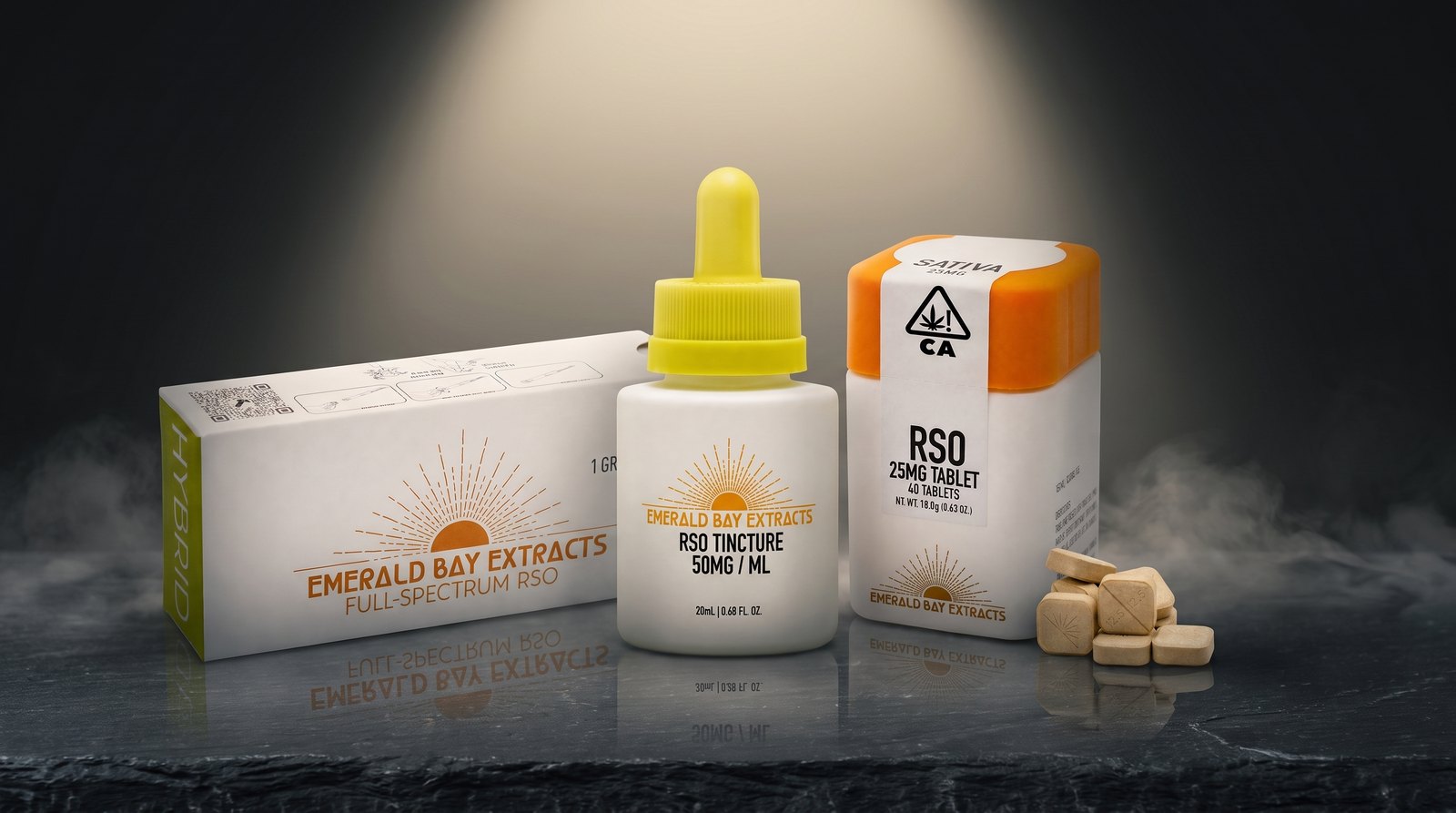
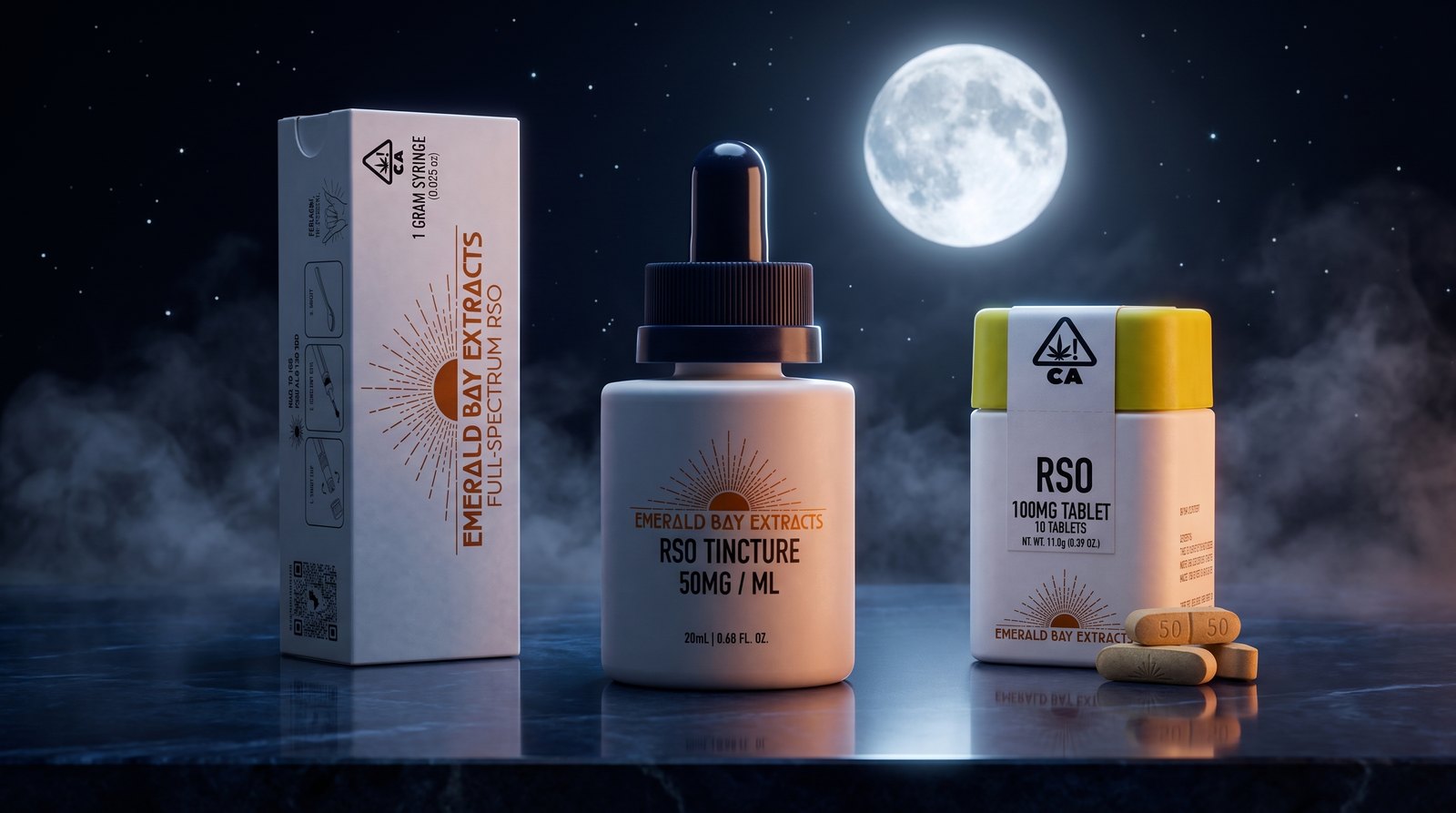
If you’re an athlete interested in using cannabis, the best ways to incorporate it into your regular athletic routine depend on your unique needs and goals. Whether using cannabis pre or post-workout (or both), a variety of products may be beneficial. Ultimately, this allows you to tailor your cannabis use with different products that help support whatever your game may be. The majority of athletes using cannabis pre-workout across most disciplines are interested in increasing focus and mental clarity. Most claim that to some extent, cannabis helps increase athletic performance, although there isn’t much research to support it. The best types of cannabis products for athletes all depend on their needs. Those who need serious support often turn to RSO products because of their high potency and rich cannabinoid and terpene profiles, which may offer enhanced effects. They may choose to take a pre-game RSO tablet made with an uplifting sativa strain like Sour Diesel that’s said to increase euphoria, motivation, and focus. Those interested in powerful recovery relief may opt for an RSO product created with a cannabis strain suggested to support pain and sleep. Some athletes may opt to take a cannabis tincture before they workout for quick effects, whether to manage chronic aches and pains while they play or help them increase focus and approach their game from a calm, centered state. Edibles are popular among athletes, as they’re perfectly dosed, discreet and convenient to take on-the-go, and offer prolonged effects. Topicals are used for targeted relief, typically to soothe sore muscles and joints, whether before, during, or after their workout. Athletes interested in rapid pain relief or a quick boost of motivation or focus often turn to smokeable products, whether it’s smoking flower or hitting a vape pen.
What are the Potential Risks and Side Effects of Cannabis for Athletes?
As beneficial as cannabis might be for athletes, it’s not without its potential risks or side effects. Products containing high levels of THC may not be suitable for new or occasional users, as they could increase anxiety and slow reaction time, reducing overall performance and increasing the risk of injury. Common side effects of cannabis use can include dry mouth, increased heart rate, dizziness, and fatigue. Cannabis can also interact with some medications, meaning athletes currently taking other medications should talk to their doctor before using cannabis. Cannabis use by athletes subject to drug testing can lead to positive drug screens that may disqualify them from competition.
Final Thoughts
The widespread acceptance and use of cannabis among athletes marks a promising shift in how it’s viewed for performance and recovery. With cannabis legalization and research expanding, more athletes are openly embracing and promoting cannabis as a natural way to manage pain, soothe sore muscles, reduce inflammation, and increase motivation, focus, and concentration, while approaching their discipline from a calm, centered space. While individual reactions to cannabis vary and more research is needed to fully understand how it affects athletes, cannabis holds significant potential for use in all types of athletic pursuits. When used mindfully and attention is given to personal needs, cannabis is poised to continue to play an integral role in enhancing the experience of athletes, naturally empowering them in peak performance and supporting efforts in recovery.