While it’s commonly perceived as a teenage or puberty problem, acne can affect people of all ages. Acne is most prevalent in people ages 18-24, with around 85% prone to breakouts. The prevalence of acne declines with age but still affects some 30% of people in their 30s and 25% of those in their 40s. Increased research, however, has discovered that cannabinoids may hold some serious potential as a skin treatment for acne. CBG holds particular promise, with increased interest in its potential to reduce acne by targeting inflammation and bacterial growth.
CBG and Acne: The Potential of CBG to Treat Troubled Skin
Before diving into the potential of CBG as an acne treatment, it’s important to understand a bit more about the skin and what causes acne to form. Keep in mind that skin function is very complex. The skin is basically a shield, playing the role of a barrier system that protects the body against the external environment. Countless immune cells are involved in skin function, and interactions within the skin are controlled by several systems. There’s research to suggest the skin’s endocannabinoid system (ECS) is one of them.
What Causes Acne?
Simply put, acne forms when hair follicles become clogged with oil and dead skin cells. The skin condition typically starts in puberty when there’s an increase in androgen hormones, which start and complete puberty. This contributes to increased activity in sebaceous glands, which are microscopic glands that produce and secrete sebum. Sebum is an oily wax substance that helps keep the skin lubricated. Sebum production is regulated by intrinsic (an essential part of a thing) and extrinsic (external to a thing) factors. Endocannabinoids are one of the intrinsic factors and androgens are one of the extrinsic factors. When sebum is produced in excess and isn’t adequately secreted through the pores, it builds up and clogs hair follicles, acting much like a plug. If hair follicles are clogged close to the surface of the skin, they can bulge out resulting in whiteheads. Blackheads form when that bulge opens to the skin. This can cause bacteria that usually live on the skin to contaminate and infect the clogged hair follicles, resulting in inflammation and leading to moderate to severe acne. With studies to support that the skin contains a functional ECS of its own (just like the body’s ECS), it’s believed that various cannabinoids could support skin health and function. Understanding more about the skin’s ECS offers insight of why CBG may offer hope as an alternative option to conventional acne treatments, such as oral and topical pharmaceuticals, laser therapy, and phytotherapy.
Exploring the Skin’s ECS
The skin’s ECS helps regulate several vital skin functions, including how skin cells grow, develop, and die. It also influences the production of various substances that help keep the skin healthy, including those produced by hair follicles and sebaceous glands. The skin’s ECS supports skin homeostasis, much like the body’s ECS supports the homeostasis of several physiological processes. Essentially this means the ECS in the skin helps maintain overall skin health and balanced skin function because of CB1 and CB2 receptors within skin cells that are influenced by the body’s endocannabinoids. Considering it regulates substances produced by hair follicles and sebaceous glands (including sebum production) a disruption to the skin’s ECS can lead to the development of several skin conditions and diseases, including acne, psoriasis, eczema, hair growth disorders, itch, pain, and more. When cannabinoids, such as CBD or CBG, are introduced to the skin they interact with the skin’s CB1 and CB2 receptors, which may help support the many functions of the skin’s ECS. This is why CBG is known to have such a profound impact on acne.
CBG and Acne
Early research published in 2005 was the first study to demonstrate the presence of CB1 and CB2 receptors in the skin. In a 2018 study researchers highlighted how supporting the skin's ECS with cannabinoids may be beneficial for treating skin conditions. In the study, the effects of several non-psychoactive cannabinoids were assessed in human sebocytes, the cells inside sebaceous glands that produce sebum and sebaceous lipids, or fats, which contribute to the majority of the skin’s surface lipids and play a large role in immune processes that cause inflammatory skin diseases such as acne. In the study CBG, in particular, was found to contain potent anti-inflammatory properties that reduced inflammation in sebocytes.
The Anti-Inflammatory Effects of CBG
Oxidative stress is a big factor that contributes to skin inflammation, which occurs when there’s an imbalance of free radicals and antioxidants in the body. An overabundance of free radicals can damage cells, which can lead to inflammation. Ultimately this worsens skin conditions like acne, eczema, and psoriasis. Cannabinoids, including CBG, are patented antioxidants, which are compounds that neutralize free radicals and help protect cells from damage. With an ability to reduce oxidative stress, the antioxidant properties of CBG help to regulate skin inflammation, maintaining healthy balance and protecting skin cells. When oxidative stress is managed, the inflammatory response in the skin decreases, leading to fewer flare-ups and irritation. Ultimately, this could make CBG a beneficial ingredient in skincare products intended to reduce inflammation and promote clear, healthy skin. A 2022 study was the first to clinically test CBG on human skin. The aim was to explore CBG’s anti-inflammatory and skin health benefits. In the study, researchers found CBG inhibits the release of pro-inflammatory cytokines, small proteins that play a large role in the immune response, from skin cells. When cytokines are released in excess, it can lead to chronic inflammation. The ability of CBG to suppress cytokine release may prevent inflammation and provide relief from skin conditions that cause redness, swelling, and pain. When compared with placebo treatments, topical CBG demonstrated superior results in reducing acne symptoms. Participants in the study using CBG experienced a more significant decrease in the number of pimples and overall skin inflammation compared to those using a placebo.
The Antibacterial Effects of CBG
In a recent 2023 study, researchers highlighted CBG contains antibacterial effects that can inhibit the growth of several types of bacteria, including methicillin-resistant S. aureus (MRSA) and Streptococcus mutans. This is especially beneficial when it comes to skin health, as the overgrowth of bacteria can cause acne and other skin infections. CBG also shows to act against Cutibacterium acnes (C. acnes), a primary bacteria that contributes to acne that thrives in the oily environment caused by overactive sebaceous glands. When it multiplies, the bacteria causes inflammation that leads to acne. CBG's efficacy in targeting C. acnes makes it an especially valuable tool for the treatment of acne. With wide-ranging antibacterial activity, CBG may help protect the skin from a variety of bacterial infections, which exacerbate acne. Reducing harmful bacteria on the skin helps maintain a healthy skin microbiome, something essential for overall skin health. Using CBG on the skin may target the bacterial aspect of acne, helping reduce inflammation and improve the appearance of the skin.
CBG’s Influences the Skin’s ECS and Other Pathways that Help Support Healthy Skin
The potential effects of CBG for acne are largely attributed to its interaction with the skin’s ECS. The cannabinoid acts as a partial agonist at the CB1 and CB2 receptors, which are both involved in maintaining skin homeostasis. CBG’s ability to activate these receptors may help regulate sebum production, reducing the excessive oil that can lead to acne. CBG is one of several cannabinoids that influence other signaling pathways in the body. This includes TRPV1 receptors, which play a role in pain perception and inflammation. CBG’s influence on TRPV1 receptors shows to reduce pain and inflammation in the skin, which can offer relief from skin conditions such as acne, eczema, and psoriasis. There’s also research to support that CBG has an affinity to PPARγ receptors, which regulate lipid metabolism and inflammation. CBG demonstrates an even higher binding affinity for these receptors than THC or CBD, making it a strong candidate for supporting acne and other inflammatory skin problems. With its ability to work on several targets that support healthy skin, CBG offers a natural approach to skin care that doesn’t only address symptoms, but the underlying causes of skin issues, as well.
Using CBG as a Potential Acne Treatment
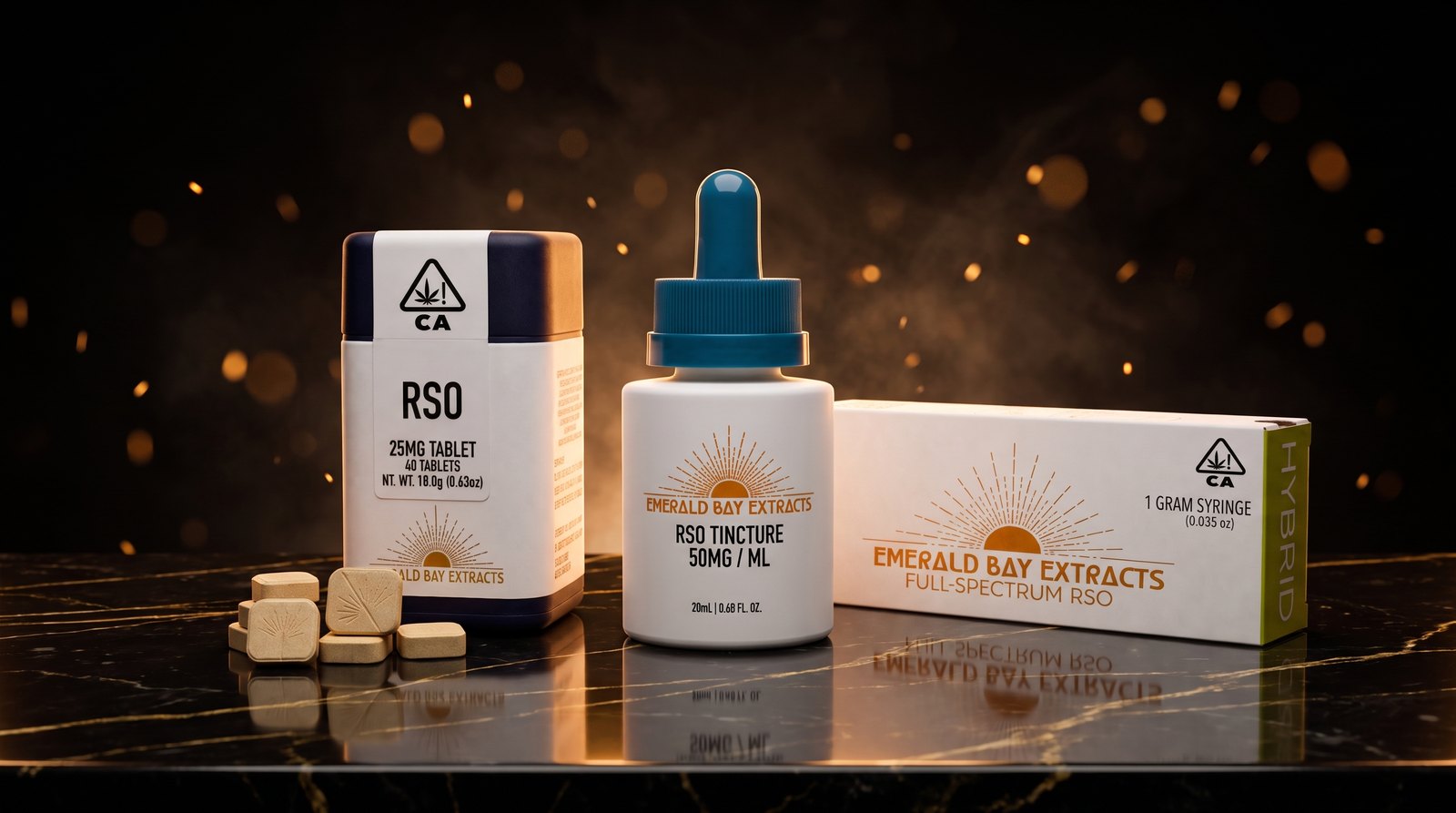
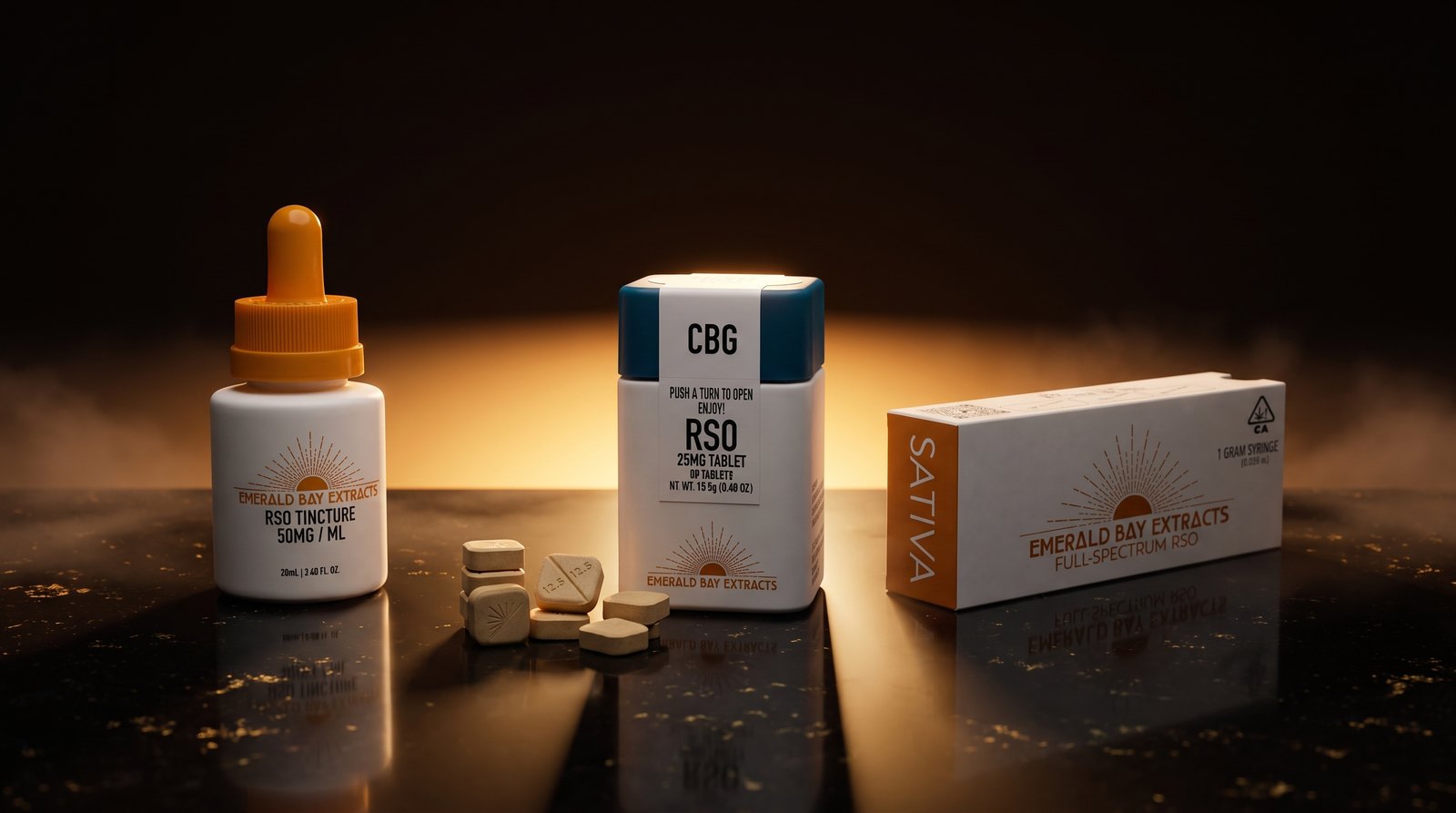
With its promise as an effective acne treatment for acne,CBG is particularly useful when applied directly to problem areas on the skin. This allows the cannabinoid to deliver its potent anti-inflammatory and anti-bacterial properties exactly where they’re needed to promote clear, healthy skin. While there are a handful of skincare products available that contain CBG, applying CBG directly to the skin may offer better results. Using CBG RSO, for example, offers a highly concentrated CBG option that doesn’t contain other ingredients that might irritate sensitive skin. Combining CBG with other cannabinoids, such as CBD, may enhance its effects. Because CBD is also shown to contain anti-inflammatory and anti-bacterial properties, the cannabinoids can work synergistically and possibly provide even greater benefits.
Wrapping Up
The potential benefits of CBG to support acne hold some serious promise for anyone who suffers from acne-prone skin or frequent breakouts. Its anti-inflammatory and antibacterial benefits make CBG an exciting option for those interested in natural acne treatments. By incorporating CBG into their skincare routine, individuals with acne may see significant improvements in the severity and frequency of breakouts.
The information provided in this blog post is for educational and informational purposes only and is not intended as medical advice. The statements and opinions expressed herein have not been evaluated by any medical authority, including the Food and Drug Administration. Always consult with your healthcare provider or a qualified medical professional before making any decisions about your health or starting any new treatment or supplement. The content of this blog post should not be used as a substitute for professional medical guidance, diagnosis, or treatment.