RSO and Cancer: Exploring the Promising Potential and Possibilities
When seeking alternative options to ease cancer symptoms and improve quality of life, cannabis is often one of the first options patients turn to. There’s growing evidence that supports its potential to reduce pain, ease nausea and vomiting, and increase appetite. Some studies even suggest it could positively influence the way cancer cells behave.
For patients interested in using cannabis for cancer support, it’s essential to know which cannabis products contain the most potential. Popularized in 2003 by Rick Simpson after his personal experience with skin cancer, Rick Simpson Oil (RSO) is a highly concentrated cannabis extract that has been used for over two decades by people seeking alternative approaches to cancer and other conditions.
Curious as to what makes RSO different from other cannabis products on the market when it comes to cancer? That’s exactly what you’ll learn in this blog, as we dive deep into an exploration of RSO and cancer, including its history, how it works, its potential benefits, and more.
What is RSO?
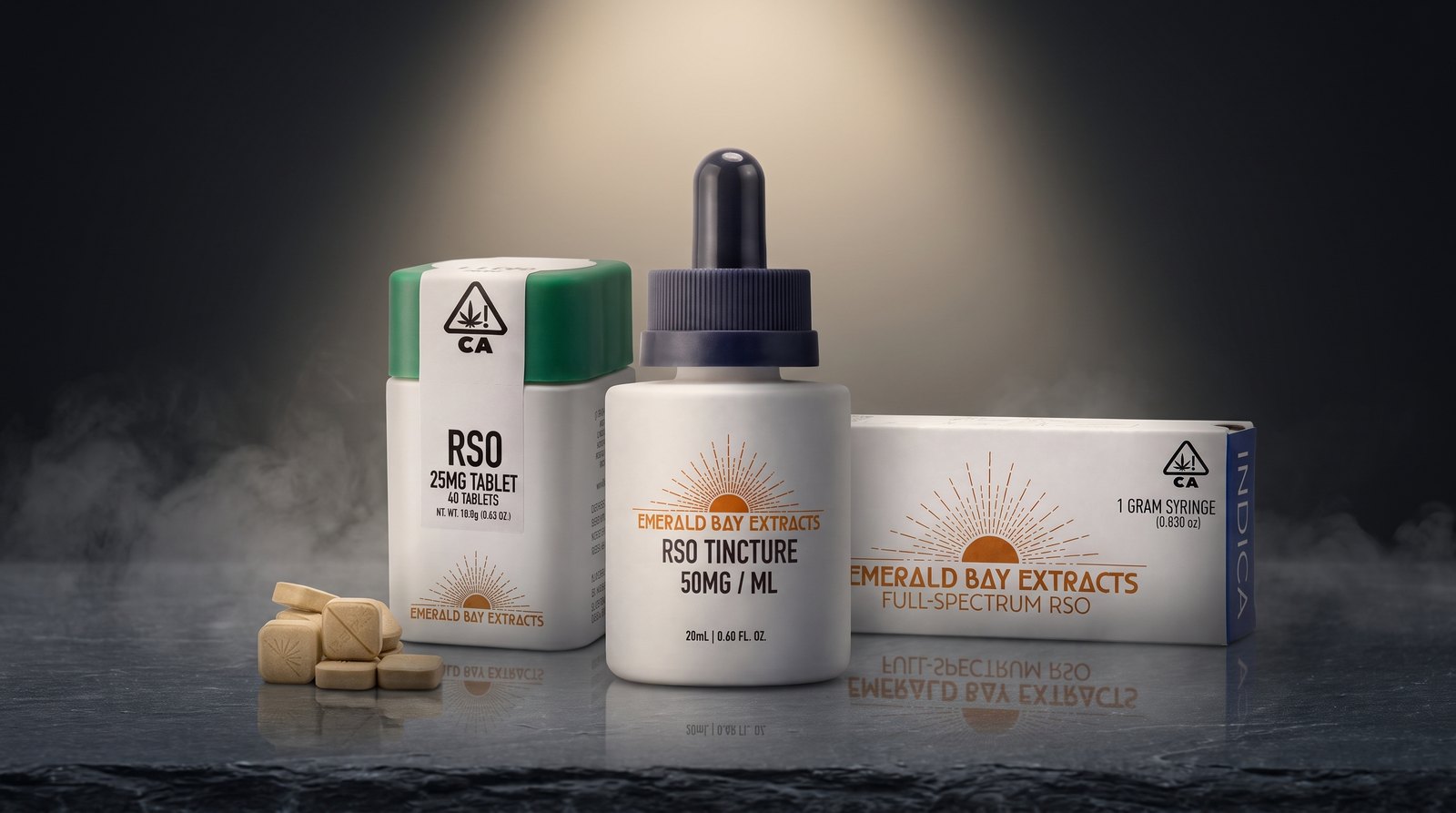
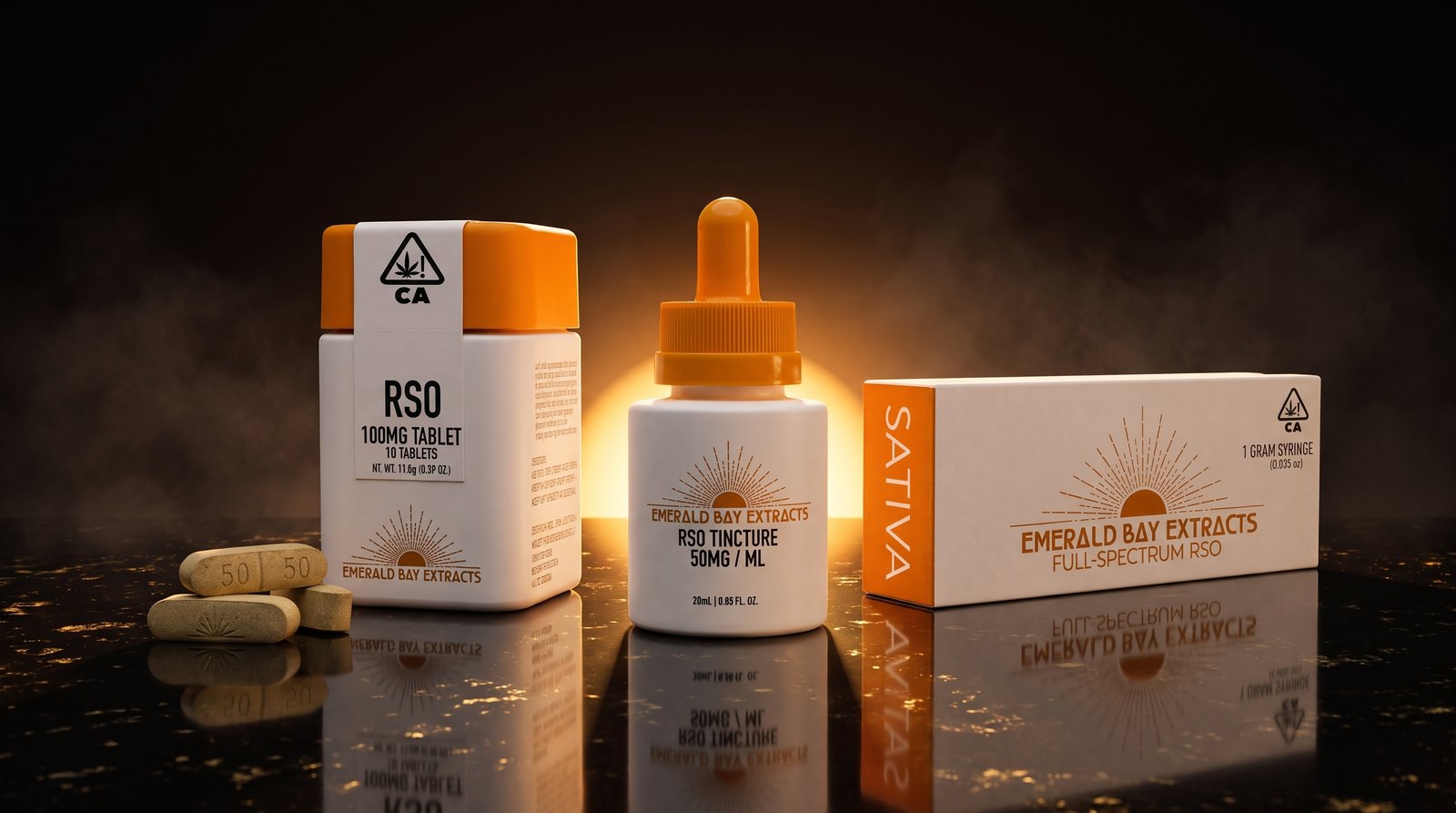
When it comes to cannabis extracts, RSO is about as potent as it gets. This highly concentrated cannabis extract is known for its high concentration of THC, as well as other cannabinoids, terpenes, and other beneficial cannabis compounds. RSO is created with a unique extraction process that uses alcohol to create an extremely concentrated full extract cannabis oil.
RSO is named after Rick Simpson, the Canadian engineer who created it after reading a 1975 study showing THC slowed or stopped tumor growth in mice and increased survival rates. Reportedly, the dark, thick oil he created cured his cancer. Sometimes RSO is referred to as FECO (full extract cannabis oil), full-spectrum cannabis oil, or full-spectrum oil. But what makes many consider RSO superior to other cannabis products for cancer support? It all comes down to the rich concentration of beneficial cannabis compounds the potent extract contains.
The Science of RSO and Cancer Support
The most significant difference between RSO and other cannabis products is its high concentration of cannabinoids, terpenes, and flavonoids. These cannabis compounds are suggested to work synergistically together to provide an enhanced effect.
This widely accepted theory is known as the entourage effect, which supports the notable differences between isolated cannabinoids like THC and CBD compared to full-spectrum extracts containing a vast array of cannabis compounds. A large body of research suggests the entourage effect plays a crucial role in cannabis’s therapeutic potential, including possible cancer support.
Take the 2018 study, for example, that compared the antitumor potential of isolated THC to a botanical drug preparation (BDP) containing the full array of cannabis compounds in cell cultures and animal models. Researchers found higher antitumor effects in three types of breast cancer with the BDP compared to isolated THC, noting that “standardized cannabis drug preparations, rather than pure cannabinoids,” could be part of a beneficial range of therapies for managing breast cancer.
Unlike isolated cannabinoids, RSO contains a diverse range of compounds — including THC, CBD, and other cannabinoids, as well as terpenes and flavonoids, all of which contain unique effects that work harmoniously together to enhance the effect of one another. The following are a few ways the rich profile of RSO could offer cancer support.
3 Ways RSO Could Support Cancer Patients
1. Reduced Pain
Cannabis is well-known for its pain-relieving potential. Compared to other cannabis products, the rich blend of various cannabinoids and terpenes in RSO could contribute to enhanced pain relief for cancer patients.
When it comes to cannabinoids, the ability of cannabis to relieve pain is largely attributed to THC taken in moderate to high doses. There’s evidence, however, that supports the analgesic effects of other cannabinoids. A 2008 review, for example, found CBG could be more potent than THC for managing difficult-to-treat pain.
One recent survey found that almost 74% of participants claimed CBG-predominant cannabis was superior to conventional meds for chronic pain. There’s also evidence to support that a combination of THC and CBD could be even more effective for pain relief.
Terpenes are another pain-relieving powerhouse present in cannabis. While over 150 cannabis terpenes have been discovered, there are a handful that display a particularly potent effect on pain. These include beta-caryophyllene, myrcene, limonene, and pinene, each with its unique properties.
2. Appetite Stimulation
An estimated 40–80% of cancer patients lose their appetite. This common side effect can be caused by several things, including the cancer itself, pain, nausea, vomiting, diarrhea, constipation, depression, dehydration, and various medications. But if there’s one thing cannabis is famous for aside from its uniquely euphoric effects, it’s stimulating appetite.
The “munchies” are a very real phenomenon of cannabis consumption, something largely associated with the effect THC has on various receptors in the brain. Not only does the cannabinoid influence receptors that regulate taste and make food taste better, but it also increases dopamine production, making eating more pleasurable.
3. Nausea and Vomiting Relief
Nausea and vomiting are some of the most uncomfortable side effects of cancer and its treatments, causing dehydration, weight loss, and loss of appetite, significantly affecting one’s quality of life. Cannabis has long been recognized for its anti-nausea properties, with THC playing a significant role in suppressing nausea and reducing vomiting.
The high THC concentration in RSO makes it especially beneficial for patients struggling with treatment-induced nausea. Research supports the effectiveness of THC for chemotherapy-induced nausea and vomiting (CINV), and some studies even suggest it could be more effective than conventional anti-nausea medications.
Do RSO and Other Cannabis Products Influence Cancer Cells?
Aside from supporting patients during treatment, some maintain that cannabis could have a positive influence on cancer cells. While more clinical research is certainly needed, several studies highlight cannabinoid compounds affect cancer cells in various ways.
In a 2022 review published in the British Journal of Cancer, for example, researchers found “considerable evidence” that cannabis has a promising anticancer effect, with multitargeted effects, including:
- Cancer Cell Proliferation
- Tumor Invasion
- Metastasis
- Angiogenesis
- Chemoresistance
The Anticancer Potential of Cannabinoids, Terpenes, and Flavonoids
A 2020 study published in Cancers, an open-access medical journal, explored the anticancer potential of cannabinoids, terpenes, and flavonoids in cannabis. The following are a handful of highlights:
Cannabinoids
- THC: Inhibited cell growth and tumor progression in multiple cancer types.
- CBD: Apoptosis and inhibition of tumor progression in several cancers.
- CBG: Significant inhibition of cancer cell proliferation and stimulation of apoptosis.
- CBC: Inhibited cancer cell survival and viability.
- CBDV: Inhibitory effect on cancer cell viability (dose dependent).
Terpenes
- Myrcene: Displayed cytotoxic effects and reduced DNA damage.
- Beta-caryophyllene: Showed cytotoxic effects, induced apoptosis, and more.
- Limonene: Exhibited cytotoxic effects, decreased tumor growth, induced apoptosis.
Flavonoids
- Kaempferol: Reduced migration and division of cancer cells, induced apoptosis.
- Apigenin: Decreased cell viability and proliferation, reduced angiogenesis.
- Luteolin: Decreased cell proliferation and viability, reduced migration and metastasis.
Final Thoughts on RSO and Cancer
With a rich blend of cannabinoids, terpenes, and flavonoids, RSO contains significant potential to support cancer patients, offering possible relief from pain, nausea and vomiting, and appetite loss. There’s also research that suggests cannabis compounds could influence cancer cell behavior, with some evidence pointing toward anti-tumor effects.
While encouraging, it’s important to keep in mind that clinical research on the effects of cannabis on cancer remains limited, especially on RSO and cancer specifically. Most existing studies are lab and animal studies. The need for increased research is essential for a comprehensive understanding of the role RSO and other cannabis products play in cancer treatment.
It’s highly recommended that cancer patients considering RSO consult with their doctor to determine if it aligns with their treatment plan. As cannabis research continues to evolve, products like RSO with high concentrations of beneficial cannabis compounds could shape the future of cannabis-based cancer support.