What are Terpenes?
Increased interest, widespread legalization, and greater acceptance of cannabis has led to increased attention of other cannabis compounds and the role they play in its effects. Terpenes, in particular, have gained increased recognition for their significant role in the plant’s potential therapeutic effects. These aromatic compounds are found in various plants, including cannabis, and contribute to the plant’s unique aroma and flavors.
Terpenes do much more than simply add to the smell and taste of different cannabis strains. They’re suggested to largely contribute to the plant’s medicinal potential. Here, we’ll explore cannabis terpenes, discovering what they are, highlighting their benefits, and diving deep into how they work with other cannabis compounds to enhance the overall effects of cannabis products.
What are Terpenes?
Terpenes are aromatic, chemical compounds responsible for the scent of various plants, herbs, and flowers. To date, over 150 terpenes have been identified in cannabis. They’re produced in the plant’s resinous trichomes (where cannabinoids are produced), and most are found in trace amounts. That said, the more dominant cannabis terpenes work in synergy together to contribute to the diverse and complex aromas of various cannabis strains. Whether a strain contains the classic skunky, earthy pungent cannabis smell, or is more citrusy or sweet, it’s terpenes that are responsible.
Terpenes don’t just create the unique aromatic profiles of cannabis, they also serve a vital function in plants. These plant essential oils work as a defense mechanism, protecting plants from predators such as insects and herbivores. The strong scents terpenes give off can help deter pests, as they make the plant less appealing as a food source. There’s also research to support that the antifungal and antibacterial properties of terpenes can provide further protection from environmental threats,
Not only do terpenes protect cannabis plants, but a large body of evidence shows they also contribute to the way the plant affects the body and mind. Each terpene has its own unique properties, which is suggested to influence the effects of cannabis. For example, myrcene, a terpene commonly found in cannabis, is known for its sedative and relaxing effects, while limonene, another common terpene, is often associated with elevated mood and stress relief.
These effects, however, aren’t only limited to individual terpenes. When terpenes interact with each other and cannabinoids like THC, CBD, CBG, etc., they enhance or modify the overall effects. It’s known as the entourage effect, a widely accepted theory that suggests cannabis compounds work better together than they do alone.
How do Terpenes Contribute to the Entourage Effect
With research to support that various cannabis terpenes contain a wide variety of potential therapeutic properties, it’s suggested terpenes play a huge role in the entourage effect, ultimately enhancing the plant's overall benefits for a better overall experience. This means that whether you're interested in relaxation, pain relief, or boosting your mood, the specific terpenes present in a cannabis strain play a significant role in the effects you’ll experience.
The theory suggests there’s a synergistic interaction between certain cannabis compounds in cannabis, specifically cannabinoids (THC, CBD, CBG, etc.), terpenes, and flavonoids, which work harmoniously together to create a “greater” effect than isolated compounds. Put simply, terpenes work with cannabinoids to enhance or modify the effects of cannabis.
Myrcene combined with THC, for example, is said to amplify the sedative effects of cannabis, making it more effective for those seeking relief from insomnia or anxiety. On the other hand, limonene combined with THC may boost mood, increase energy and relieve stress, offering an uplifting experience.
Common Cannabis Terpenes
Cannabis terpenes can be categorized into two groups: monoterpenes and sesquiterpenes. Monoterpenes are the more volatile of the two and concentrated in the plant’s flowers, where they work to repel insects. Sesquiterpenes, on the other hand, are found primarily on the plant’s leaves and serve to repel herbivorous animals. Both, however, are said to contribute to the overall effects of cannabis.
The most well-known terpenes in cannabis include myrcene, caryophyllene, pinene, limonene, linalool, and humulene. Understanding how various terpenes work in cannabis can empower you to make informed decisions when selecting cannabis products that align with your unique needs. For example, if you're interested in a strain that promotes relaxation and sleep, choosing one rich in myrcene could be beneficial. If you want something to boost your mood and energy, a limonene-dominant strain may be a better choice.
Top 8 Cannabis Terpenes
Here you’ll be introduced to the eight most common terpenes in cannabis, learning more about their aroma, effects on body and mind, potential therapeutic benefits, and more, which can help you make the best choice when choosing a cannabis strain to support your needs.
1. Myrcene
Myrcene is the smallest monoterpene there is, but is the most abundant terpene found in most cannabis varieties. The strains that produce a sedating, “couch-lock effect” will contain over 0.5% myrcene, while strains with less than 0.5% myrcene tend to lend to a more energizing high. According to researchers, myrcene is the most important monoterpene in the plant and, “It is simply the amount of myrcene that is in the sample that dictates how you will be affected.”
Aroma and Flavor
Myrcene is often described as having an earthy, musky scent with hints of cloves and a slight fruity undertone.
Properties
There’s evidence to support that myrcene contains the following potential benefits: - Antipsychotic - Antioxidant - Analgesic - Anti-inflammatory - Sedative - Muscle relaxant
Effects
Myrcene is renowned for its sedative-like properties, which can contribute to the "couch-lock" effect often associated with certain indica strains. Its potential anti-inflammatory and analgesic effects make myrcene potentially beneficial for individuals seeking relief from chronic pain or inflammation.
2. Caryophyllene
Caryophyllene, specifically β-caryophyllene, is suggested to be the most important sesquiterpene in cannabis. It’s the only terpene known to interact directly with the endocannabinoid system, where it binds directly to CB2 receptors. This makes it the only terpene that also acts like a cannabinoid, something that’s sparked serious interest in its therapeutic potential.
Aroma and Flavor
Caryophyllene contains a spicy, peppery aroma with hints of cloves and cinnamon. It’s the terpene responsible for the warm, spicy scent found in black pepper that’s dominant in several cannabis strains.
Properties
Studies indicate that caryophyllene may contain the following therapeutic benefits: - Gastroprotective - Analgesic - Antifungal - Antibacterial - Antidepressant - Anti-inflammatory - Antiproliferative - Antioxidant - Anxiolytic - Analgesic - Neuroprotective
Effects
Because it binds directly to the CB2 receptor and works similar to cannabinoids, it’s suggested caryophyllene is potentially effective for reducing pain and inflammation. It’s also said to contribute to the potential anti-anxiety and antidepressant properties of certain cannabis strains. It’s the most abundantly occurring terpene in Sour Diesel, for example, a strain known for its energizing, uplifting effects and potential for easing anxiety and depression.
3. Pinene
Pinene is the most common terpene in nature, and the third most-commonly occurring in cannabis. It’s named after pine trees, where it’s found in high concentrations, and contains a fresh, woodsy aroma.
There are two types of pinene:
Alpha-pinene (α-pinene): Responsible for the scent of pine trees, as well as herbs like rosemary Beta-pinene (β-pinene): Irresponsible for the scent of herbs like dill, hops, parsley, and basil α-Pinene is widely studied and more common in cannabis compared to β-pinene, however, some research suggests they may contain similar properties. They have small structural differences but the main difference between the two is that α-pinene is water-soluble and β-pinene isn’t.
Aroma
Pinene contains a fresh, woody, and piney aroma that’s recognized immediately, and is commonly associated with freshness and crisp, clean energy.
Properties
There’s pre-clinical research to support pinene contains the following properties:
α-Pinene
- Antibacterial - Anti-inflammatory - Bronchodilator - Antiseptic - Gastroprotective

β-Pinene
- Antiseptic
Effects
Pinene is a terpene known for its energizing effects, which is why it’s often sought out for its potential to increase alertness. and improve memory retention. Research also shows it can mitigate some of the side effects of THC, specifically short-term memory loss, making cannabis strains high in pinene good for daytime use by those who want to stay focused and clear-headed.
4. Limonene
Limonene is a monoterpene occurring in trace amounts (around 2%) in several cannabis strains. While it’s only found in trace amounts, it is considered one of the more commonly occurring terpenes in cannabis. As its name suggests, limonene is a citrusy-scented terpene, although not all strains that contain limonene necessarily have that zesty aroma.
Aroma
Limonene typically offers a citrusy scent similar to lemons, oranges, grapefruit, and other citrus fruits. This bright, uplifting aroma makes the terpene popular in both cannabis and many household products.
Properties
Research supports that limonene contains the following therapeutic properties: - Antibacterial - Antiproliferative - Antifungal - Anxiolytic - Antidepressant - Antimicrobial - Antispasmodic - Gastroprotective - Immunostimulant
Effects
Limonene is known to boost mood and ease anxiety, with research to support it may reduce feelings of depression. These uplifting, energizing effects make strains with limonene popular with daytime consumers. It may also significantly contribute to the entourage effect by aiding in the absorption of other terpenes and cannabinoids through the skin and digestive tract.
5. Humulene
A 2024 review of over 300 articles highlighted several potential therapeutic properties of humulene, including:
- Anti-proliferative (may help prevent cancer cell growth)
- Appetite suppressant
- Anti-inflammatory
- Analgesic
- Antibacterial
Effects
Humulene, found in Sour Diesel for example, contains anti-inflammatory and analgesic properties that may provide relief for those with chronic pain or inflammatory conditions. Additionally, its appetite-suppressing effects make it a potential aid for weight management.
6. Linalool
Linalool is a terpene known for its floral, spicy aroma and is found in lavender, mint, cinnamon, and coriander. Like these aromatic plants, there’s research that shows linalool is highly regarded for its calming and soothing properties.
Aroma and Flavor
Linalool, found in the legendary strain Granddaddy Purple, has a sweet, floral scent with hints of spice and citrus.
Properties
Linalool has been studied for its potential health benefits, which include:
- Anti-inflammatory
- Analgesic
- Anxiolytic (reduces anxiety)
- Anticonvulsant
- Sedative
Effects
Linalool is widely recognized for its relaxing effects and may help alleviate stress, anxiety, and sleep disturbances. It is also being explored for its potential in managing conditions such as epilepsy and chronic pain.
7. Geraniol
Geraniol is a lesser-known terpene in cannabis, is found in strains like Strawberry Cough and . Master Kush, is also present in geraniums, roses, peaches, oranges, lemons, and tobacco.
Aroma and Flavor
Geraniol has a sweet, floral fragrance with notes of roses, peaches, and fresh citrus.
Properties
There are several studies that show this pleasantly scented terpene contains several therapeutic properties, including:
- Neuroprotective
- Antioxidant
- Anti-inflammatory
- Antimicrobial
Effects
A 2024 study found gerinoil may enhance cognitive function and protect brain cells, potentially making it a beneficial option for neurodegenerative diseases. Researchers also noted the terpene contains antioxidant properties that reduce oxidative stress.
8. Eucalyptol
Eucalyptol, also known as cineole, is the dominant terpene in eucalyptus and gives off a minty, cooling aroma. It is found in several cannabis strains, including Girl Scout Cookies and Super Silver Haze, but typically only in small amounts.
Aroma and Flavor
Eucalyptol has a crisp, minty scent with cooling and slightly spicy undertones.
Properties
There’s research to suggest this terpene contains multiple potential benefits and could support several chronic conditions, including:
- Analgesic properties
- Anti-inflammatory effects
- Antibacterial
- Cognitive enhancement
- Cardiovascular support
- Respiratory benefits
- Pancreatitis
- Colon damage
Effects
Eucalyptol’s cooling sensation can help reduce inflammation and promote relaxation. There’s also research suggesting it supports cognitive function and memory, making it promising for neurodegenerative conditions like Alzheimer’s disease.
Latest Cannabis Terpene Research
There’s a large body of evidence that supports the therapeutic role terpenes play in cannabis medicine. In a 2020 study, for example, researchers noted that “several scientific studies have shed light on the therapeutic potential of cannabis terpenes, particularly in pain management and anxiety reduction.” Some of the latest terpene research highlights these findings perfectly.
In a study published in May 2024 by the University of Arizona Health Sciences, researchers explored the efficacy of cannabis-derived terpenes to alleviate chronic neuropathic pain in animal models with chemotherapy-induced pain. They discovered that specific terpenes, including alpha-humulene, beta- pinene, beta-caryophyllene, linalool, and geraniol were just as effective as morphine for pain reduction. When these terpenes were used in combination with morphine, pain levels reduced dramatically.
In another recent study published in April 2024, researchers from Johns Hopkins University and the University of Colorado provided solid clinical evidence that supports the entourage effect. In this double-blinded, placebo-controlled crossover study, they found when limonene was combined with THC, it significantly reduced THC-induced anxiety. Study participants who inhaled a combination of THC and limonene reported reduced feelings of anxiety, nervousness, and paranoia compared to participants who inhaled THC without limonene.
Increased cannabis research is offering a deeper understanding of the potential benefits of terpenes, their relationship to cannabinoids, and the therapeutic synergy that exists between them. Ultimately, this opens the door for more effective and personalized cannabis therapies, offering medical cannabis consumers the knowledge to choose cannabis products made from specific cultivars that contain ideal terpene and cannabinoid combinations.
RSO and Terpenes
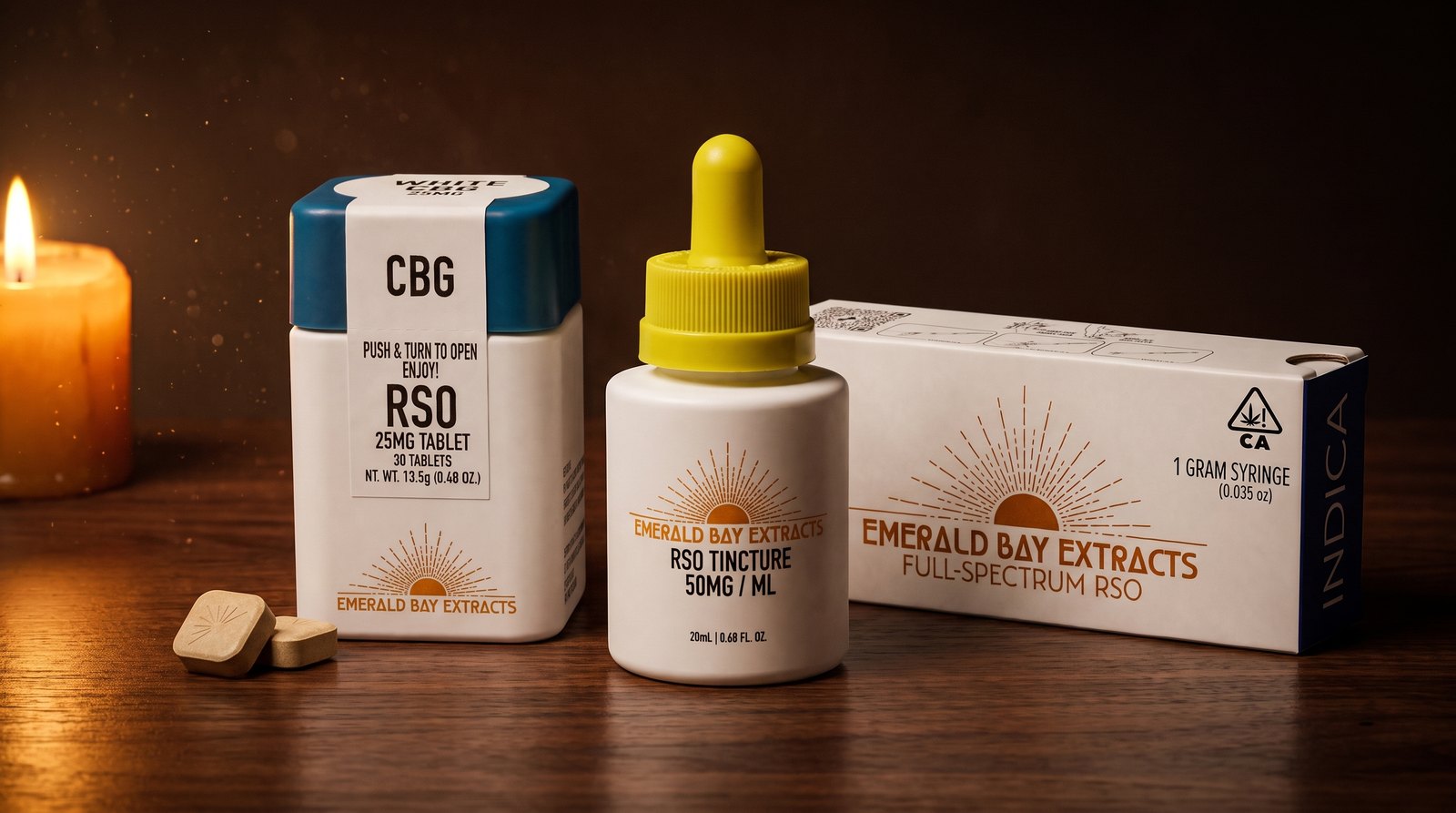
WIth its exceptionally high cannabinoid content, RSO is typically used by medical cannabis patients and individuals seeking therapeutic relief. It’s a popular cannabis extract commonly used for managing chronic pain, inflammation, and other serious conditions. RSO is designed to capture the full spectrum of compounds in cannabis, including cannabinoids, terpenes, and flavonoids.
One of the major things that sets RSO apart from other extracts is its high terpene content, which plays a huge role in its potency and efficacy. The extraction process used to make RSO is designed specifically to retain the highest concentration of natural terpenes, cannabinoids, and flavonoids. The result is a final product that contains a stronger flavor and stronger effects than other concentrates.
Terpene preservation in RSO significantly contributes to its overall effectiveness, enhancing the extract’s potential therapeutic benefits by contributing to the entourage effect. The high terpene concentration in RSO is said to amplify the effects of THC, CBD, and other cannabinoids, which in turn increases the beneficial effects of the terpenes. This makes RSO particularly attractive to individuals interested in powerful relief from more serious medical conditions.
Patients using RSO for pain relief, for example, might find the anti-inflammatory and analgesic properties of caryophyllene enhances its efficacy in managing chronic pain. RSO that’s high in linalool may offer increased effectiveness for anxiety relief and promoting relaxation. The synergistic relationship between the high terpenes and cannabinoid concentration in RSO allows consumers to experience the full potential of a particular cannabis strain, ultimately providing a more holistic and powerful therapeutic option than other cannabis products.
Personalizing Cannabis Use With Terpenes
You can easily personalize your cannabis use by considering the terpene profile of various strains, which can enhance your experience and support specific therapeutic goals. When selecting strains or products, focus on terpenes that align with your desired effects, such as myrcene for relaxing or limonene for increasing energy and uplifting your mood.
Understanding these profiles allows for a more fine-tuned experience, however, finding the best combination for your unique needs will likely involve some trial and error. Experiment with different strains, noting how each one affects you, which can help you pinpoint the best terpene profile for your needs and enhance your overall experience.
Last Thoughts
Terpenes play a major role in the potential therapeutic benefits of cannabis, enhancing its effects through their unique properties and synergy with cannabinoids and other beneficial cannabis compounds. When choosing cannabis products, it's essential to consider terpene content to better support your desired goals.
As research continues to uncover the benefits of these aromatic compounds, exploring different terpene profiles can offer a more personalized and effective experience. Increased recognition of terpenes as a key component in medical cannabis is an exciting development in cannabis research, offering new possibilities for a personalized approach to supporting well-being with cannabis.