Most people are familiar with CBD, but there’s another cannabinoid with a similar name that’s been gaining increased attention in the cannabis industry: CBDA, or cannabidiolic acid. Without it, CBD wouldn’t exist. What is CBDA, though? It’s the acidic precursor to CBD found in raw cannabis, and research has discovered CBDA contains its own unique potential therapeutic benefits. Here, we’ll explore CBDA, including what it is, how it works, its therapeutic, and why it’s becoming increasingly popular in the legal cannabis space.
What is CBDA?
CBDA is a cannabinoid acid present in the flowers and leaves of mature raw cannabis plants, first discovered in 1965 by the late renowned cannabis researcher and scientist Raphael Mechoalum, commonly referred to as “The Father of Cannabis Research.” It was the first identified and isolated cannabinoid acid in cannabis. Like other cannabinoids, CBDA develops in cannabis trichomes. When cannabis flowers start to mature, CBDA is synthesized from CBGA (cannabigerolic acid), commonly referred to as the "mother of all cannabinoids,” as it's responsible for the acidic forms of CBD, THC, and CBC. It plays a key role in the cannabis plant development and is most abundant in the buds and leaves during early stages of growth. Research shows the highest concentrations of CBDA peak at different times depending on the chemotype, but maximum CBDA levels are common around week nine of the flowering phase (165 days), then begin to decrease as the plant matures. Like CBD, CBDA is predominantly found in hemp varieties and certain cannabis cultivars created to contain higher concentrations of CBD, including strains like Cannatonic, Harlequin, and Ringo’s Gift. When CBDA is exposed to heat, in a process known as decarboxylation, it converts to CBD.
Decarboxylation: Transforming CBDA into CBD
Decarboxylation is a process that converts cannabinoid acids into active cannabinoids like CBD, THC, CBC, and others. Technically, decarboxylation is a chemical response to heat exposure that causes a carboxyl group to be removed from a particular molecule. A carboxyl group is a functional group in a molecule containing a carbon atom double-bonded to an oxygen atom and single-bonded to a hydroxyl group, or one oxygen atom bonded to one hydrogen atom. It’s this combination of molecules that gives cannabinoids their acidic properties. The most common method of decarbing cannabis is exposing mature, harvested flowers to heat, such as when cannabis flower is smoked, vaped, or baked. Research shows CBDA converts to CBD when exposed to temperatures above 245° F. Solvents or cofactor metal ions can also be used to create a molecular change. Despite the process used, a chemical response occurs where the carboxyl group is removed, releasing carbon dioxide and activating various cannabinoids. In CBDA the carboxyl group is the “A” or acid, and once it goes through the process of decarboxylation, you’re left with CBD. Both CBDA and CBD are non-psychoactive. CBDA is simply in a raw state, while CBD is in an activated state. Ultimately, however, this changes the way each interacts with the body. Both influence the endocannabinoid system (ECS) and other pathways throughout the body, but the unique molecular structure of CBDA causes a different reaction in the body.
How CBDA Interacts with the Body
CBD works indirectly with the body’s ECS as a “reuptake inhibitor,” which limits the reabsorption of the body’s endocannabinoids, which ultimately prolongs their lifecycle to promote natural homeostasis and well-being. CBDA has more of an influence on serotonin receptors and various enzymes outside of the ECS that cause different effects in the body.. In a 2021 study, CBDA displayed a higher binding affinity to 5HT1A serotonin receptors than CBD. Another study demonstrated CBDA’s efficacy as a COX-2 inhibitor, which is suggested to play a large role in its anti-inflammatory potential. This may also influence ECS function, as studies show COX-2 inhibitors increase endocannabinoid signaling. There’s also research to support that CBDA contains a higher bioavailability than CBD, which means more of the raw compound reaches the bloodstream faster to produce an active effect. In the study, researchers found that after consumption, CBDA concentrations were double those of CBD levels in the body.
What are the Potential Benefits of CBDA?
There’s research to support that while CBDA and CBD do contain some similar effects, including powerful anti-inflammatory and anxiolytic properties, CBDA may offer unique benefits CBD doesn’t and vice-versa. CBDA shows to respond with various receptors and enzymes outside of the ECS that cause different effects in the body. Its potential influence on the ECS is associated with its relationship with COX-2 enzymes, as studies show COX-2 inhibitors increase endocannabinoid signaling. While more clinical research is needed to determine the medical potential of CBDA, there are a handful of studies that suggest CBDA may contain the following potential therapeutic benefits:
MRSA Resistance
In a February 2022 study, researchers discovered both CBDA and CBGA may block entry to inhibit and prevent infection in human cells from the SARS-CoV-2 virus that causes COVID-19. In attempts to discover natural ligands (molecules that attach to the spike protein that allows the virus to enter human cells) to block the spike protein through a screening of botanical extracts, they found CBDA, CBGA, and THCA-A had the strongest binding affinity to the spike protein. According to study authors, “Our results clearly indicate that CBDA and CBGA are both able to block cell entry by SARS-CoV-2…and it remains possible that multiple cannabinoids in complex mixtures from plant extracts could act independently to inhibit SARS-CoV-2, potentially leading to enhanced effectiveness when compared to individual compounds.”
Nausea and Vomiting Support
There are two research studies that highlight CBDA may be particularly effective for supporting nausea and gastrointestinal issues. In a 2013 study, researchers found low doses of CBDA reduced nausea in animal models and enhanced the anti-nausea effects of ondansetron, a prescription medication used to treat nausea and vomiting caused by cancer, chemotherapy, and radiation. The same study also discovered CBDA is a thousand times more powerful than CBD. This may be linked to CBDA’s strong binding affinity to the 5HT3A serotonin receptor, which plays a powerful role in reducing nausea and vomiting. Another study conducted the same year found CBDA is more powerful than CBD in preventing vomiting and nausea in animal models, as well as enhancing 5HT1A serotonin receptors. Authors concluded that “CBDA shows promise as a treatment for nausea and vomiting, including anticipatory nausea,” a conditioned response that causes nausea before a planned event.
Inflammation Support
CBDA’s anti-inflammatory potential was the primary focus for increased research. In a 2008 study, CBDA was found to inhibit an enzyme known as COX-2, which plays a fundamental role in the body’s inflammatory response. Researchers found CBDA’s unique carboxylic acid group structure key in its ability to successfully inhibit COX-2. They cited that evidence they discovered in the study suggests that “naturally occurring CBDA in cannabis is a selective inhibitor for COX-2,” meaning it may offer a natural alternative to non-steroidal anti-inflammatory drugs (NSAIDS) like ibuprofen and aspirin.
Anxiety Relief
The potential to relieve anxiety is an area where CBDA and CBD overlap, however, CBDA could be even more effective for managing symptoms of anxiety than CBD. Stress and anxiety are some of the top reasons people take CBD, and there’s a large body of evidence to support CBD’s anxiolytic potential. CBD’s effects on anxiety are largely associated with its influence on CB1 receptors, 5HT1A serotonin receptors, and TRPV1 receptors. Remember, though, that CBDA has a more powerful influence on both 5HT1A and 5HT3A serotonin receptors than CBD. While research into CBDA’s anxiolytic potential is sparse, its ability to inhibit COX-2 is linked to the possibility that it may ease anxiety more effectively than CBD.
Possible Breast Cancer Cell Reduction
In a 2014 Japanese study, researchers highlighted that metastasis is responsible for close to 90% of deaths related to breast cancer. CBDA’s efficacy in inhibiting COX-2 may help suppress breast cancer metastasis. Not only is COX-2 associated with the inflammation, but the enzyme is also found in 40% of invasive breast cancers. In the study, researchers performed a DNA analysis of human breast cancer cells with high levels of COX-2 that were treated with CBD for 48 hours. Not only did they discover that CBDA downregulated and inhibited the production of COX-2, but also suggested results indicated that “CBDA may possess the ability to suppress genes that are positively involved in the metastasis of cancer cells.”
What Types of CBDA Products are Available?
While CBDA isn’t nearly as popular as CBD, it has gained increased attention in recent years as cannabis research evolves. Extracting CBDA from cannabis plants is done in a process similar to CBD extraction using CO2, solvents, etc, but preserving the delicate nature of CBDA during extraction can be challenging. Aside from limited research, this is a large reason there aren’t more CBDA products on the market.
CBDA Extraction
Keep in mind that when CBDA is exposed to heat, it converts to CBD. This makes temperature control imperative during the CBDA extraction process to prevent decarboxylation. Maintaining the integrity of CBDA is paramount to ensure its unique therapeutic properties remain intact, and it requires specialized techniques and equipment to ensure it’s successfully isolated. In 2019, Dr. Raphael Mecholaum found a way to synthesize CBDA to ensure its stability. Mechoulam and his team stabilized the cannabinoid acid with a methyl ester to create cannabidiolic acid methyl ester (HU-580). At the 2019 CannMed conference, Mecholaum, who headed the conference, expressed, “Today, we are excited to announce a breakthrough in cannabis research, where we have taken the unstable acid molecules of the cannabis plant and synthesized them to provide a stable, consistent basis for researching new therapies across a wide range of medical needs – from central nervous system disorders to inflammation and many more.”
CBDA Products
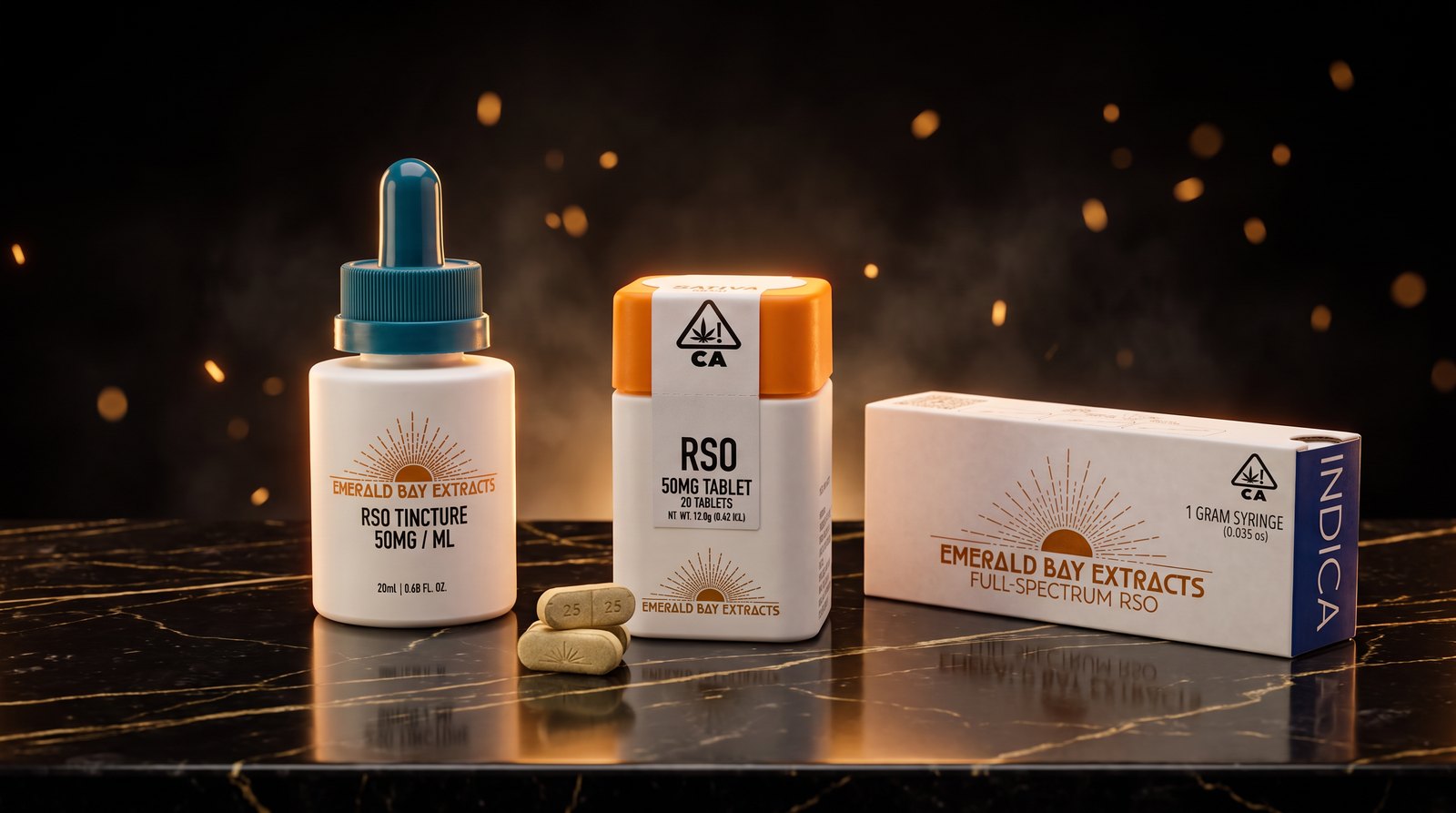
Today, there’s a modest collection of cannabis brands that carry CBDA products, including oils, tinctures, edibles, flower, and topicals. Like any cannabis product, choosing high-quality CBDA products is imperative. Because the cannabis industry is largely unregulated, the only way to guarantee you’re getting a high-quality product is by choosing products that have been tested for potency and potential contaminants by a third-party lab. Other things to ensure CBDA products are quality include purchasing products from transparent brands that offer information about their cultivation practices, extraction techniques, and third-party lab test results. It’s also recommended to read customer reviews, both on the brand website and online subreddit forums or cannabis brand/product reviews. Because there’s limited CBDA research, any potential risks and side effects associated with the cannabinoid acid aren’t fully understood. That said, it is structurally similar to CBD, which is generally well-tolerated, and causes minor side effects in some individuals,including dry mouth, drowsiness, fatigue, reduced appetite, and diarrhea. When taking any cannabis product for the first time, it’s always advised to start with low doses, then slowly increase this dose until you achieve the desired effects.
What Does the Future Hold for CBDA?
CBDA is already making a name for itself, and as cannabis research moves forward emerge, CBDA could become as well-regarded as CBD. In therapeutic settings, CBDA holds serious promise as an anti-inflammatory, anti-anxiety, and anti-nausea application, especially for individuals seeking holistic solutions. It also holds potential as an addition to supplements and natural products created to support balanced wellbeing. As cannabinoid-based treatments become increasingly available, CBDA could hold significant potential to reshape the landscape of cannabinoid therapy for years to come.
Final Thoughts
CBDA has gained increased recognition in recent years for its unique therapeutic potential. Its powerful anti-inflammatory, anti-nausea, and anti-anxiety offers promising benefits that set it apart from CBD. While more clinical studies are needed to fully understand its medical potential, growing interest in this raw cannabinoid may offer a bright future for CBDA in the legal cannabis space. As research continues to evolve, we can expect to see more CBDA products created for a wide-range of therapeutic applications.