Cannabis is one of the most chemically complex plant species, containing more than 500 chemical compounds, including 125 identified or isolated cannabinoids. The most well-known are THC and CBD, but without a cannabinoid known as cannabigerolic acid (CBGA), CBD and THC wouldn’t exist. Often referred to as the "mother of all cannabinoids," CBGA is essential for the formation of several cannabinoids, including CBD and THC. But what exactly is CBGA, and why is it so important? That’s exactly what you’ll learn in this article, exploring what CBGA is, how it differs from other cannabinoids, and why it’s a major player in the cannabis plant’s life cycle. With a better understanding of CBGA, you’ll gain increased insight into the foundation of the plant’s chemistry, as well as its potential benefits to determine if it might support your unique wellness needs or goals.
What is CBGA?
CBGA, or cannabigerolic acid, is one of the first cannabinoids produced in the cannabis plant, where it’s biosynthesized in trichomes on female cannabis flowers. While the way cannabinoids are produced in cannabis isn’t completely understood, research shows CBGA is created with an enzyme called TKS that helps combine certain molecules to create olivetolic acid (OLA). Another enzyme then helps turn OLA into CBGA. As the plant matures, CBGA synthesizes into other cannabinoid acids, including THCA, Cannabidiolic acid (CBDA), and Cannabichromenic acid (CBCA). This is why CBGA is often referred to as the "mother cannabinoid.” It’s the chemical foundation for other cannabinoid acids, which are eventually converted to CBD, THC, and CBC through a process known as decarboxylation. Without CBGA, these cannabinoids wouldn’t exist. The role CBGA plays in early plant development sets it apart from any other cannabinoid. It’s primarily found in young cannabis plants during the first few weeks of the plant's early flowering phase. As the plant matures, enzymes within the plant convert CBGA into other cannabinoids (specifically THCA, CBDA, and CBCA), and its concentration decreases as the plant matures. What makes CBGA so important is its ability to transform into different cannabinoids based on plant genetics. In a cultivar rich in THC, for example, CBGA will convert to THCA, which later becomes THC. In strains with a dominant CBD profile, CBGA converts instead to CBDA, which eventually forms CBD. CBGA’s conversion into these major cannabinoid acids is why it’s largely considered the foundational building block of cannabinoids.
What Are the Potential Health Benefits of CBGA?
While the therapeutic potential of well-known cannabinoids like CBD and THC tends to get the most mainstream attention, there’s research to support that other cannabinoids also contain promise for therapeutic use in clinical practice.
Potential Benefits of CBGA
While the majority of studies focus on activated CBG, there is some research highlighting the potential health benefits of CBGA, including anti-inflammatory, antioxidant, and neuroprotective properties. In a 2023 study, researchers highlight CBGA’s influence on what’s known as TRPM7 function is believed to play a role in the support of kidney disease, stroke, and cancer. While CBGA research is in its very early stages, the most promising evidence it contains is its influence on healthy kidney function. One recent study, for example, evaluated the effects of CBGA on kidney damage in acute kidney disease. Researchers found the cannabinoid acid protected the kidneys from potential damage of certain medications and suppressed the release of inflammatory cytokines. There’s also research to support that both CBGA and CBDA may prevent or treat SARS-CoV-2 and its variants that cause COVID-19. In a breakthrough 2022 study, researchers discovered the cannabinoid acids prevented SARS-CoV-2 entry and infection in human cells. They noted that while both CBGA and CBDA inhibit the virus at the point of entry, it's possible that multiple cannabinoids in full-spectrum extracts may offer enhanced effects compared to isolated cannabinoids. This highlights the potential of the widely accepted idea of the entourage effect, where cannabis compounds, including cannabinoids, terpenes, and flavonoids, work harmoniously together to provide a “better” effect than isolated compounds.
How CBGA Works
Like other cannabinoids, CBGA interacts with the body’s endocannabinoid system (ECS), but unlike THC, CBGA doesn’t bind directly to CB1 and CB2 receptors CB1 and CB2. Instead, it influences the ECS indirectly through its relationship with transient receptor potential (TRP) channels, which studies support play a role in cannabinoid signaling. CBGA is shown to be the most potent cannabinoid for suppressing TRPM7 function, which research shows plays a vital role in the regulation of cell proliferation, survival, and migration. It also helps maintain communication between cells and their tissue microenvironment. TRPM7 dysregulation is shown to influence the development of diseases like cancer, ischemic stroke, and cardiovascular disease. It’s CBGA’s powerful influence on these important TRP channels (which indirectly supports ECS balance) that’s thought to be a key aspect of its therapeutic potential. These initial findings suggest that CBGA may contain a variety of therapeutic applications, however, further research is necessary to completely understand its potential benefits.

CBGA-Dominant Cannabis Strains
There are certain cannabis strains that contain higher concentrations of CBGA, typically young cannabis plants or strains bred specifically for high CBGA content. Following are a few strains cultivated to contain higher concentrations of CBGA, which typically are typically used in products that focus on the benefits of CBGA and trace amounts of other cannabinoids.
White CBG
White CBG is a sativa-dominant hybrid grown by Oregon CBD that’s derived from early-growth cannabis flowers with CBGA concentrations that can reach up to 20%. It contains uplifting, energizing effects, while relaxing the mind and increasing focus and concentration. Consumers often report White CBG helps ease symptoms of anxiety and depression, fights fatigue, increases cognitive function, and soothes digestive issues.
White Widow
White Widow is one of the most famous cannabis strains in the world, with a notable CBGA concentration ranging from 1-15% and moderate THC levels (around 15%), making it an ideal choice for consumers who prefer less potent psychoactivity. This mostly-balanced hybrid (60% indica/40% sativa) is noted for inducing powerful euphoria and energizing effects. Medical cannabis patients often turn to White Widow to alleviate anxiety, depression, and pain.
White Whale
White Whale is an indica-dominant cannabis strain with CBGA levels that can reach up to 14% and THC concentrations ranging from 18-24%. It’s one of several strains breeders have been experimenting with, crossing strain The White with others to create a cultivar rich in CBG. This genetic cross of The White x OG Kush is said to relax the body and mind while boosting energy and increasing focus, concentration, creativity. It’s often used to help relieve stress, anxiety, and depression.
How is CBGA Extracted?
The process of extracting CBGA from cannabis is similar to extraction techniques used for other cannabinoids. It typically starts with harvesting young cannabis plants when CBGA levels are at their peak, then undergoes an extraction process using various solvents such as ethanol or CO2. This isolates CBGA before it converts to other cannabinoids, which can be challenging because of its instability, meaning timing and meticulous extraction is crucial. Compared to extracting CBD or THC, which are abundant in mature plants, extracting CBGA requires more precise harvesting and processing to ensure maximum concentrations before conversion occurs. Specialized cultivation and extraction methods are often needed to preserve CBGA’s integrity.
CBGA vs. CBG
CBGA and CBG are closely related but differ in one key way: CBGA is the acidic form and CBG is the decarboxylated form of CBGA. In a process known as decarboxylation, when cannabinoid acids are exposed to heat or light, they lose their acidic component to become the activated cannabinoids most consumers are familiar with. CBGA is the precursor to CBG, while CBG is typically the "final" form found in cannabis products. It’s believed that while CBGA may contain the same potential benefits of CBG, they may have different effects on the body and mind. CBGA is suggested to contain unique properties in its raw form, making it a promising beneficial compound before fully converting to CBG.
CBGA Cannabis Products
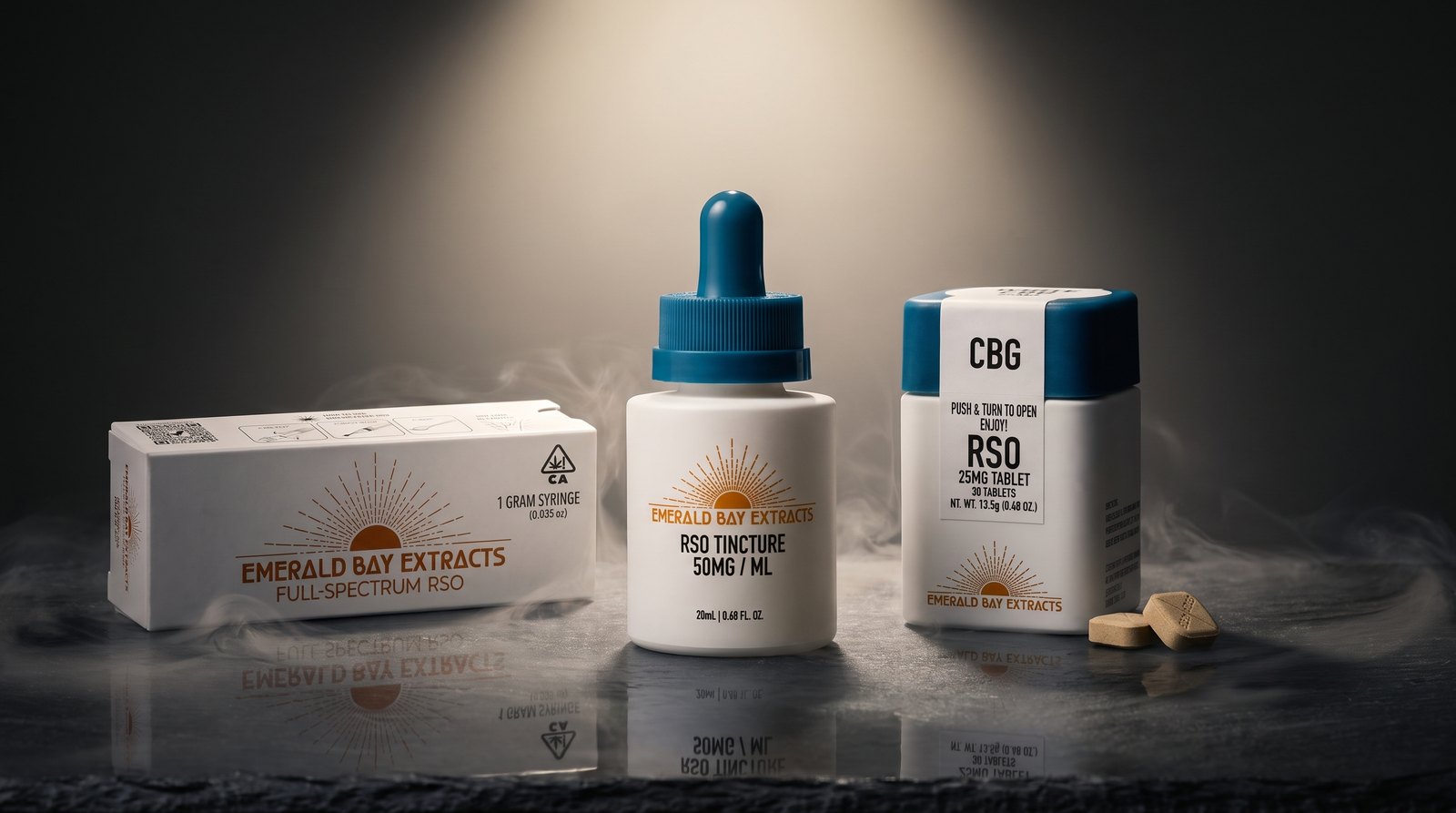
As interest in CBGA grows, so does the range of products containing this cannabinoid. While not as widely available as CBG products, there are a handful of CBGA products on the market, including tinctures, oils, tablets, CBGA hemp flower, and infused topicals. - CBGA tinctures and oils are designed to be taken sublingually (under the tongue) for fast absorption. - Tablets offer a convenient, precisely measured dose for consumers who prefer the familiarity and ease of taking a regular supplement. - Raw CBGA flower, which can be smoked or vaporized, offers a more traditional consumption method. Keep in mind that when CBGA flower is ignited, it initiates the decarboxylation process and converts to CBG. - CBGA-infused topicals are applied directly to the skin, allowing the cannabinoid to interact with localized areas for potential relief.
How to Ensure You’re Consuming High-Quality CBGA
When purchasing CBGA products, it’s imperative to make sure they’re safe and of the highest quality. Always look for products that have been third-party tested, meaning an independent lab has verified cannabinoid content and ensured they’re free from potentially harmful contaminants like pesticides or heavy metals. Make sure to read product labels and review customer feedback, which can help confirm the quality of cannabis products.
Are There Potential Side Effects or Risks of Using CBGA?
Like other cannabinoids, CBGA is generally considered safe, but potential side effects may arise. Some consumers could experience mild abdominal discomfort or fatigue. Because research on CBGA is still in its infancy, it's important to start with low doses to see how your body responds. Before taking CBGA, it’s recommended to speak with a healthcare professional, especially if you’re using any other medications or have pre-existing health conditions.
Last Thoughts
CBGA may not be as well-known as cannabinoids like CBD or THC, but it plays one of the most important roles in cannabis. As the precursor to cannabinoids like CBG, THC, CBD, and CBC, CBGA plays a foundational role in cannabis chemistry. While it might be less familiar to consumers, interest in CBGA is growing, and research continues to explore its unique potential. The future of CBGA in the cannabis industry looks promising. As more studies emerge, CBGA could become a key player in holistic wellness and traditional medical settings. As the demand for natural healthcare products increases, CBGA-infused supplements and products could very well see a significant rise in popularity. As we learn more about this powerful cannabinoid acid, the role it plays in cannabis and knowledge of its science-backed benefits is likely to expand.