Is cannabis different after 55? It's a question more people are asking, often after decades without it, or after a doctor's visit that ended with another prescription. Adults over 65 are now one of the fastest-growing groups of cannabis users in the U.S.: past-year use rose by about 75% between 2015 and 2018, and past-month use has kept climbing since.
Cannabis can affect older adults more strongly than younger ones. Bodies process THC more slowly with age, many people take medications that can interact with cannabinoids, and dizziness raises the risk of falls. If you're 55 or older and curious, the safest approach is to talk to your doctor first, start with a very low dose, choose oral products with a clear milligram count, and wait at least two hours before taking more.
The rest of this guide explains why age changes the equation, what the research says about older adults specifically, and the practical questions worth asking before you start.
Why older adults are trying cannabis
Most older adults who use cannabis say they're using it for a health reason. In a survey of adults 60 and older in Colorado, 45% had used cannabis in the past year, most often for arthritis, chronic back pain, anxiety and depression, and users generally reported positive effects on pain and quality of life. The interest is understandable. Chronic pain and poor sleep become more common with age, and many people would like to take fewer pills, not more.
What the research can and can't tell you is more limited. Most clinical cannabis trials have included few participants over 65, so much of what we know about this age group comes from observational studies and from general pharmacology.
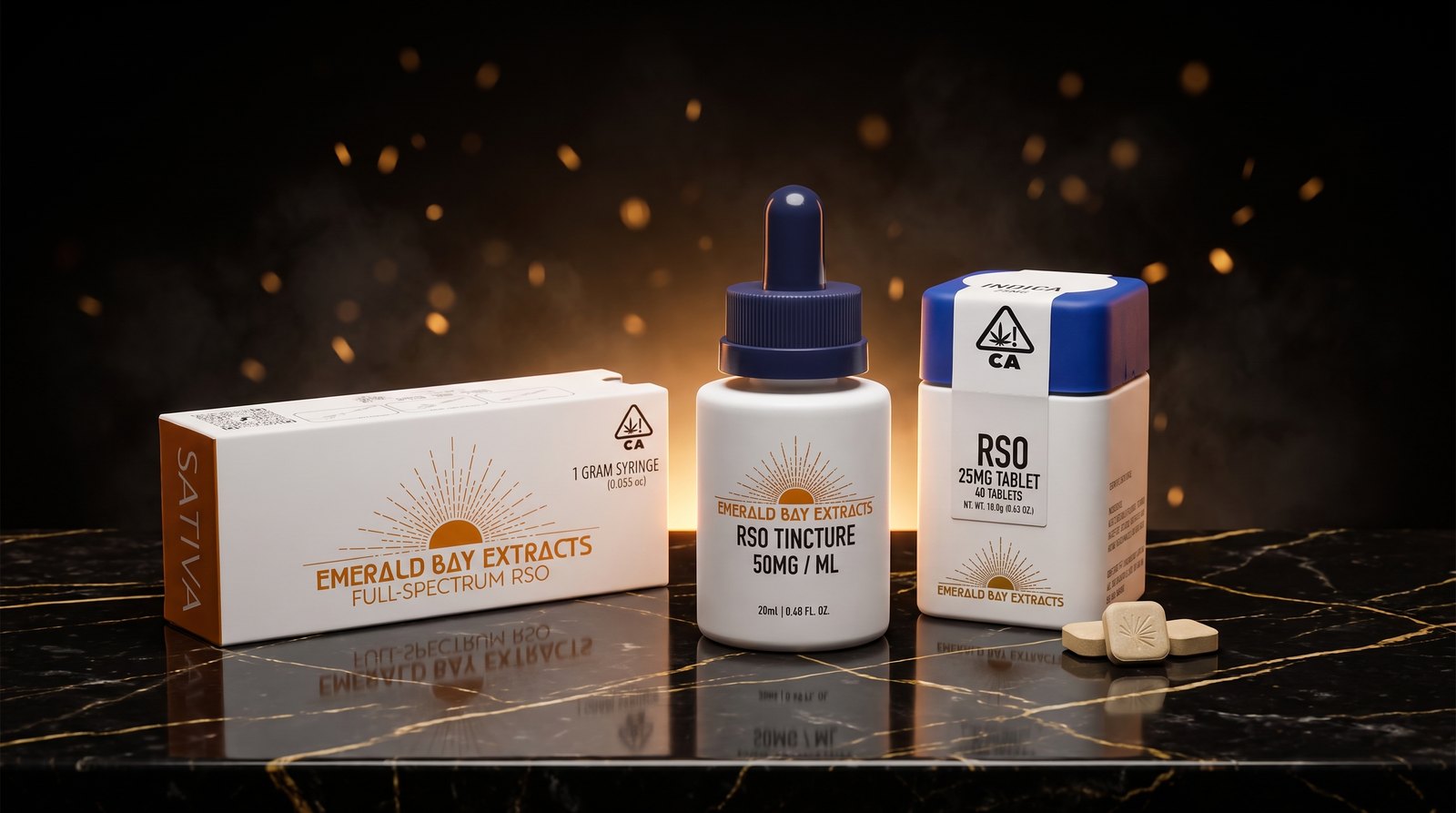
How age changes the way your body handles cannabis
A few normal parts of aging change how cannabis feels:
- Slower metabolism. THC is broken down in the liver, and liver blood flow and enzyme activity tend to decline with age. The same dose can last longer and feel stronger than it would have at 30.
- More body fat, less body water. Cannabinoids are fat-soluble, so they can linger longer in the body as body composition changes.
- A more sensitive brain. Older adults are generally more sensitive to anything that affects attention, balance and memory, and THC does all three.
- Different products than you remember. THC levels in today's legal products are often far higher than the cannabis many people tried decades ago.
A clinical perspective on cannabis use in older adults in the Harvard Review of Psychiatry describes exactly this combination: rising use, limited age-specific evidence, and greater vulnerability to side effects.
Falls, dizziness and blood pressure
Falls are one of the most serious health risks after 65, and cannabis can add to them. THC can cause dizziness and slow reaction time, and it can lower blood pressure when you stand up quickly. In a pilot study of older cannabis users, participants rated their own fall risk as low even when balance testing showed otherwise.
Emergency visits tell a similar story. In California, cannabis-related emergency department visits among adults 65 and older rose sharply between 2005 and 2019. Many of those visits likely involved people who took more than they intended, often with edibles whose delayed onset led them to redose too soon.
Practical steps help: take a first dose at home in the evening, when you don't need to drive or go out; keep a light on and clear paths to the bathroom; and stand up slowly.
Medication interactions
Many adults over 55 take several prescriptions, and this is where cannabis needs the most care. THC and CBD are processed by the same liver enzymes (the cytochrome P450 family) as a long list of common medicines. A systematic review of drug interactions with cannabis found clinically relevant interactions with drugs including the blood thinner warfarin, and cannabis can add to the drowsiness caused by sleep aids, opioids, some antidepressants and anti-anxiety medicines.
Bring your full medication list, including supplements, to your doctor or pharmacist before you start, and tell them which cannabinoids and doses you're considering.
What the evidence shows in older adults
The age-specific data are encouraging in places but limited. In a prospective study of medical cannabis patients 65 and older in Israel, most reported improvement in pain and quality of life after six months and many reduced other medications. Dizziness and dry mouth were the most common side effects. The study had no control group, and people who stopped early weren't fully followed, so it can't show how much of that improvement came from cannabis itself.
That's a fair summary of the field: some older adults report meaningful benefit, side effects are common but usually mild at low doses, and well-designed trials in this age group are still scarce.
Choosing a format and starting low
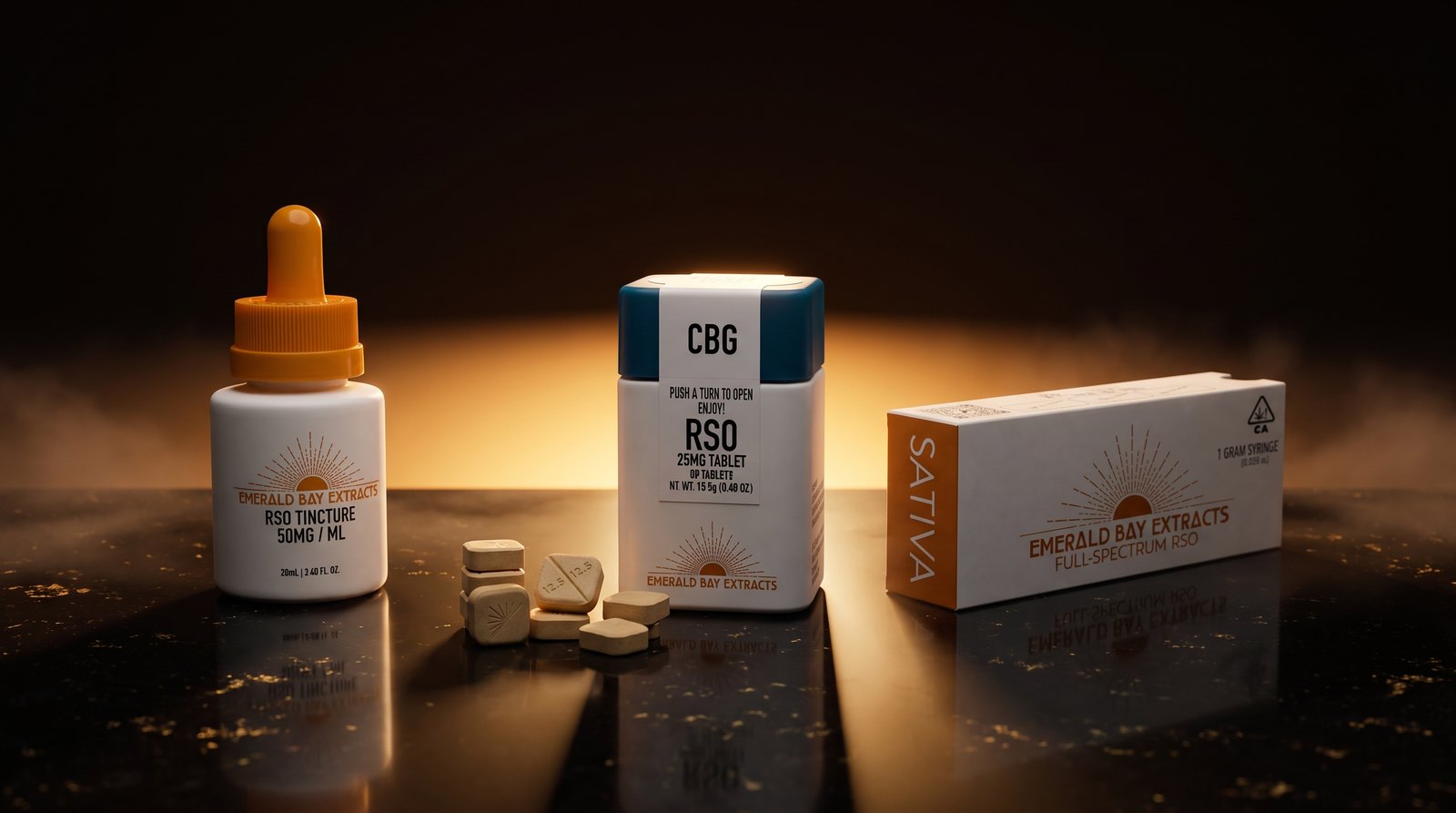
If you and your doctor decide cannabis is worth trying, the format matters. Oral products such as tablets avoid smoke and give a measured amount per dose, which makes it easier to stay consistent and to know exactly what you took. The trade-off is timing: oral cannabis typically takes 30 minutes to 2 hours to kick in, and effects can last six hours or more. Our guide to how long RSO takes to kick in explains why.
The oldest advice in cannabis is the most important here: start low and go slow. A very small first dose, often a fraction of a standard edible, is a sensible starting point to discuss with your clinician. Wait at least two hours before considering more, and don't redose the same day while you're learning how you respond. Products that contain CBD or CBG alongside THC may feel gentler for some people. Emerald Bay's tablets are scored so they can be split into halves or quarters, and each one lists its cannabinoid content, which can make a small, consistent starting dose easier.
This article is educational and doesn't provide medical or dosing advice. Cannabinoid research in older adults is still emerging, findings vary, and individual responses differ widely. Cannabis laws differ by location, age restrictions apply (21+), and cannabinoids can interact with other medications. If you're considering cannabis for a medical condition — especially if you take other medications, have heart disease, or have had falls — please discuss it with a healthcare provider who knows your full history.
Frequently asked questions
Is cannabis safe for seniors?
Many older adults use cannabis without serious problems, but it isn't risk-free. Age-related changes in metabolism, medication interactions and fall risk make side effects more likely, so a conversation with your doctor and a very low starting dose matter more after 55.
What's a good starting dose of THC for older adults?
There isn't a single right dose, and this isn't something to set without your clinician. In general, older adults are advised to start lower than the typical edible serving and increase slowly, waiting at least two hours between doses with oral products.
Can cannabis interact with blood pressure or blood thinner medications?
Yes. THC can lower blood pressure, especially when standing, and cannabinoids can affect how the liver processes drugs like warfarin. Ask your doctor or pharmacist to review your medications before you try cannabis.
Will cannabis help me sleep or manage pain?
Some older adults report better sleep and less pain, and early studies support that for some people. The evidence isn't strong enough to predict who will benefit, and cannabis isn't a replacement for treatment of the underlying cause.
The bigger picture
Coming to cannabis later in life can be a thoughtful choice, not a reckless one, as long as it's made with the same care you'd give any new medication. The questions are the same ones a good nurse would ask: what are you hoping it will help, what else are you taking, and how will you know if it's working? Answer those first, start small, and let your own experience, not someone else's, guide what comes next.