While flower remains the top choice with cannabis consumers, cannabis extracts are quickly becoming one of the most popular products with both new and novice users. The potency, unique effects, distinct characteristics, and diverse applications of extracts and concentrates sets them apart from other cannabis products as the modern cannabis market continues to evolve. Here, we’ll take a deeper look at the difference between live resin, RSO, and distillate, exploring their potency, extraction methods, intended effects, and ideal uses.
RSO, Live Resin, and Cannabis Distillate: What’s the Difference?
The global cannabis concentrate market is rapidly expanding and projected to grow exponentially in the coming years. If you’re interested in using cannabis concentrates, it’s essential to understand the differences between them. Whether you consume cannabis recreationally, medically, or both, RSO, live resin, and cannabis distillate each offer a unique experience. Keep reading for a detailed look at each of these popular extracts, where we break down their differences based on composition, potency, extraction methods, intended effects, and best uses.
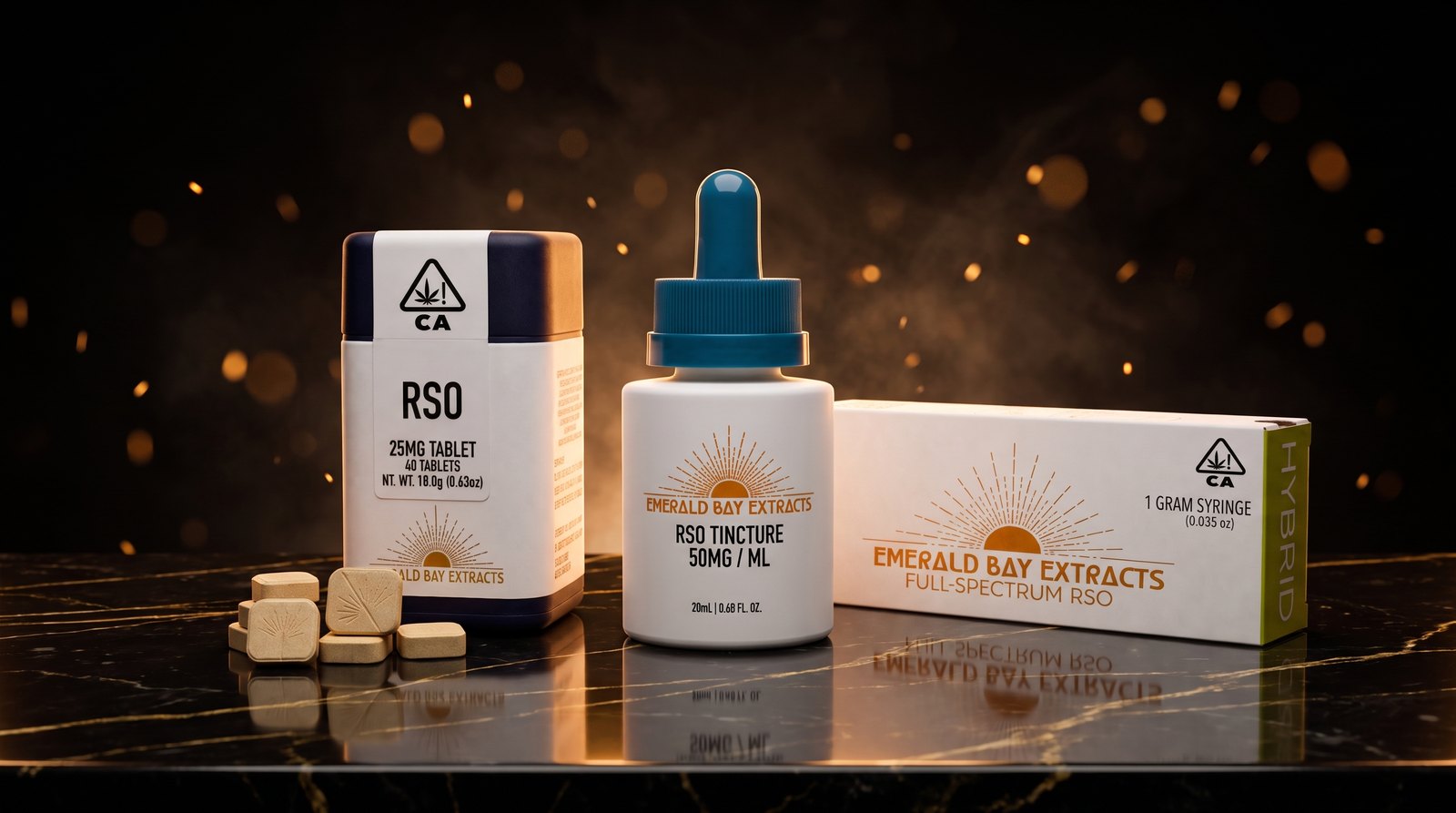
RSO
With its rich concentration of cannabinoids, terpenes, flavonoids, and other beneficial plant compounds, RSO is one of the best medical extracts on the market and prized for its full spectrum nature. Unlike the other extracts we are discussing, RSO aims to capture the strain as it is in cured flower form and turn it into an orally consumable extract without additional processing. This dark, thick, viscous oil was originally created for its therapeutic potential and is most popular with medical cannabis patients, especially those with chronic medical conditions (cancer, HIV/AIDS, chronic pain, Parkinson’s disease, etc) Comparatively both live resin and distillate use significant post processing methods to change the cannabinoid profile, taste profile, and the appearance of the extracts.
Extraction
RSO is produced using a solvent-extraction method, typically with high-proof alcohol, which extracts all the cannabinoids, terpenes, and other compounds from dry, cured cannabis flower. The extraction process takes place at a very specific ultra cold temperature to extract and isolate the most medically effective parts of the plant. After the plant material is soaked in alcohol, the cannabis is removed and then the RSO is separated from the alcohol. The RSO is then heated to convert from THCa to THC allowing for it to be orally consumed. The end product is a high potency oil often dark in color with a thick consistency. This type of extraction retains some plant material, which gives RSO its signature dark color and strong, earthy taste.
Best Uses
Best known for its potential medicinal properties, RSO is commonly used by individuals seeking relief from chronic conditions, such as pain, inflammation, and certain types of cancer. The high concentration of cannabinoids, terpenes, and other compounds in RSO lends greatly to the entourage effect, which may enhance its therapeutic potential. RSO can be ingested directly, added to foods, or applied topically, offering an array of versatile uses. Some find the convenience of RSO tablets or edibles that contain perfectly measured doses more beneficial for their personal needs.
Live Resin
Live resin is typically an extract that is consumed through dabbale products and vapes but it can also be incorporated into other cannabis products as well. Best known for its rich flavor profile that resembles that of the live cannabis plant. Live resin is unique in that the plant is frozen during harvest preserving the profiles of the living plant, ultimately offering a remarkable true-to-strain aroma and flavor. Compared to RSO, Live Resin can use significant post processing methods to tailor the flavor and appearance of the extract.
Extraction
Live resin is extracted from fresh cannabis plants that are flash-frozen directly after harvest. freshly harvested cannabis plants. Research shows that freezing plants like this in their “live” state (where the “live” in live resin comes from) prevents degradation of terpenes and cannabinoids, which preserves the plant's full aromatic and flavor profile and lends to live resin’s potent effects. After being flash-frozen, the plant material goes through an extraction process that uses volatile solvents, such as butane or propane, to extract cannabinoids, terpenes, flavonoids, and other beneficial compounds. This process makes live resin one of the most sought-after extracts for consumers looking for both potency and an authentic flavor in a smokeable experience.
Best Uses
Live resin’s high potency and rich terpene content offers a powerful experience with notable true-to-strain flavors and aromas, making it popular with cannabis connoisseurs who appreciate flavor, aroma, and powerful psychoactive effects. It’s a great option for anyone interested in a powerful experience with enhanced flavor. Live resin is typically dabbed, vaped, or can be used in edibles.
Distillate
Distillate is one of the most refined extracts on the market. Typically distillate is not strain specific and is created through the combination of lots of batches of cannabis. It is the goal when producing distillate to strip anything away that is not THC. This includes terpenes, flavonoids, plant material, and other parts of the cannabis plant that can be removed from the extract. The resulting extract is very high in THC potency but with very little taste or aroma. Depending on the product flavors such as strawberry, are reintroduced into the extract. These terpenes generally are derived from other non cannabis compounds. The stripping away of the full spectrum nature of the products leads the experience from distillate to be very consistent from one batch to the next making it a very different, low cost, choice compared to that of RSO or live resin.
Extraction
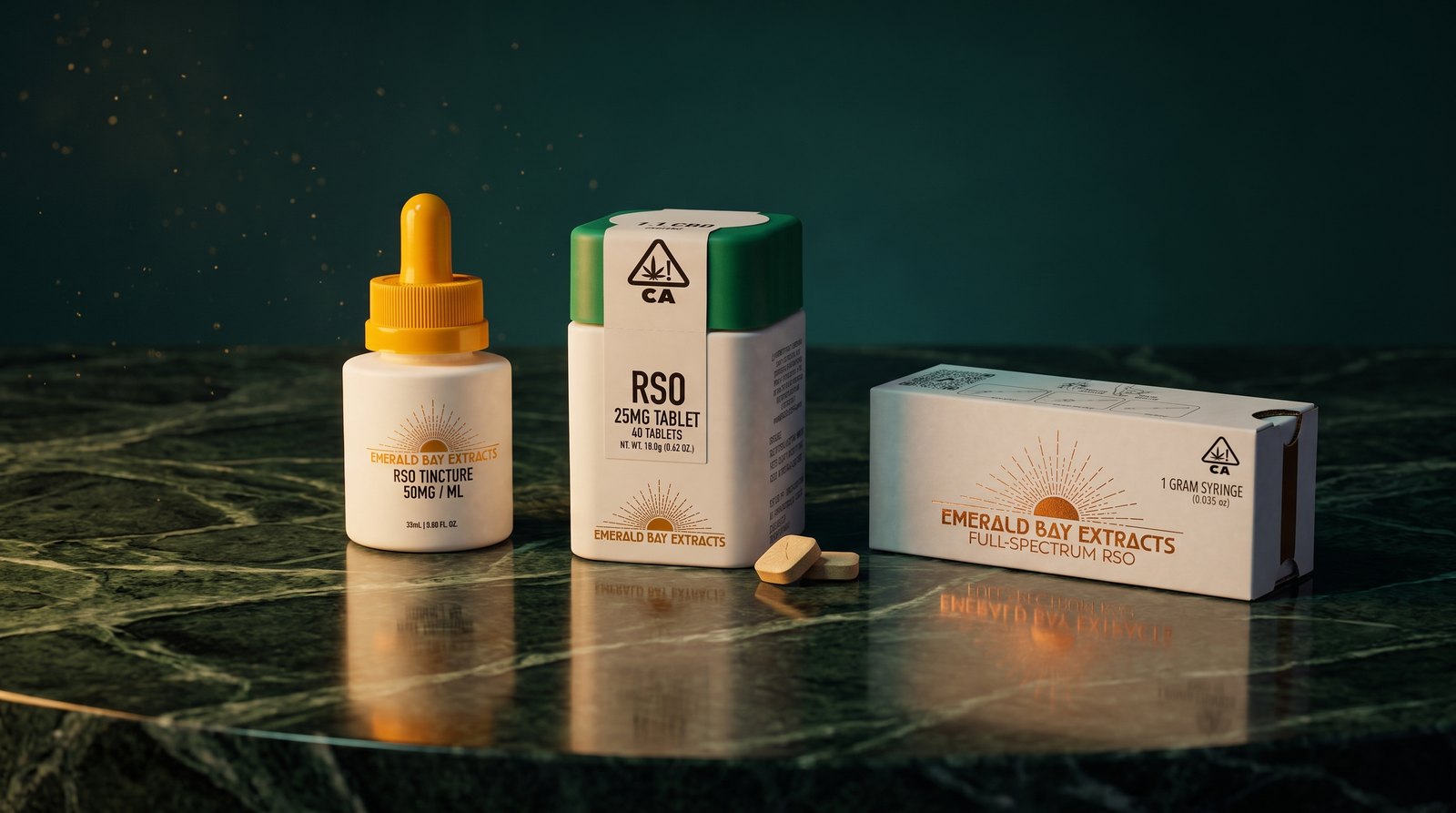
During the process of distillation, which involves heating cannabis oil under vacuum to evaporate specific compounds and then condensing them back into a liquid. This isolates the desired cannabinoid (usually THC or CBD), while pulling out other plant compounds, including terpenes, fats, waxes, and chlorophyll. The result is a highly-purified potent extract that contains high concentrations of the isolated cannabinoid.
Effects
The effects of cannabis distillate are said to be some of the least existing and medically beneficial due to its uniform nature. Distillates are typically higher in THC than RSO or live resin, but the effects can vary among users. Users with a high THC tolerance accustomed to consuming flower or full-spectrum concentrates might find the effects of distillate weaker, with research suggesting the entourage effect is why consumers experience a better effect overall with full-spectrum products.
Best Uses
Because distillate is about 90% pure THC or CBD, it’s highly versatile and available in a wide range of products, including vape cartridges, edibles, and tinctures. Its neutral taste and high potency are typically favored by consumers who want to enjoy the effects of THC or CBD without the strong flavor or aroma profiles common in other extracts.
Choosing the Best Extract for Your Personal Needs
When choosing between RSO, live resin, and cannabis distillate, it’s important to first consider why you’re interested in trying extracts. When approaching extracts based on your personal needs and the effects you desire, you’re more likely to choose the best for your unique needs. While finding the best product might involve some trial and error, going into it with an educated idea of various extracts can help you identify the ideal product and avoid unnecessary attempts. If you’re a medical cannabis consumer interested in a potent extract for potential relief from serious or chronic medical conditions, RSO might be the best possible option. RSO is most popular among individuals looking for powerful therapeutic effects, many of whom report its efficacy as a cancer treatment. That said, such reports are based on anecdotal evidence, as there’s scant research to support it. Recreational consumers with a high-tolerance might find RSO offers potent effects they can’t achieve with other cannabis products. For those who desire a potent and flavorful experience, live resin is the best choice. Live resin is one of the most popular concentrates for consumers who desire an extract that retains as much of the strain’s living cannabinoid and terpene profile as possible. Distillate is rarely the best option unless you prioritize price and potency and don’t mind a product that doesn’t contain other cannabinoids and terpenes. Because distillate eliminates the entourage effect and the full spectrum nature of the product it is primarily suited to the recreational market. In the end, the best cannabis extract for you all depends on what you want to experience. Your tolerance, desired effects, and reason for use all play a huge role. By determining your personal needs prior to purchasing a product, you help ensure you’ll choose an extract that meets your needs.
Final Thoughts
The world of cannabis is rapidly evolving and understanding the unique characteristics of extracts like RSO, live resin, and cannabis distillate is important for new and experienced users alike for making informed choices on the best products for their personal needs. Each of these popular extracts offers its own unique benefits, whether you’re interested in therapeutic relief or potent recreational effects. When you choose an extract with your specific needs and preferences in mind, you can confidently explore your options and get the most out of your experience.